
Last updated October 15, 2026
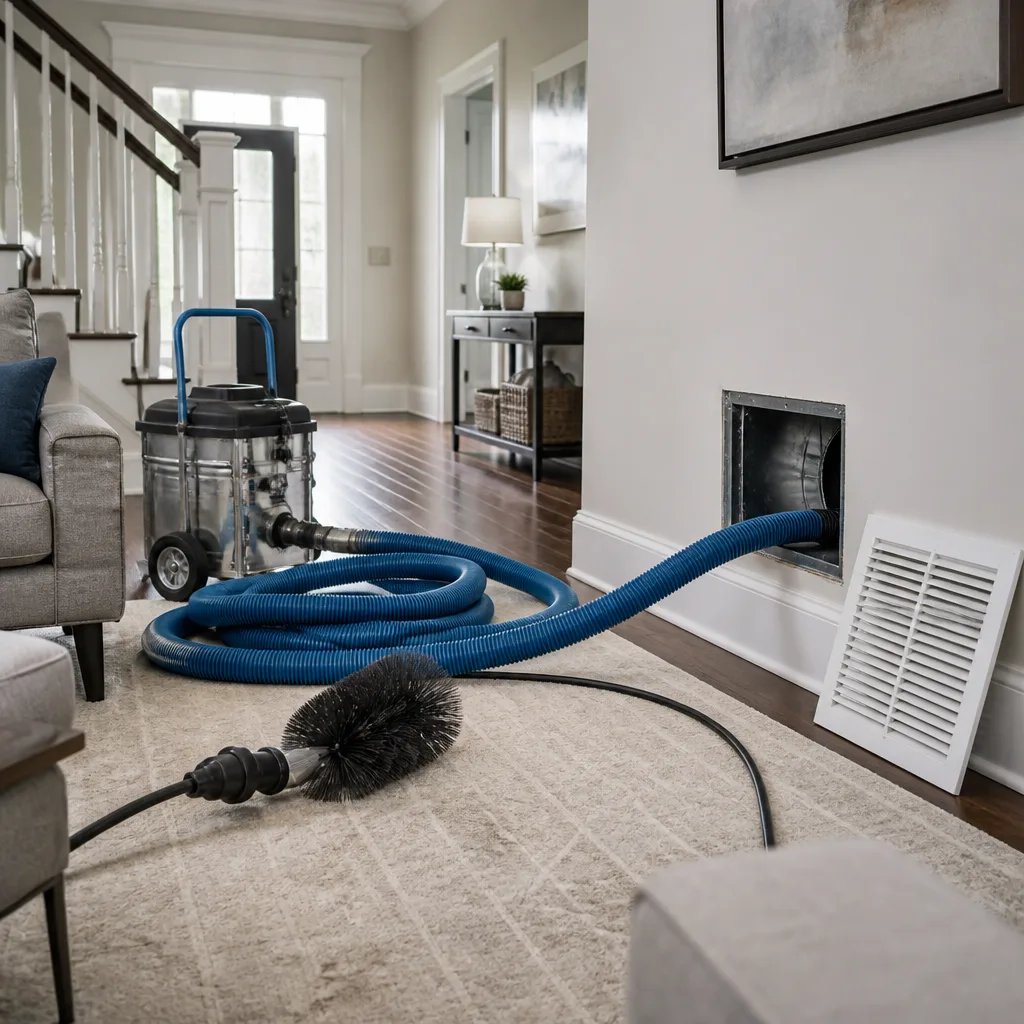 Whole-home duct cleaning
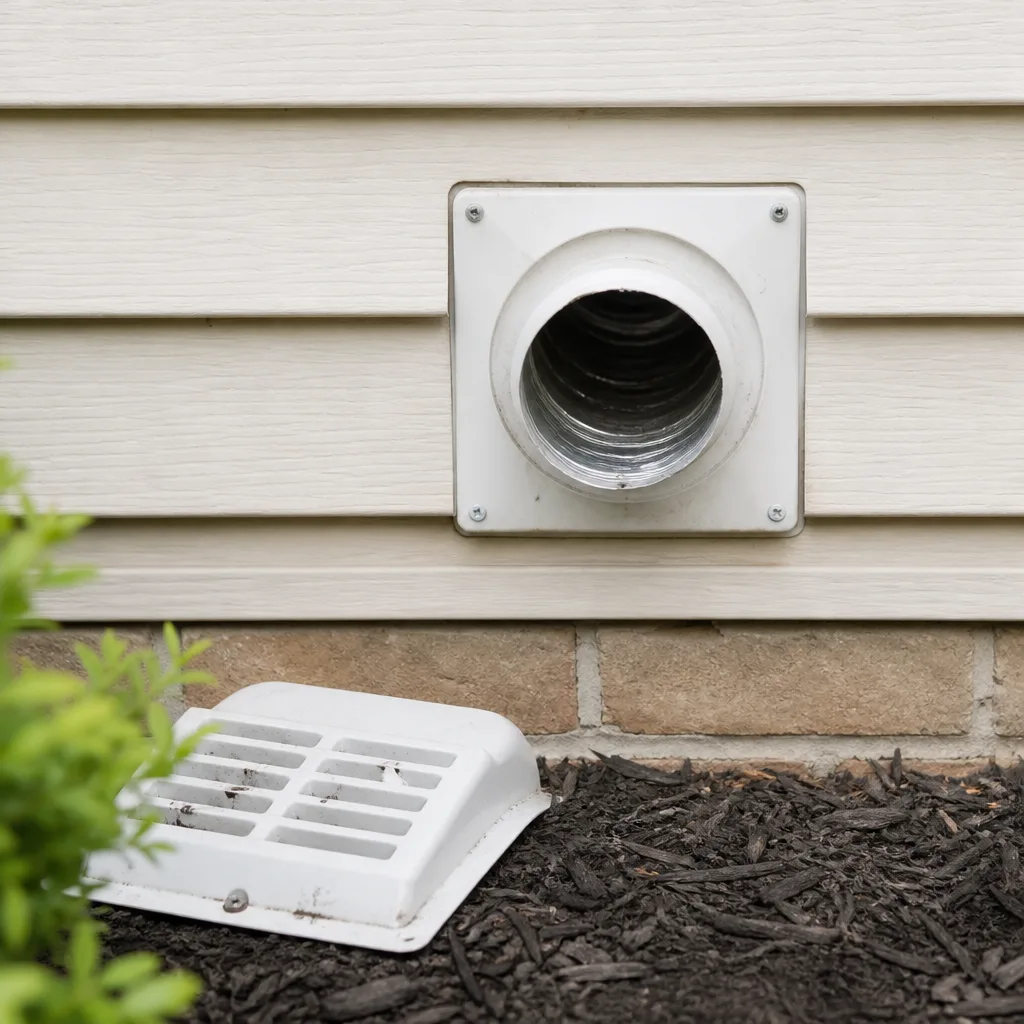 Dryer vent cleaning
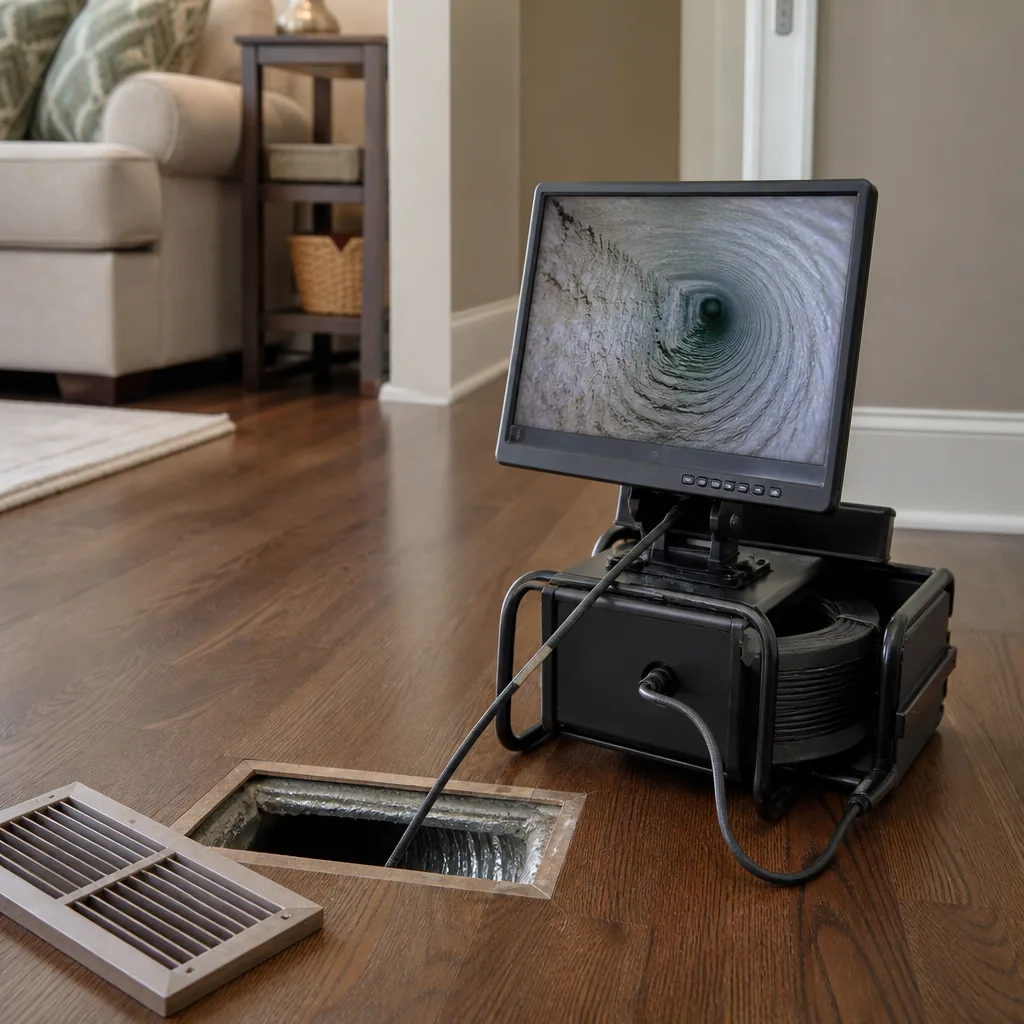 Camera inspection
 Sanitizing & deodorizing
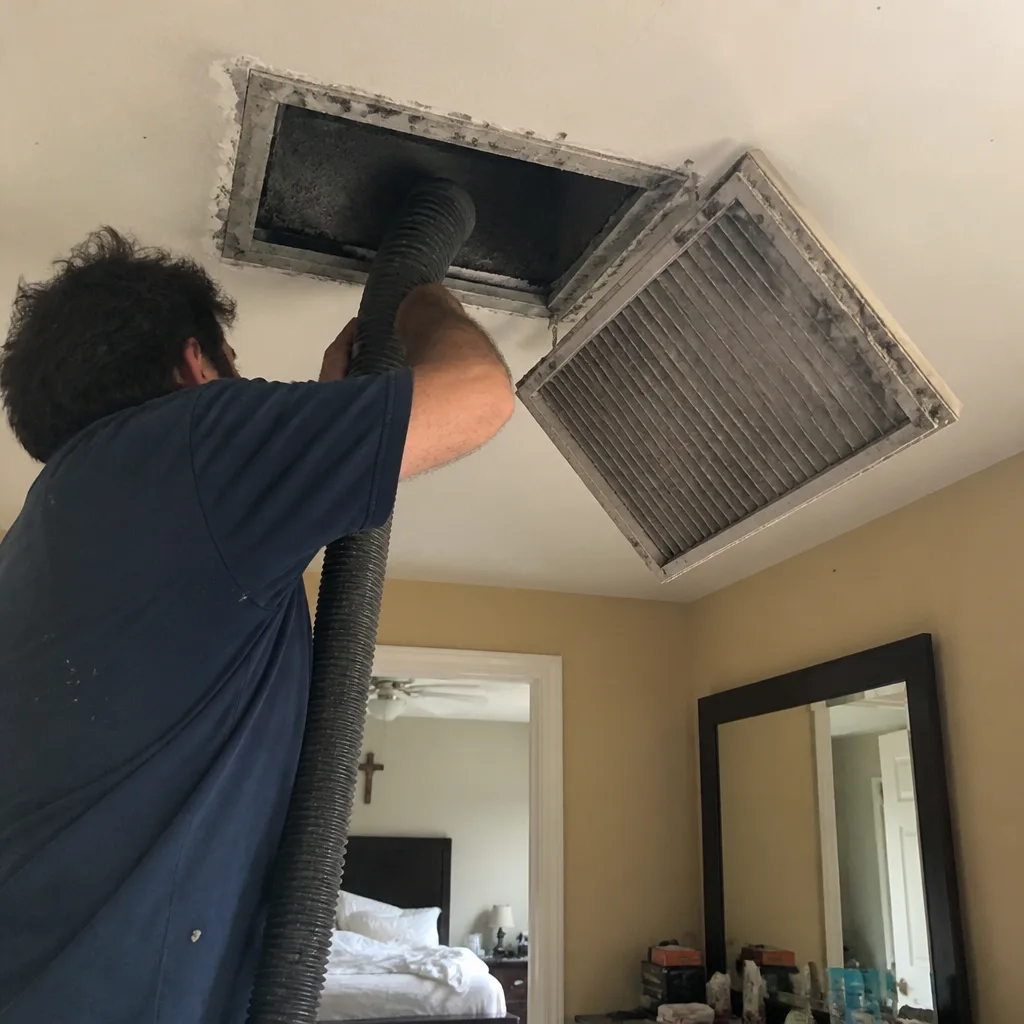
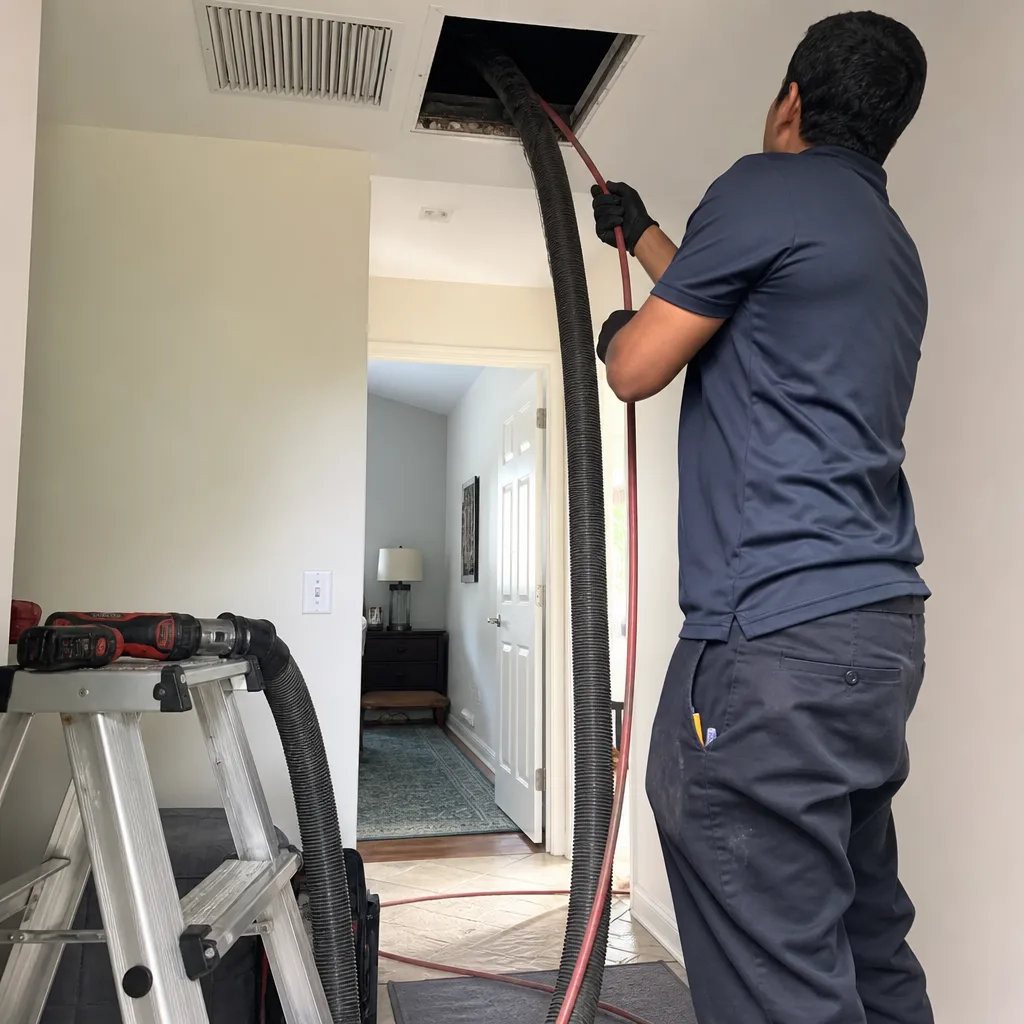
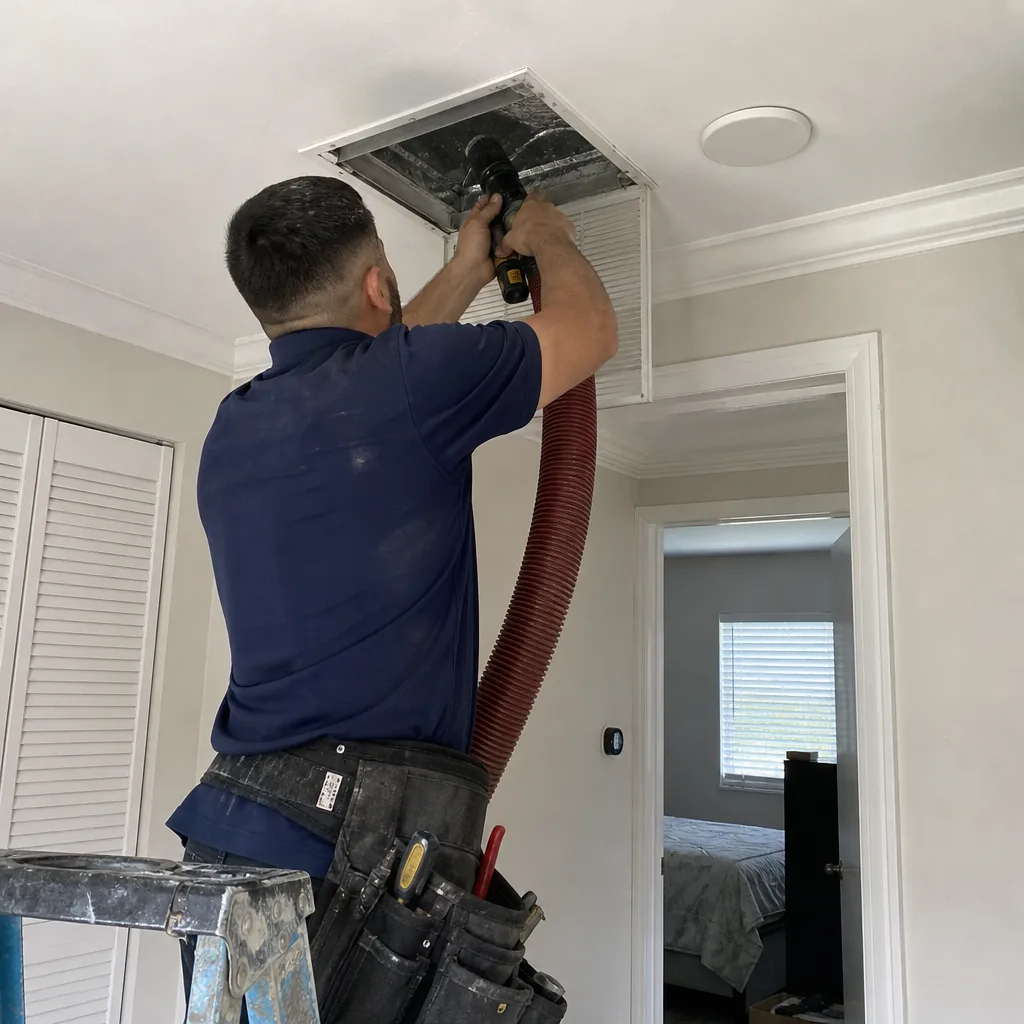
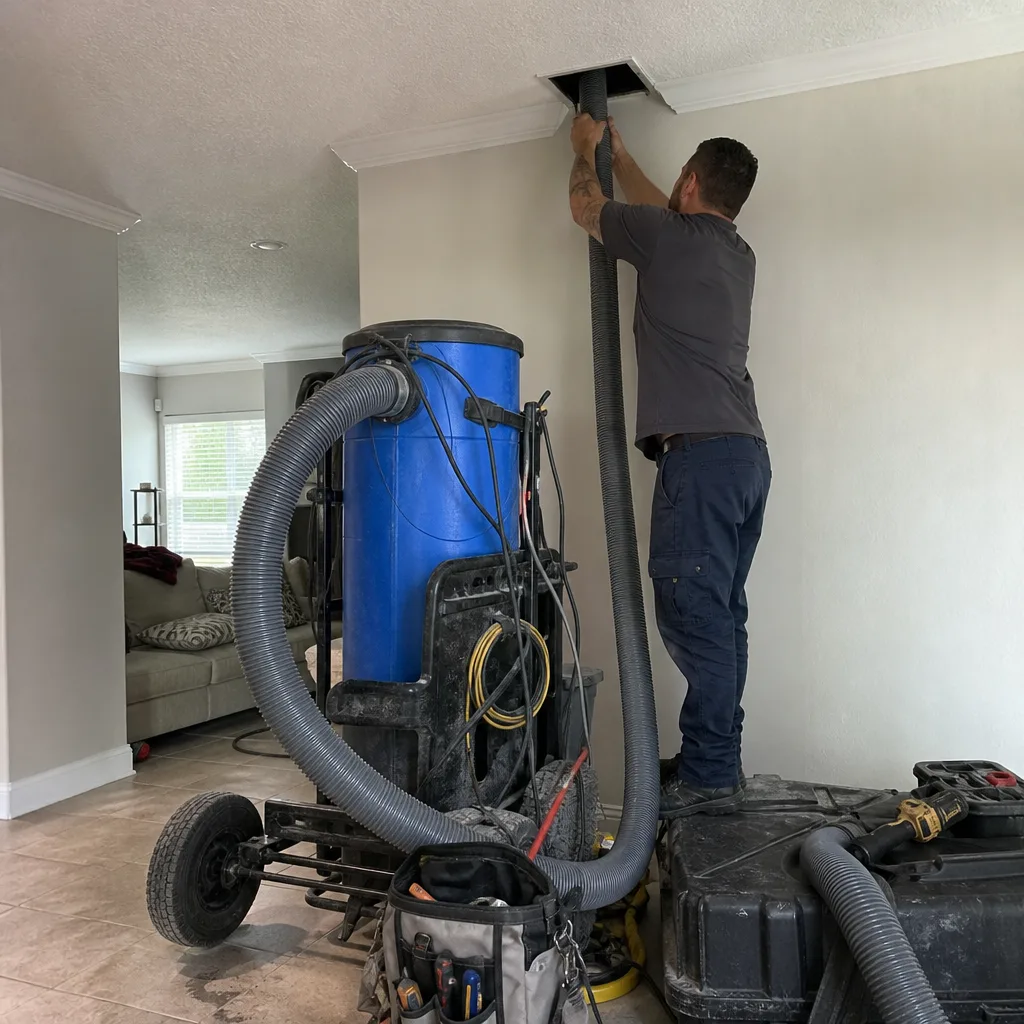
Whole-system duct and dryer vent check with before-and-after photos - you see exactly what came out of your vents
That "$99 whole-house special" is a bait ad - the real number appears once they are in your hallway, or the "clean" is a shop-vac at the register. We photograph the inside of your ducts before and after instead.
Air Duct Cleaning Permits, Codes & Inspections in FL: What You Need to Know
Most homeowners in Miami never think about permits when they schedule air duct cleaning. That’s exactly the problem. Under Florida Building Code Chapter 6, the line between “cleaning” and “mechanical work” is thinner than most people realize, and crossing it without the right permit creates a liability that can follow a property through resale, insurance claims, and title searches for years. This guide-along with our The Complete Guide to Air Duct Cleaning in Miami-explains exactly where that line sits, what Miami-Dade County adds on top of state code, and how to ask a contractor the right questions before anyone touches your ductwork.
Styles & brands we work with
Quick Answer
Routine air duct cleaning in Florida – removing dust, debris, and microbial growth from existing ducts without cutting, replacing, or modifying the system – does not require a mechanical permit under Florida Building Code. However, any work that involves replacing duct sections, reconnecting plenums, modifying air handler connections, or sealing ducts with mastic in a way that changes airflow design does trigger a mechanical permit, and Miami-Dade County has additional local amendments that tighten those requirements in high-velocity hurricane zones. When in doubt, the contractor should state in writing which portions of the proposed work require a permit and who is responsible for pulling it.
Table of Contents
- Cleaning vs. Mechanical Work: Where Florida Code Draws the Line
- Florida Building Code Chapter 6: What Actually Triggers a Permit
- Miami-Dade County Amendments: What Makes This Market Different
- Duct Sealing: The Term That Confuses Everyone
- How Unpermitted Duct Work Shows Up on Records – and Why It Matters
- Questions to Ask a Contractor Before Work Begins
- Common Mistakes to Avoid
- When to Call a Professional
- Frequently Asked Questions
- The Bottom Line
Cleaning vs. Mechanical Work: Where Florida Code Draws the Line
Here’s the core distinction that most people miss. Florida Building Code treats air duct cleaning as maintenance, not construction. When a technician runs a rotary brush system through existing ducts, uses a negative-air machine to collect debris, and applies antimicrobial fogging to interior surfaces, nothing about the building’s mechanical system has changed. The ducts are the same size, in the same location, connected the same way they were before. No permit is required for that.
What changes the picture is modification. If a duct section is rusted through and gets cut out and replaced, that’s mechanical work. If a plenum connection is loose and needs to be re-secured to the air handler, that’s mechanical work. If airflow balancing requires adding or removing dampers, that’s mechanical work. Each of those actions falls under the mechanical permit requirements of Chapter 6, and doing them without a permit creates an unpermitted-work record that can surface later.
In our experience working across air duct cleaning in Miami, we’ve seen homeowners who assumed a cleaning quote covered everything, only to discover after the job that a section of duct had been replaced during the visit and no permit was ever pulled. The work looked fine. The problem didn’t appear until years later during a home inspection.
Florida’s code is specific about this. Section 105.1 of the Florida Building Code, Building Volume, states that any work requiring a permit includes “mechanical work” as defined in Chapter 6, and Chapter 6 covers the installation, alteration, repair, and replacement of duct systems. Cleaning alone does not fall into any of those four categories. The moment you move from cleaning to alteration, you have crossed the line.
This matters for a practical reason: homeowners insurance policies in Florida increasingly include language about unpermitted mechanical modifications. If a claim involves HVAC systems or interior water damage traced to duct work, and the insurer discovers unpermitted modifications, coverage can be reduced or denied. That risk is entirely avoidable with a clear scope-of-work document before the job starts.
Florida Building Code Chapter 6: What Actually Triggers a Permit
Chapter 6 of the Florida Building Code, Mechanical Volume, governs duct systems, ventilation, and related mechanical components. It’s not light reading, but a few sections matter directly to homeowners considering duct work. Understanding these sections is the difference between a compliant job and a hidden liability.
Section 601 – Scope. This section establishes that mechanical systems, including ducts, must be installed and maintained in accordance with the code. Maintenance is explicitly distinguished from installation. Maintenance includes cleaning, filter replacement, and inspection. Installation includes new work, replacement, and significant repair.
Section 603 – Duct Construction and Installation. This is where the permit triggers live. Any new duct construction, any duct replacement, any reconnection of duct to an air handler or plenum must comply with this section. Compliance is demonstrated through a permit and inspection. The code references specific materials, gauges, sealing requirements, and support spacing.
Section 604 – Insulation. If duct replacement requires new insulation, that work falls under this section and typically requires a permit when combined with duct replacement. In Miami’s humid climate, insulation failures are common, and the temptation to “just fix it” without paperwork is strong. But the code doesn’t care about convenience.
Section 606 – Smoke Detection Systems Control. This is an often-overlooked section. If duct modifications affect the way air moves through a system that includes smoke detectors or fire dampers, the code requires verification that those safety systems still function correctly. That verification is typically part of the inspection process tied to the mechanical permit.
Here is a practical breakdown of common duct work items and whether they trigger a permit under Florida Building Code:
| Work Item | Permit Required? | Reason |
|---|---|---|
| Cleaning existing ducts (brush, negative-air, fogging) | No | Maintenance, not construction |
| Replacing a damaged duct section | Yes | Alteration under Section 603 |
| Reconnecting a loose plenum to an air handler | Yes | Alteration under Section 603 |
| Adding or repositioning dampers | Yes | Change to system design |
| Sealing duct joints with mastic (minor, in-place) | No* | Maintenance if no alteration occurs |
| Sealing duct joints with mastic (significant air balance change) | Yes | Alteration if airflow design changes |
| Adding a new return or supply run | Yes | New construction under Section 603 |
*The mastic distinction matters. Small, localized sealing of existing joints during a cleaning visit is generally considered maintenance. But if the contractor is rebalancing airflow by sealing off one branch to boost another, that’s a design change and it’s mechanical work. This is exactly the kind of scope creep that happens when a cleaning visit turns into a “repair” mid-job.
Miami-Dade County Amendments: What Makes This Market Different
Miami-Dade County operates under the Florida Building Code but adds its own layer of local amendments. These amendments exist because Miami is in a high-velocity hurricane zone, and duct work that fails during a storm can become a projectile or a water-intrusion point. The county has reasons for being strict.
The High-Velocity Hurricane Zone provisions in Miami-Dade require that mechanical systems, including ducts, be designed to withstand higher wind loads than most of Florida. That means duct supports, connections, and penetrations through exterior walls all have additional requirements. A duct replacement that would be simple in Jacksonville requires more fasteners, different strapping, and tighter inspection in Miami.
Miami-Dade also requires that any mechanical work involving duct systems in new construction or significant alteration pass a pressure test. The test verifies that the duct system holds air at the designed static pressure without excessive leakage. A system that fails the test must be sealed and retested before the permit closes. Cleaning-only work does not require this test, but any duct replacement or significant modification does.
For homeowners, the practical implication is clear: if a contractor in Miami replaces a duct section and does not pull a permit, that section was never pressure-tested, never inspected for hurricane-zone compliance, and never entered into county records as compliant. The homeowner has paid for work that the county considers unverified. If the same contractor had pulled the permit, the work would have been tested and documented. The difference is not bureaucratic; it’s structural.
We’ve worked in Miami long enough-see Air Duct Cleaning Warning Signs: A Miami Homeowner’s Reference Guide-to know which neighborhoods see the most duct issues: older homes in Coral Gables, Midtown, and parts of Little Havana often have original duct work from the 1960s and 1970s that has never been touched. Those systems are frequently at the point where cleaning alone cannot address the deterioration, and the conversation about permits becomes unavoidable. Homeowners who understand the code before that conversation goes better than homeowners who hear about it for the first time from a building inspector.
Our Hollis Air Duct Miami home team has always been direct with customers about this: we clean ducts. If during an inspection we find damage that requires replacement or structural sealing, we tell the homeowner that portion of the work needs a mechanical permit, and we do not perform it under the table. That’s not a marketing position. That’s how the trade should function under The Garrison Standard.
Duct Sealing: The Term That Confuses Everyone
Duct sealing is the most misunderstood term in the air duct trade. It means two completely different things depending on context, and the distinction matters for permits, pricing, and what actually happens to your system.
Duct sealing in a cleaning context. When a duct cleaning company says they “seal” ducts, they typically mean applying mastic or foil tape to visible joints and seams to stop small air leaks. This happens during the cleaning process, it’s localized, and it does not change the design of the system. No permit is required because the system remains fundamentally the same. The air still flows through the same ducts in the same way; it just leaks less at the joints.
Duct sealing in a mechanical context. When a mechanical contractor says they “seal” ducts, they may mean a full system sealing, which includes sealing joints, replacing damaged sections, correcting improper connections, and often rebalancing the airflow. This is alteration work under Florida Building Code Chapter 6 and requires a permit in most cases. The difference is scope: localized joint sealing is maintenance. System-wide sealing that changes airflow is construction.
Here is how to tell which scope your contractor is performing:
- Ask this exact question: “Is this sealing work localized to joints and seams, or are you changing how air moves through the system?”
- Listen for the word “rebalance.” If the contractor says they need to rebalance the system, they’re describing design changes. That’s mechanical work.
- Check the scope of work document. A written scope that says “seal accessible joints and seams” is cleaning-adjacent. A scope that says “seal system, replace damaged sections, and verify airflow at each register” is mechanical work.
- Ask who pulls the permit. A licensed mechanical contractor can pull permits. A cleaning-only company typically cannot, which is why asking the question often reveals the truth about the work being proposed.
We offer duct sealing in Miami as a defined service with a written scope. When sealing stays within the maintenance definition, we do it as part of the cleaning visit. When it crosses into mechanical work, we say so plainly and recommend a licensed mechanical contractor for that portion. That distinction protects the homeowner, and it’s how disciplined companies operate.
Equipment matters here too. Professional-grade negative-air machines from Nikro and rotary brush systems keep debris contained during cleaning, but they don’t change what the code considers the work. The permit determination is about what is done to the duct system, not what tools are used. A contractor with expensive equipment can still do unpermitted work, and a contractor with modest equipment can be perfectly compliant. The equipment tells you about cleaning quality; the scope of work and permit discussion tells you about compliance.
How Unpermitted Duct Work Shows Up on Records – and Why It Matters
Unpermitted work is not invisible. It shows up in specific ways, and each one creates a different kind of problem for the homeowner. Understanding these paths matters because the liability lasts long after the work is done.
Insurance claims. Florida homeowners insurance carriers have become aggressive about unpermitted mechanical work in recent years. If you file a claim for water damage, mold, or HVAC failure, and the adjuster finds evidence of duct modification that was never permitted, the carrier may classify the damage as related to unauthorized work and deny or reduce the claim. This is not a hypothetical. Miami homeowners have dealt with exactly this scenario, particularly after hurricanes when claims are high and adjusters look hard at every detail.
Title searches. Unpermitted work can appear on property records when a previous owner filed for a permit that was never closed, or when a complaint was filed, or when an inspection noted the work. Title companies review building department records, and open permits or noted violations must be resolved before closing. A homeowner who did unpermitted duct work years ago can find that it blocks the sale of the property, even if the work was done well.
Home inspections. Buyers’ inspectors in Miami are trained to look for evidence of recent mechanical work. New duct sections that don’t match the age of the rest of the system, fresh mastic that appears recent, and mismatched connectors all raise questions. An inspector who flags unpermitted duct work typically recommends that the seller obtain retroactive permits or provide documentation, and either path costs time and money.
Building department records. Miami-Dade County’s building department maintains permit records that are searchable by address. Anyone can look up whether a mechanical permit was pulled for work done at a property. A clean permit history is a selling point. A record showing duct replacement with no corresponding permit is a liability that becomes part of the property’s file.
The cost of pulling a mechanical permit for duct work in Miami-Dade is typically a few hundred dollars, depending on the scope. Compare that to the cost of resolving an unpermitted-work issue during a real estate transaction, which can run into the thousands and delay closing by weeks. The math is not complicated.
We routinely see duct systems in Miami homes that have had decades of piecemeal work: a section replaced here, a joint re-taped there, a return added somewhere. Without permits, none of that work is documented, and the homeowner inherits every shortcut a previous contractor took. That’s why dryer vent cleaning in Miami and duct work generally should always include a clear discussion of scope and permits before the job starts, not after.
Questions to Ask a Contractor Before Work Begins
The best protection against unpermitted work is a few direct questions asked before the appointment, in writing, with the answers noted. A disciplined contractor will answer without hesitation. A contractor who becomes vague or defensive is telling you something important.
Here are the questions we recommend:
- “Is any part of the work you’re proposing considered mechanical work under Florida Building Code Chapter 6?” The honest answer is either “No, it’s all cleaning and maintenance” or “Yes, and here’s specifically which portion.”
- “If any portion requires a permit, who is responsible for pulling it?” A licensed mechanical contractor can pull the permit. A cleaning-only company cannot. The answer tells you what kind of company you’re dealing with.
- “Will I receive a written scope of work that separates cleaning from any modification?” Get it in writing. Verbal scope conversations do not protect you later.
- “Are you licensed in Miami-Dade County for mechanical work, or are you a cleaning contractor?” This is not an insult. It’s a compliance question, and legitimate companies answer it directly.
- “If you find duct damage during the cleaning, what happens next?” The answer should be: we stop, show you the damage, and discuss options that may include a permitted repair by a licensed contractor. The wrong answer is: we’ll just fix it while we’re here.
A contractor who answers these questions cleanly and in writing is operating in good faith. A contractor who dodges, minimizes, or suggests that “everyone does it without permits” is telling you how they’ll handle the next job and every job after that.
In Miami, the permit conversation is not a formality. The county’s high-velocity hurricane zone requirements are real, the inspection process is real, and the consequences of skipping the process are documented and durable. A homeowner who asks the right questions before the job starts rarely has problems after it’s done.
Common Mistakes to Avoid
- Assuming every duct contractor can legally do every type of duct work. Cleaning companies and mechanical contractors are different animals. A cleaning-only company that offers to replace duct sections during a visit is almost certainly planning to do unpermitted work, because they typically cannot pull the permit.
- Skipping the written scope of work. In Miami, verbal agreements about what will and won’t be done often become disputes after the fact. A written scope that separates cleaning from modification protects you and forces the contractor to think clearly about what they’re actually doing.
- Confusing duct sealing maintenance with duct sealing alteration. Localized joint sealing is maintenance. System-wide sealing that changes airflow is mechanical work. If you don’t know which one your contractor is doing, you don’t know whether your job is legal.
- Treating the permit question as optional. It’s not. The permit existence, not the quality of the work, is what shows up on property records, insurance claims, and title searches. Skipping it saves a few hundred dollars now and costs thousands later.
- Hiring the cheapest quote without asking compliance questions. A contractor who is cheap because they skip permits is passing the liability to you. The savings are temporary; the liability is permanent until resolved.
- Doing nothing about old unpermitted work discovered later. If you learn that unpermitted duct work exists in your home, the worst option is to ignore it. A building department can often process retroactive permits, and the cost is usually less than the cost of dealing with it during a sale.
When to Call a Professional
You should call a professional when the scope of work is unclear, when the contractor’s answers to permit questions don’t satisfy you, or when you’re buying or selling a home and need to understand what duct work exists and whether it’s permitted. You should also call when you see evidence of old duct work that doesn’t look right: mismatched sections, visible mastic that appears recent, or signs that your system has been modified over the years without documentation. If you’re in Miami and want a straight answer about your ducts, Hollis Air Duct Miami offers our Air Duct Cleaning services with free estimates and will tell you plainly what’s cleaning, what’s repair, and what needs a permit. Call (850) 660-3272.
Frequently Asked Questions
No, routine air duct cleaning does not require a permit in Florida, as long as the work is limited to cleaning, debris removal, and localized joint sealing that doesn’t change the duct system’s design. If the job involves replacing duct sections, altering airflow, or reconnecting mechanical components, those portions require a mechanical permit. Call (850) 660-3272 to ask about your specific situation and get a straight answer before work begins.
Duct cleaning is maintenance: brushing, vacuuming, fogging, and minor joint sealing. Duct modification is construction: replacement, reconnection, damper changes, or significant airflow changes. The first requires no permit; the second requires a mechanical permit under Florida Building Code Chapter 6.
Localized duct joint sealing is permitted activity in the sense that no permit is required for maintenance-level sealing. System-wide sealing that changes airflow design, replaces sections, or modifies connections is mechanical work and does require a permit. Ask your contractor to specify which scope they are proposing, in writing.
Miami-Dade County requires duct work in high-velocity hurricane zones to meet stricter wind-load and support standards, and any permitted mechanical work involving duct modification must pass a pressure test. These requirements make permits more consequential in Miami than in most of Florida. Unpermitted duct work in Miami is also more likely to surface during building department record checks tied to sales and insurance.
The buyer’s inspector may flag it, the title company may find the absence of permits during record review, and the sale can be delayed or blocked until the issue is resolved. Resolution typically means obtaining retroactive permits or documenting that the work was maintenance rather than modification. Either path costs time and money that proper permits would have avoided.
Ask them in writing which portions of their proposed work require a permit under Florida Building Code Chapter 6 and who will pull the permit if one is needed. A compliant contractor answers directly and provides a written scope of work. A contractor who balks, blurs the distinction, or offers to do mechanical work without permits is one to avoid. Call (850) 660-3272 and we’ll walk you through the questions to ask any contractor.
The Bottom Line
Air duct cleaning in Florida does not require a permit. Duct replacement, system alteration, and significant sealing that changes airflow do. The distinction is defined by Florida Building Code Chapter 6 and tightened by Miami-Dade County’s hurricane-zone amendments. Homeowners who understand this line, demand a written scope of work, and ask the permit question before the job starts avoid a liability that can outlast the work by a decade. For more guides & resources, visit our blog. When the scope is unclear, get it clarified in writing. When the work is mechanical, insist on a permit. And when you want a straight answer in Miami, call Hollis Air Duct Miami at (850) 660-3272 for a free estimate and a plain explanation of what your ducts actually need.
Written by Roy Castellanos, Owner at Hollis Air Duct Miami, serving Miami since 2004.
See the difference
 Before
 After
After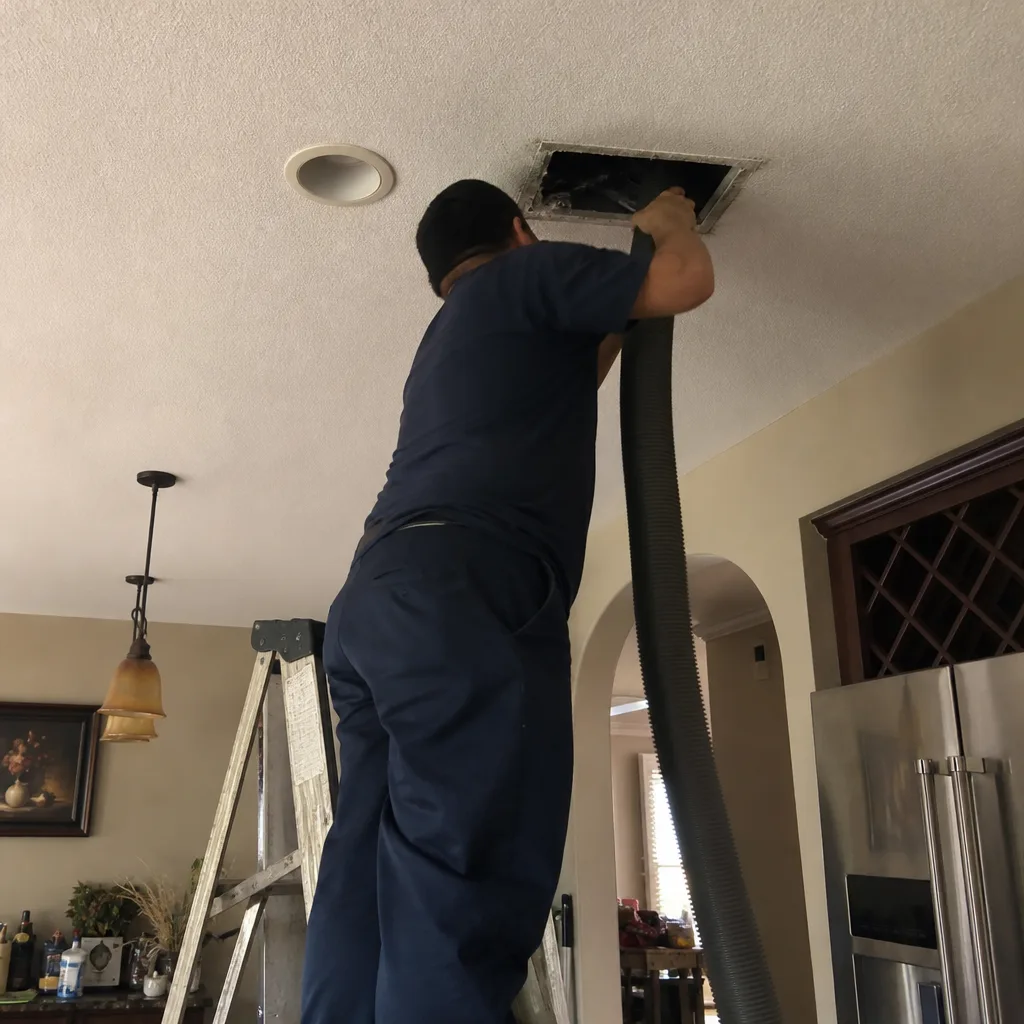 Before
 After
After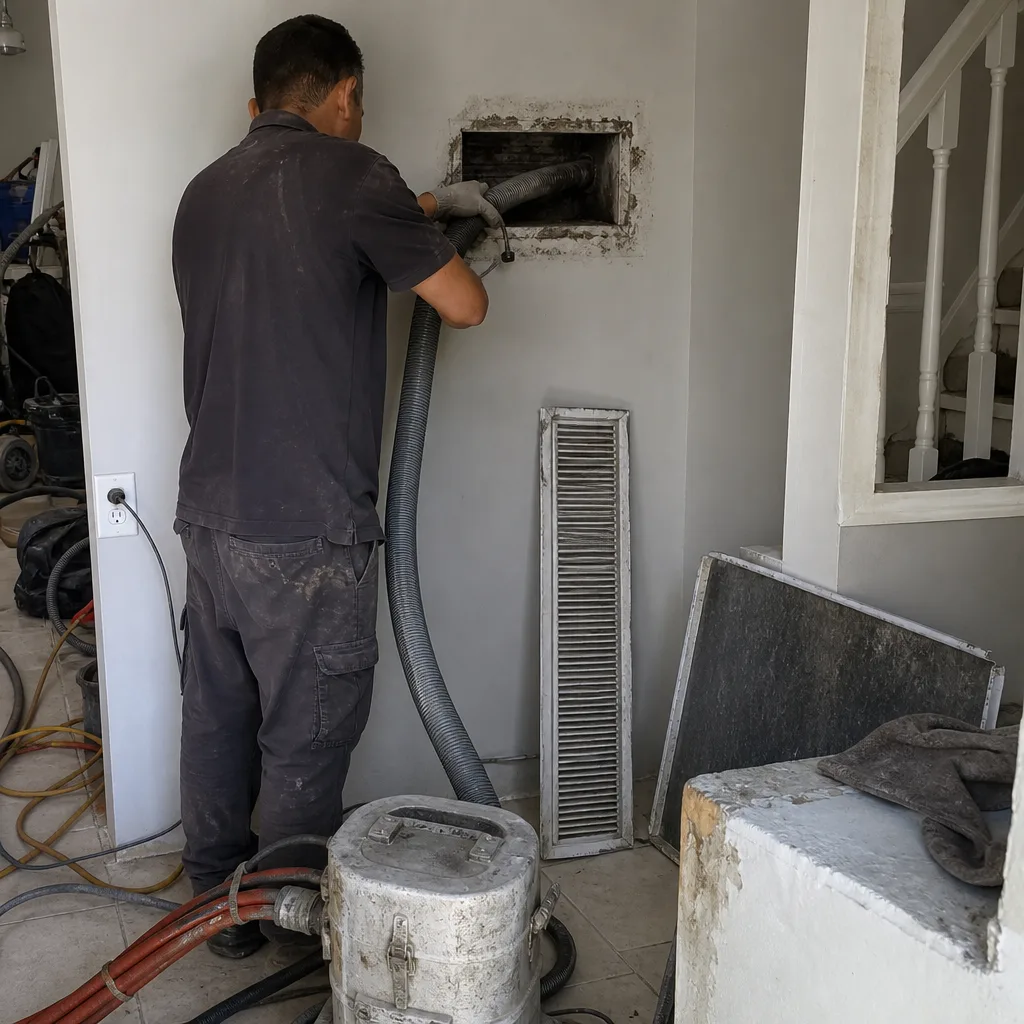 Before
 After
After