
Last updated October 15, 2026
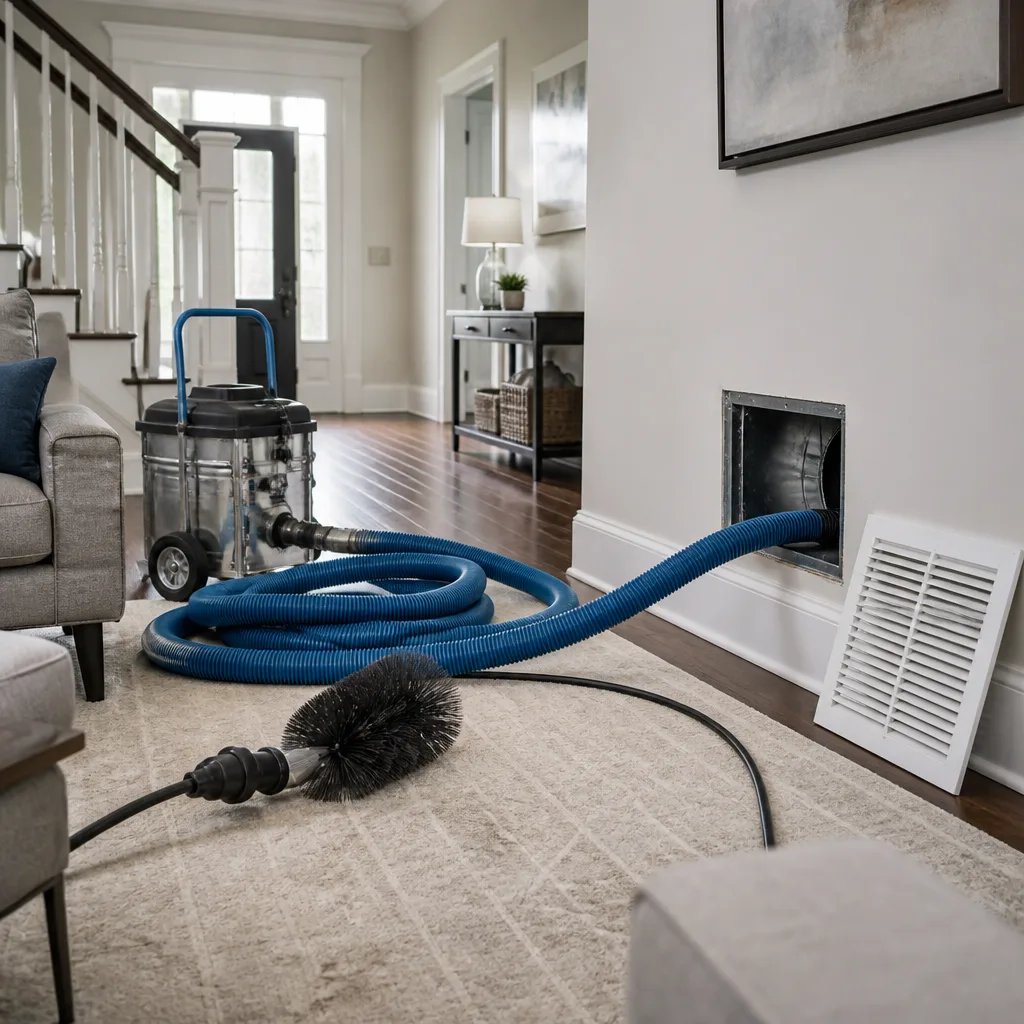 Whole-home duct cleaning
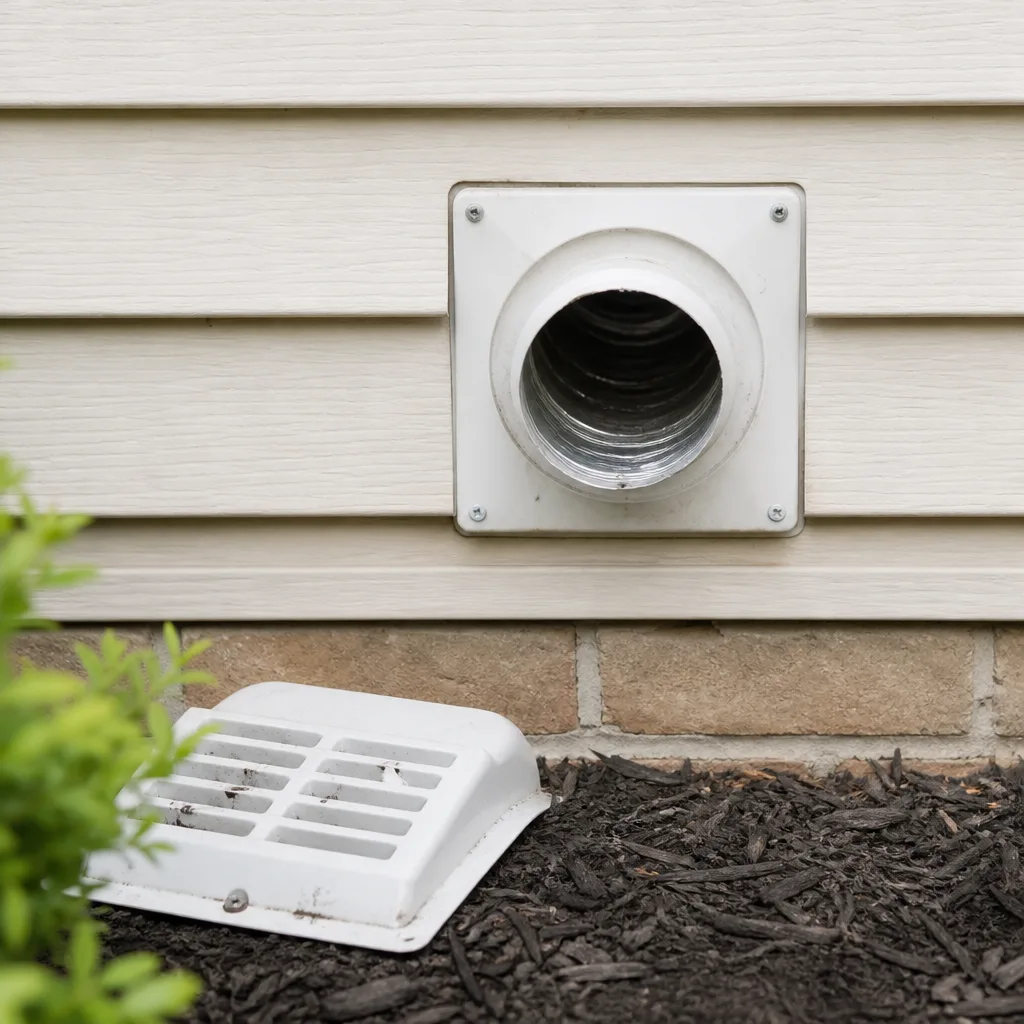 Dryer vent cleaning
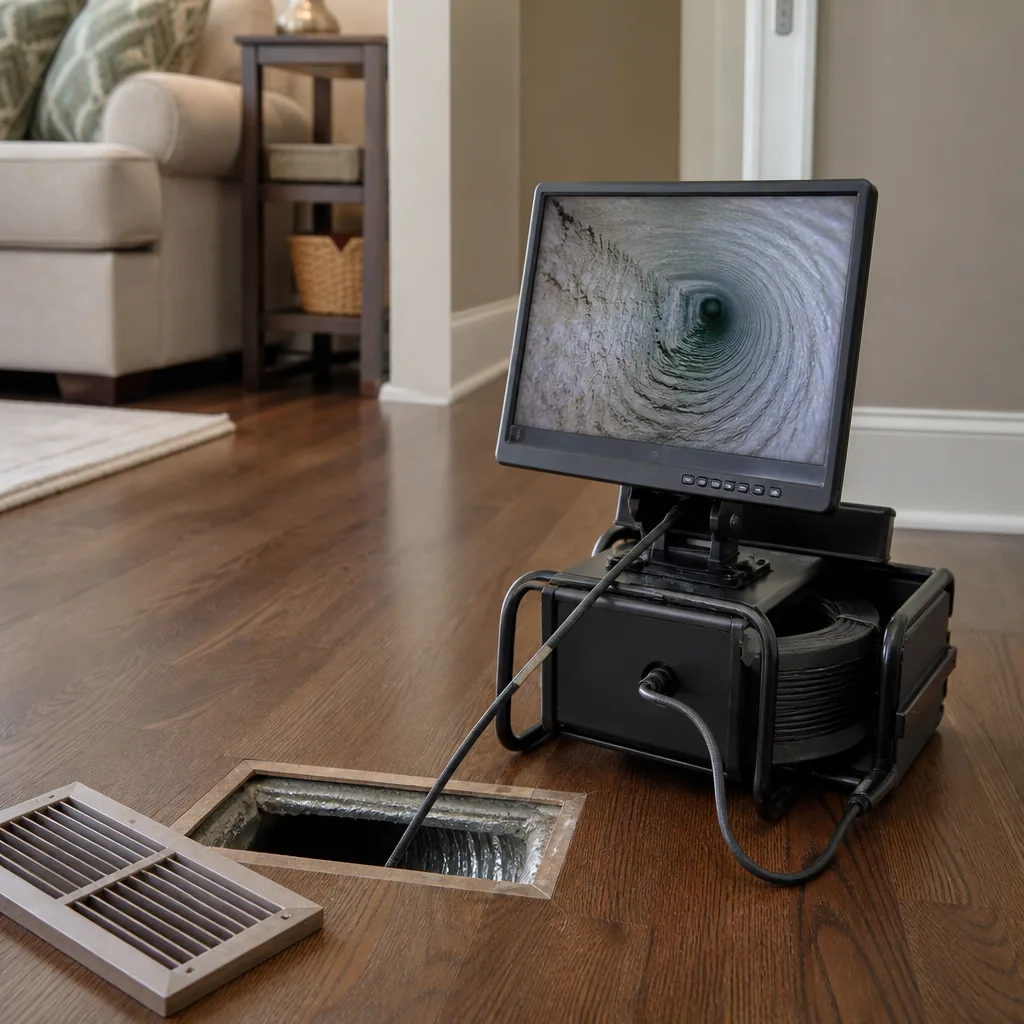 Camera inspection
 Sanitizing & deodorizing
Whole-system duct and dryer vent check with before-and-after photos - you see exactly what came out of your vents
That "$99 whole-house special" is a bait ad - the real number appears once they are in your hallway, or the "clean" is a shop-vac at the register. We photograph the inside of your ducts before and after instead.
Seasonal Air Duct Cleaning Care for Miami: Year-Round Homeowner’s Guide
Miami doesn’t have four seasons. It has two: a dry stretch from roughly November through April, and a wet stretch from May through October. The moment most homeowners notice their ducts need attention is not during the wet season, when the system is working hardest, but in the shoulder weeks between the two, when the AC cycles less and humidity inside the ductwork quietly spikes. That transition window, roughly late April through early June, is when condensation forms inside ducts that are running just enough to pull moisture in and not enough to dry it out. This guide lays out a two-season maintenance framework built on Miami’s actual climate, not a four-season template borrowed from the Midwest, so you know exactly what to check, when to check it, and what it should cost. For more detail, see our Air Duct Cleaning Cost Breakdown: The Miami Homeowner’s Reference for 2026.
Styles & brands we work with
Quick Answer
Seasonal air duct cleaning in Miami is best scheduled once during the dry season, between November and February, when lower humidity lets cleaning residues dry fast and mold risk during service is lowest. A second, lighter inspection makes sense in May or early June, before the wet season’s dewpoints above 75°F and attic temperatures above 140°F combine to stress seals and create condensation inside ducts. Expect to pay $285 to $550 for a full-system cleaning in a typical Miami single-family home, with a duct inspection running $95 to $180.
Table of Contents
- Why Miami’s Two Seasons Demand a Different Duct Schedule
- The Shoulder Season: Why Late April Through Early June Is the Risk Window
- Wet Season Duct Management: May Through October
- Dry Season Cleaning: November Through February Is the Optimal Window
- Pre-Hurricane Duct Inspection: Why May and June Beat August
- Year-Round Filter and Drain Pan Habits That Reduce Service Frequency
- What Does Seasonal Duct Maintenance Cost in Miami?
- Common Mistakes to Avoid
- When to Call a Professional
- Frequently Asked Questions
- The Bottom Line
Why Miami’s Two Seasons Demand a Different Duct Schedule
Miami’s climate is subtropical, which means the air outside is wet almost all year, but not equally wet. From May through October, outdoor dewpoints regularly sit between 74°F and 78°F. That’s the temperature at which water condenses out of air. When air that moist meets a surface even slightly cooler, you get liquid water. Inside an AC system, that’s exactly what happens at the evaporator coil. The coil gets cold, moisture condenses on it, and most of that water drains away through the condensate line. But not all of it. Some moisture stays in the system as humidity in the air stream, and some wicks into dust, lint, and debris already coating the interior of your ducts.
In Miami, the relevant question isn’t whether your ducts are humid. It’s how often they get dry. Ducts dry out when the AC runs long enough and hard enough to push dry, conditioned air through them at volume. During the hot months, the system runs constantly, which helps. During the cooler months, it runs far less, which means whatever moisture enters the ductwork hangs around longer. That’s the core insight behind a two-season duct maintenance schedule for Miami. You’re not responding to leaves falling or snow melting. You’re responding to dewpoint, run time, and the condensation cycle inside the system.
For a deeper look at how Miami’s humidity affects the mechanics of duct cleaning, our Air Duct Cleaning in Miami page covers the negative-air method and rotary brush process in plain English.
What Miami’s Climate Does to Ductwork Over 24 Months
- Condensate carryover: During high-humidity months, the evaporator coil produces more water than the drain line can always remove quickly. Water droplets get carried into the supply ducts and settle on dust deposits.
- Dust cementation: Miami’s humid air turns fine dust into a paste that bakes onto duct walls. Dry climates produce loose dust that vacuums out easily. Miami dust needs mechanical agitation, which is why rotary brush systems like Rotobrush are effective here.
- Seal degradation: Duct mastic and tape joints expand and contract with temperature swings between attic heat and AC chill. After two or three Miami summers, seals that began airtight start to leak.
- Mold lag time: Mold spores that land in ducts don’t grow immediately. They wait for a sustained humidity event, like the shoulder season, when condensation forms and the system cycles less. By the time you smell musty air in July, the growth started in May.
The Shoulder Season: Why Late April Through Early June Is the Risk Window
The term shoulder season usually describes the weeks between peak heating and peak cooling demand in temperate climates. Miami has its own version, and it’s the most dangerous stretch of the year for ductwork. Here’s what happens. Through April, attic temperatures are climbing. By early May, a Miami attic can hit 130°F by 2 p.m. while nighttime temperatures drop into the 70s. That daily swing means the air inside your ducts expands and contracts, pulling outside air in through tiny gaps at joints and registers. Meanwhile, the AC system hasn’t yet hit its full summer load. It cycles on, runs 15 or 20 minutes, shuts off. The coil gets cold, condenses moisture, and the system shuts down before that moisture fully drains or evaporates.
The result: condensation inside ducts, warm humid attic air entering through micro-leaks, and a system that runs just enough to feed the problem but not enough to dry it out. We see this pattern every year in Miami. A homeowner calls in July with a musty smell. The duct inspection shows mold colonies that established in May. The shoulder season is the root cause, and it’s almost completely absent from generic seasonal maintenance guides written for northern climates.
What to Check During the Shoulder Season (Late April to Early June)
- Listen for dripping or gurgling sounds near the air handler during AC off cycles. This indicates condensate pooling that isn’t draining completely.
- Check the condensate drain line for slow flow. Pour a cup of water into the access point and watch how fast it exits. Slow drainage means the shoulder season is overwhelming the line.
- Inspect the supply registers for condensation on the outside face. Dew on a register means the duct behind it is too cold for the room’s humidity level.
- Sniff at each return register in the early morning, before the AC kicks on. Musty odor that fades when the system runs is an early mold indicator.
- Check the air filter. If the filter looks wet, wrinkled, or shows water staining, condensation is happening inside the plenum area.
If any of these checks come back positive, schedule a professional inspection before the wet season locks in. At Hollis Air Duct Miami, we treat a shoulder-season call as a preventive visit, not an emergency, and we give you a written price before any work starts so you know exactly what the inspection and any needed our Air Duct Cleaning services will cost.
Wet Season Duct Management: May Through October
Miami’s wet season is a five-month stress test for the entire HVAC system. Outdoor dewpoints above 75°F are normal. Attic temperatures above 140°F are normal. Those two measurements happen simultaneously, day after day, and the ductwork in your attic or chases sits right in the middle of that battle. The air outside your ducts is a furnace. The air inside your ducts is chilled to roughly 55°F. The temperature difference can exceed 85 degrees across the duct wall in the worst of August. That’s a pressure cooker for condensation, mold, and seal failure. Wet season duct care is not about cleaning. It’s about minimizing moisture intrusion and keeping the system draining so that when you do clean, the job is straightforward.
Wet season is also when emergency calls spike in Miami. Power flickers cause condensate pumps to fail. Heavy rain saturates the ground near the condenser and backs up drain lines. Humidity sensors get overwhelmed. A few habits during May through October reduce those emergencies:
Wet Season Duct Habits
- Change the air filter on a strict 30-day interval. A MERV 8 filter in Miami’s summer humidity loads with damp dust fast. A loaded filter chokes airflow, which makes the coil colder, which increases condensation, which loads the filter faster. It’s a feedback loop, and changing the filter is the cheapest way to break it.
- Clear the condensate drain line monthly. Use a wet-dry vacuum on the line’s exterior exit point or pour a 50/50 vinegar-water solution through the line. Algae and biofilm grow fast in Miami’s heat.
- Keep the thermostat at a steady setting. Frequent temperature setbacks cause the system to short-cycle, which repeats the shoulder-season problem all summer long.
- Check for pooling water near the air handler after heavy rain events. Stormwater intrusion at the foundation level can reach the air handler closet in many Florida slab homes.
- Don’t close more than one or two supply registers. Miami homes often have single-return systems. Closing registers increases static pressure, which forces chilled air through smaller gaps and worsens condensation at joints.
That said, ducts don’t need a full cleaning to survive a single summer. They need clean filters, clear drain lines, and enough airflow. Optimizing those three systems is the real work of Hollis Air Duct Miami home service philosophy, and it’s the same discipline we bring to every duct inspection.
Dry Season Cleaning: November Through February Is the Optimal Window
Every professional duct cleaner in Miami knows the same scheduling truth: the dry months make the job cleaner, faster, and safer for the homeowner. Here’s why. From November through February, outdoor dewpoints in Miami typically range from the low 50s to the mid 60s. That’s still humid by national standards, but it’s dramatically drier than July. When a cleaning crew runs a negative-air machine in a home with lower ambient humidity, the loosened dust and debris dry faster, the antimicrobial treatments applied to duct surfaces cure more effectively, and the risk of introducing new moisture during the service is minimal.
Dry-season cleaning also aligns with how Miami homes actually operate. The AC runs less, so the system is dormant enough to work on. Filter grilles aren’t sweating. Condensation isn’t forming on register faces. And the cleaning residues, including the fine particulate the agitation process loosens, settle and collect in the vacuum system rather than clumping in the existing humidity. In our experience, a dry-season cleaning in Miami takes an average of 30 to 45 minutes less than a wet-season cleaning in the same square footage, which translates directly into a lower inspection and service bill for owners.
For a detailed breakdown of the cleaning process, including the negative-air method and rotary brush agitation, see our Air Duct Cleaning in Miami page. For homes with a dedicated dryer exhaust run, the Dryer Vent Cleaning in Miami page explains why lint buildup follows the same Miami humidity patterns and what a clean vent costs.
Steps in a Dry-Season Duct Cleaning (What Actually Happens)
- System assessment: The technician checks filter condition, coil access, drain line function, and measures static pressure across the blower. The goal is to identify airflow problems before cleaning begins, because cleaning won’t fix a collapsed return or an undersized duct run.
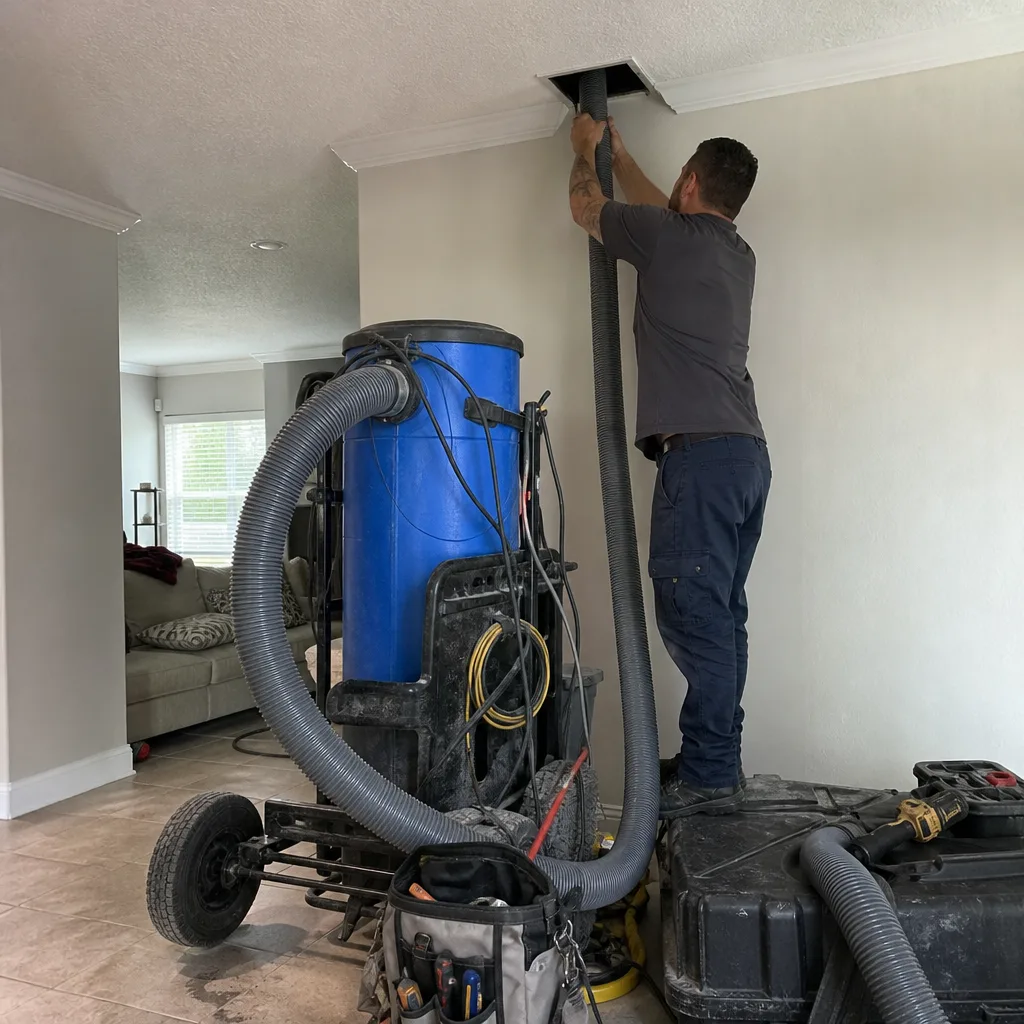
- Containment setup: Supply and return registers are sealed, and the negative-air machine is connected at the air handler. This creates a vacuum so dust and debris flow out of the system, not into your living space.
- Mechanical agitation: A rotary brush system, like the Rotobrush we run, travels through each duct run. This is not a soft vacuum pass. It’s a motorized brush that scrapes caked dust, biofilm, and the hardened debris Miami humidity produces.
- Negative-air extraction: The negative-air machine pulls loosened debris through a HEPA-grade filtration system. A Nikro negative-air unit pulls roughly 2,000 CFM, which is enough to maintain negative pressure throughout the cleaning.
- Duct surface treatment: If the inspection shows mold or heavy microbial growth, an antimicrobial treatment is fogged or wiped onto duct surfaces. This step requires the ducts to be dry, which is exactly why dry-season scheduling matters.
- Post-cleaning verification: The technician runs the system, re-checks static pressure, inspects the drain line, and walks you through before-and-after photos of your actual ducts.
One flat price per system is agreed to in writing before any of this begins. That’s a Garrison Standard requirement at every location, not a negotiation tactic.
Pre-Hurricane Duct Inspection: Why May and June Beat August
Most Miami homeowners think about hurricane prep in August, when a storm develops and the cone appears. But the highest-value time to prepare your duct system for hurricane season is May and June. Here’s why. Hurricane season officially starts June 1. The most active period for Florida landfalls runs from mid-August through October. That means the structural stress your ductwork will face during a storm, sharp pressure changes, high sustained winds, and power flickers, happens after the wet season has already settled in. By August, any duct weakness that existed in May has had three more months of 75°F dewpoints to worsen.
Storm pressure changes matter more for ducts than most owners realize. A hurricane’s low-pressure center causes the air pressure outside your home to drop rapidly. Meanwhile, the inside of your home stays at normal pressure until wind penetrates. That differential flexes every duct joint and register boot in the system. If the seals are old, dried, or already failing from Miami’s heat, the pressure swing opens gaps that then close again after the storm passes. Those gaps admit attic air, which is hot, humid, and full of insulation particles. A pre-hurricane inspection in May or June finds those weak seals while there’s still time to repair them under dry, manageable conditions.
Duct sealing is often the fix, not replacement. A properly applied mastic seal, not foil tape, which fails in Miami attics within two summers, restores the duct run’s airtight integrity. For more on that repair, our Duct Sealing in Miami page explains mastic application, cost, and what a sealed system does for your energy bill.
Pre-Hurricane Duct Inspection Checklist
- Check all visible duct joints in the attic or crawl space for cracked mastic, loose tape, or separated fittings.
- Inspect register boots where the duct meets the ceiling or floor. These are the most common failure points during pressure swings.
- Verify the condensate overflow switch is functional. During heavy rain, the drain line can back up, and the overflow switch protects your ceiling from water damage.
- Confirm the air handler closet is sealed from garage air intrusion. In many Miami homes, the air handler shares a wall with the garage, and storm pressure gradients push garage air through that wall into the return.
- Test the system under full load by running the AC at a low setpoint for 30 minutes while listening for whistles or hisses at registers, which indicate leak points under pressure.
- Change the filter on the first day of every month. Don’t go by the filter package’s 90-day claim. Miami air is dustier and wetter than the national average those ratings assume. A MERV 8 filter is the right balance for most systems; a MERV 13 works if you have allergies but loads faster.
- Use pleated filters, never fiberglass. Fiberglass filters, the cheap blue ones, catch about 10% of the particulate a pleated filter catches. They protect the blower motor from large debris and nothing else. Your ducts are not protected by a fiberglass filter.
- Pour a cup of white vinegar down the condensate drain line every month. Vinegar is acidic enough to break up the early biofilm, but gentle enough not to damage PVC. Follow with a cup of clear water to flush.
- Check the drain pan for standing water every time you change the filter. If the pan is full or shows water stains above the normal level, the drain is slowing down.
- Keep at least two return air paths open per floor. In a single-return Miami home, if that one return is blocked by furniture or a closed door, the entire system breathes through a straw and runs wet.
- Install a condensate overflow safety switch if one isn’t already present. This is a $30 part that shuts the system off before a clogged drain floods your ceiling or air handler closet. Most Miami homes should have one by default.
- Duct inspection only: $95 to $180. A visual and camera inspection of duct runs, registers, coil, and drain pan, with a written report.
- Full-system duct cleaning: $285 to $550. Includes negative-air setup, rotary brush agitation, full duct run coverage, and antimicrobial treatment if needed.
- Duct sealing: $450 to $1,200. Mastic-sealing of accessible duct joints, register boots, and plenum connections. Includes post-sealing leak verification.
- Dryer vent cleaning: $85 to $180. Full lint removal from the dryer exhaust run, including the exterior vent hood.
- Coil cleaning (add-on service): $120 to $260. Evaporator coil access, chemical or steam cleaning, and drain pan flush.
- Blower motor and housing cleaning (add-on service): $90 to $160. Removal, cleaning, and reinstallation of the blower wheel and housing.
- Scheduling duct cleaning only when there’s a smell. By the time a musty odor is present, mold colonies inside the ducts are established. Miami’s humidity grows mold fast. An odor means the problem is advanced, not early.
- Using the cheapest filter that fits. Fiberglass filters protect the blower and nothing else. A $4 filter that loads in three weeks and passes particulate does more harm in Miami’s humidity than no filter at all, because it gives a false sense of protection.
- Ignoring the condensate drain until the safety switch trips. If the system shuts down from an overflow switch, the drain line has been slowing for weeks. Biofilm is already distributed through the air stream.
- Closing off unused rooms to save energy. In Miami’s single-return homes, shutting doors and closing registers creates negative pressure zones that pull hot, humid attic air into the living space through gaps in the ceiling and walls.
- Assuming a 2010-era duct system is still sealed. Mastic degrades, tape fails, and joints separate. A five-year-old seal is suspect in a Miami attic. A ten-year-old seal is almost certainly compromised.
- Waiting until August to think about hurricane prep. The window for safe, dry, unhurried duct inspection closes when the daily thunderstorm pattern locks in. May and June are the months to prepare.
- Falling for a per-vent teaser quote. A $39 “whole-house” special that charges $49 per vent on arrival is not a deal. You’ll pay more than the honest flat rate and still have no written guarantee. Get the price in writing before the crew arrives.
Year-Round Filter and Drain Pan Habits That Reduce Service Frequency
The duct system has two primary defenses against Miami humidity: the air filter and the condensate drain. Neither is glamorous. Both matter more than any cleaning interval. Here’s the logic. A clean filter protects the blower, the coil, and the duct surfaces from loading with particulate. When the filter loads past its capacity, air bypasses it around the frame edges, carrying dust directly into the coil and downstream ducts. That dust loads with humidity and becomes the organic base that mold grows on. The filter is not a convenience. It’s the first line of defense for the entire ductwork system in Miami’s climate.
The drain pan and drain line are the second line. Every cooling cycle produces water. That water must leave the system completely, through the drain line, into the home’s plumbing or exterior drainage. If the line slows or clogs, the drain pan fills, water backs up into the air handler cabinet, and the blower picks up and distributes mold spores through the ductwork. A clogged drain line is the single most common cause of mold-related duct contamination in Miami homes. It costs $10 and 15 minutes to prevent, and hundreds or thousands to remediate if ignored.
Filter and Drain Habits That Work in Miami
These habits reduce how often professional service is needed, and when service does happen, they reduce how much work the technician has to do. That’s less time, which is less money, and a cleaner system when the job is done. Our Hollis Air Duct Miami home page covers the full range of services beyond cleaning, including duct sealing and dryer vent work, all of which build on these same maintenance habits.
What Does Seasonal Duct Maintenance Cost in Miami?
Air duct cleaning in Miami runs on a different pricing model than most home services. Some companies quote per vent, which sounds cheap until you realize a three-bedroom home has 15 to 20 vents. Others quote a teaser price that balloons once the crew arrives and discovers mold, a dirty coil, or a failed seal. The honest way to price duct work is per system, not per vent, and the range in Miami is stable enough to state plainly. A full-system duct cleaning for a single-family home in Miami typically costs between $285 and $550, depending on square footage, number of duct runs, and whether the system has accessible attic or chase returns. Duct sealing adds another $450 to $1,200 depending on how many joints require mastic and how much of the system is reachable. Dryer vent cleaning, which is often bundled with duct work, runs $85 to $180 as a standalone service.
Miami Seasonal Duct Service Price Ranges
These ranges reflect Miami’s specific market. Duct runs are longer in ranchers, tighter in townhomes, and almost universally hot and humid in attics. The work takes longer than it does in Phoenix or Denver, and the pricing reflects that. Every Hollis Air Duct Miami job gets a written price before work begins. The price covers the entire system, not a per-vent rate that grows as the technician counts registers. If the work fails within a year, our 365-Day Done Right Promise means we return at no charge, including a free second visit. That’s the Garrison Standard, and it’s written into every invoice.
Common Mistakes to Avoid
When to Call a Professional
Some duct conditions are DIY-appropriate. Changing a filter, clearing a visible condensate line clog with a shop vac, and checking for obvious register condensation are all reasonable homeowner tasks. Others are not. If you see visible mold growth on register faces or duct interiors, if the system has been through a major water event like a roof leak or flood, if you smell persistent musty odor that doesn’t clear, or if your energy bills have spiked without a matching change in usage, call a professional. Duct cleaning in Miami requires negative-air containment, not a hardware-store vacuum, because agitating a contaminated duct system without proper containment spreads the problem through the home. Hollis Air Duct Miami offers free estimates in Miami, call (850) 660-3272, and every estimate includes a written price before any work begins.
Frequently Asked Questions
In Miami, full duct cleaning is generally needed every 3 to 5 years for homes with good filter habits and functioning drain lines, but annual inspections are worth it. Homes with pets, smokers, or visible dust accumulation at registers may need cleaning every 2 to 3 years. The humidity load in Miami doesn’t necessarily mean you need more frequent cleaning; it means you need more consistent maintenance of the filter and drain system so cleaning isn’t an emergency.
A full-system air duct cleaning in a typical Miami single-family home costs between $285 and $550. Smaller condos and apartments run $195 to $350. Larger homes with multiple systems can exceed $700. The price should be quoted per system, not per vent, and should be written down before the work starts. Call (850) 660-3272 for a free estimate with a written price.
No. Annual duct cleaning is not necessary in Florida for most homes. What is necessary is an annual inspection, ideally in the spring before the wet season begins, to catch seal failures, drain line issues, and early condensation problems before they become mold problems. The inspection is $95 to $180 and often saves homeowners from a much larger remediation bill later.
The best time to clean air ducts in Miami is between November and February, when outdoor humidity is lower and cleaning residue dries faster. The second-best window is the pre-wet-season period in May and early June, but that’s better for inspection and sealing than for full cleaning because of the higher condensation risk during service.
Duct cleaning removes dust, debris, and mold that hold moisture inside the system, but it does not fix humidity itself. Humidity control is a function of proper AC operation, good drainage, and adequate airflow. Cleaning solves contamination problems. Humidity requires fixing air leaks, drain blockages, and system balance. The two are related but not the same service.
Before-and-after photos of the actual duct runs, not stock photos, are the standard. A proper Miami duct cleaning will show before images with dust, debris, or contamination, and after images showing clean duct surfaces. If you have a camera inspection available, that verifies it even further. Every Hollis Air Duct Miami job includes before-and-after documentation of your system. Call (850) 660-3272 for an exact quote; estimates are free.
Standard homeowners insurance in Florida does not cover routine duct cleaning. It may cover duct cleaning or replacement if the contamination resulted from a covered peril, like a roof leak during a named storm or a plumbing overflow. Mold remediation and duct cleaning after flooding are claim-dependent and often require a mold assessment before coverage is confirmed. Check your policy’s water damage and mold endorsements, which many Miami carriers limit heavily.
The Bottom Line
Miami’s duct problems follow a predictable pattern. The shoulder season between dry and wet weather creates condensation that owners don’t notice until mold is established. The wet season stresses seals and drain lines. The dry season is the window to clean, seal, and reset. A homeowner who changes filters monthly, flushes the drain line with vinegar, schedules a May inspection, and books a full cleaning every three to five years in the November-to-February window will spend less on emergency repairs and breathe cleaner air than a homeowner who waits for a smell. That’s the two-season framework, built on Miami’s actual climate, and it works. Explore more guides & resources on keeping your Miami home’s air clean. Call (850) 660-3272 for a free estimate with a written price.
Written by Roy Castellanos, Owner at Hollis Air Duct Miami, serving Miami since 2004.
See the difference
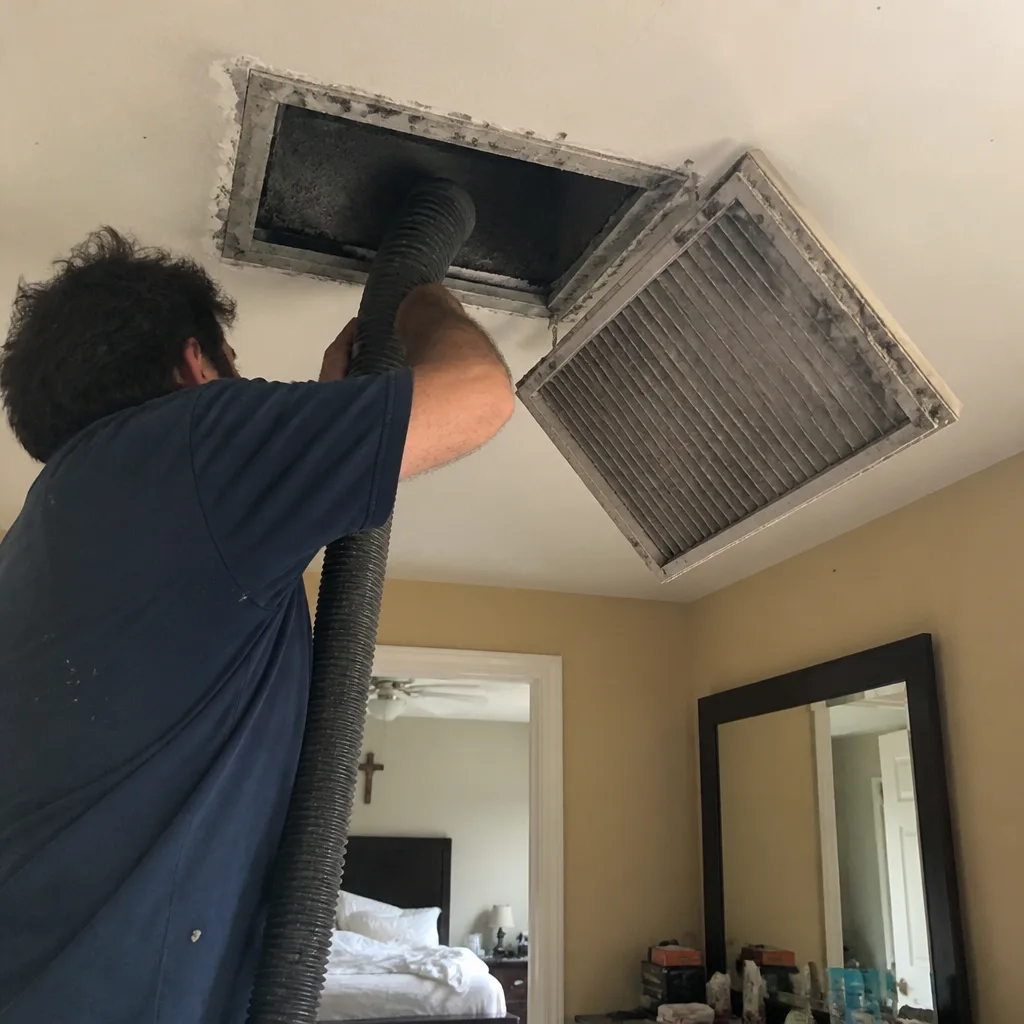 Before
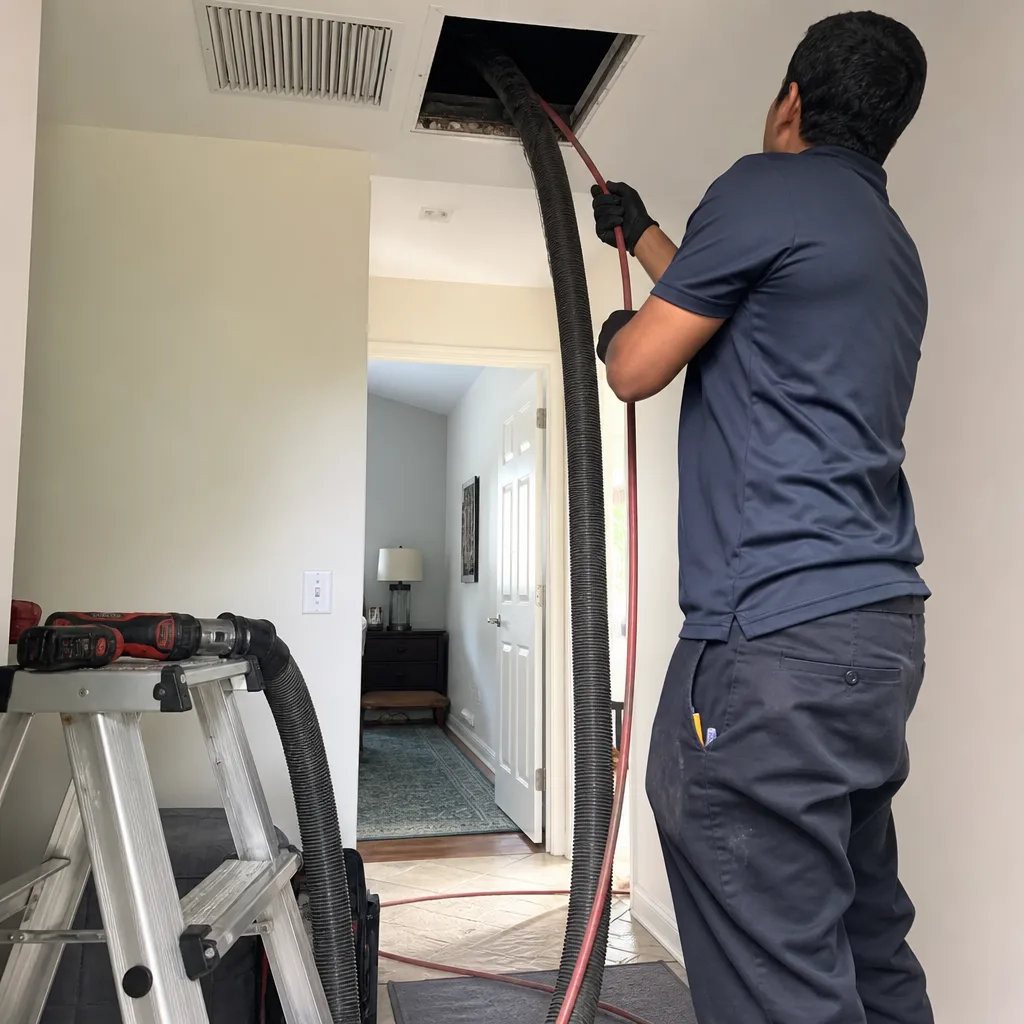 After
After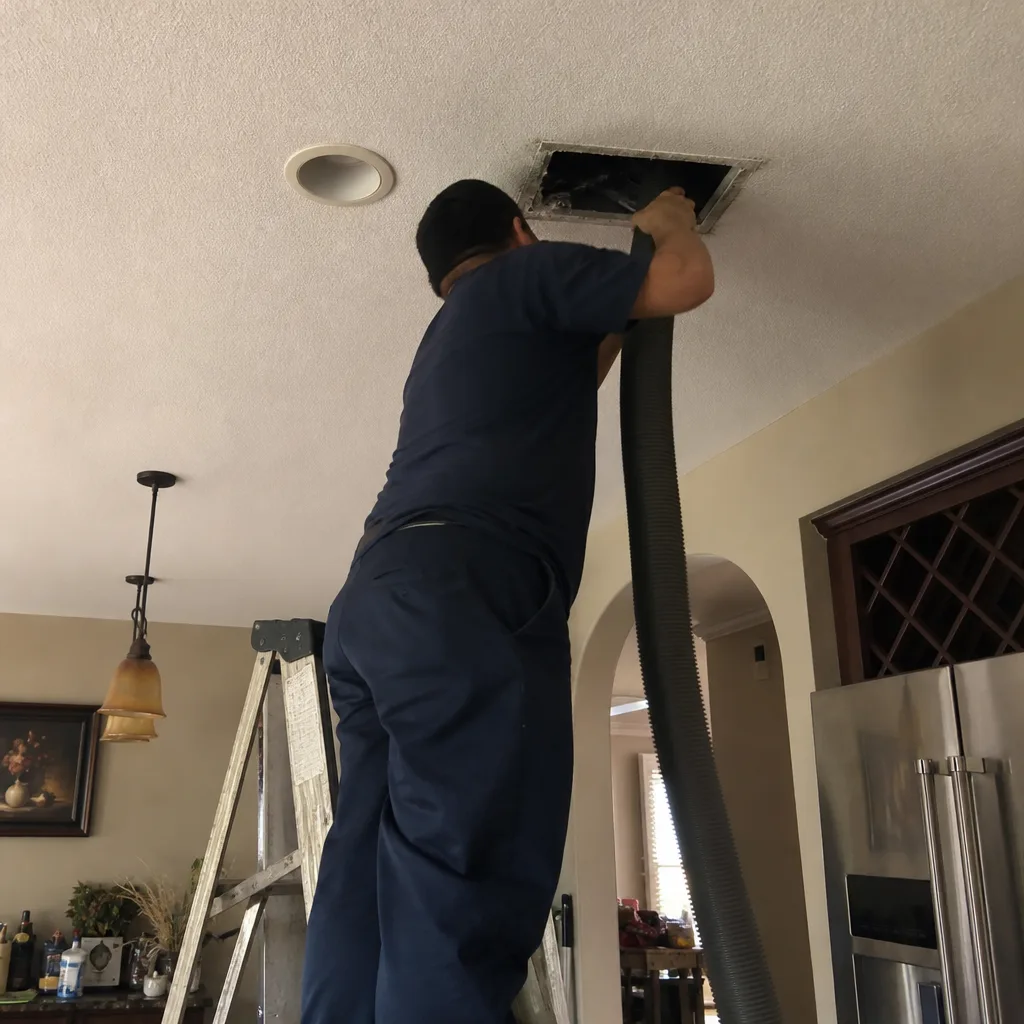 Before
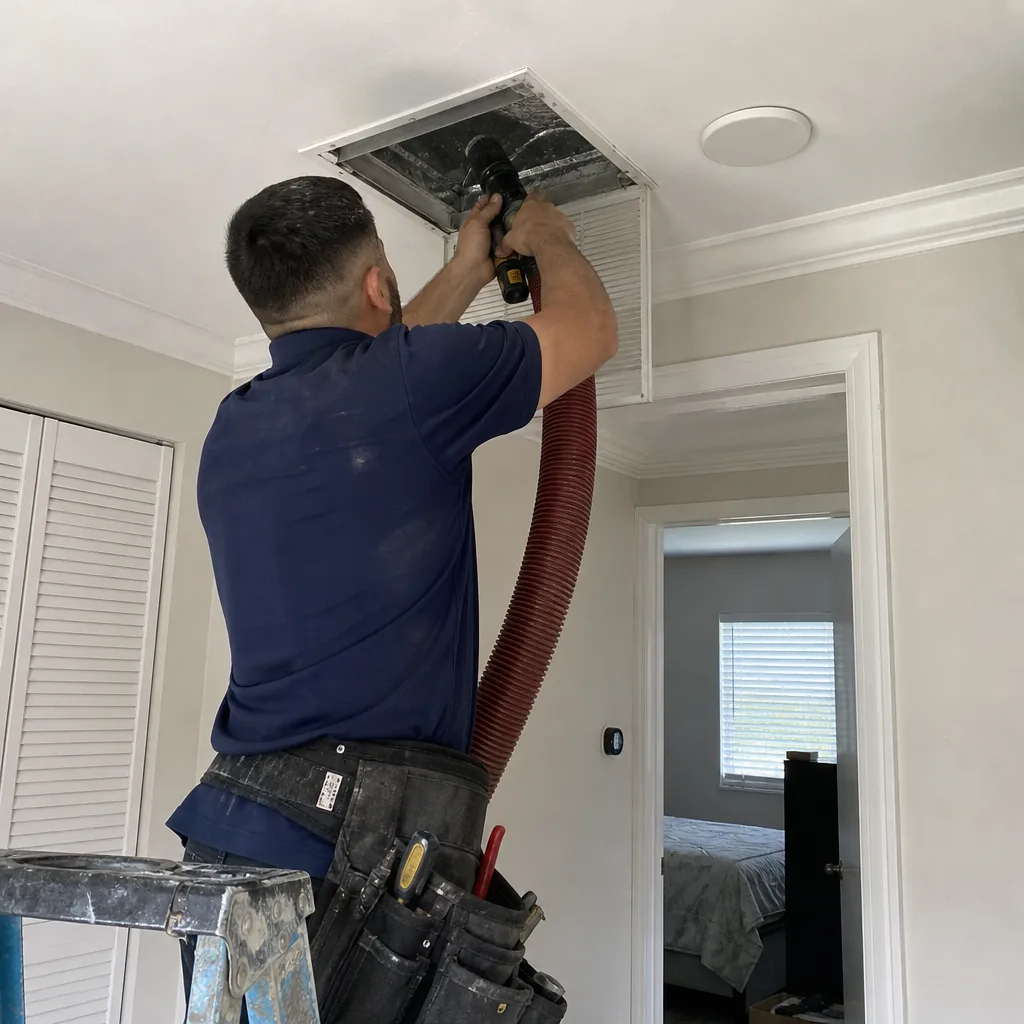 After
After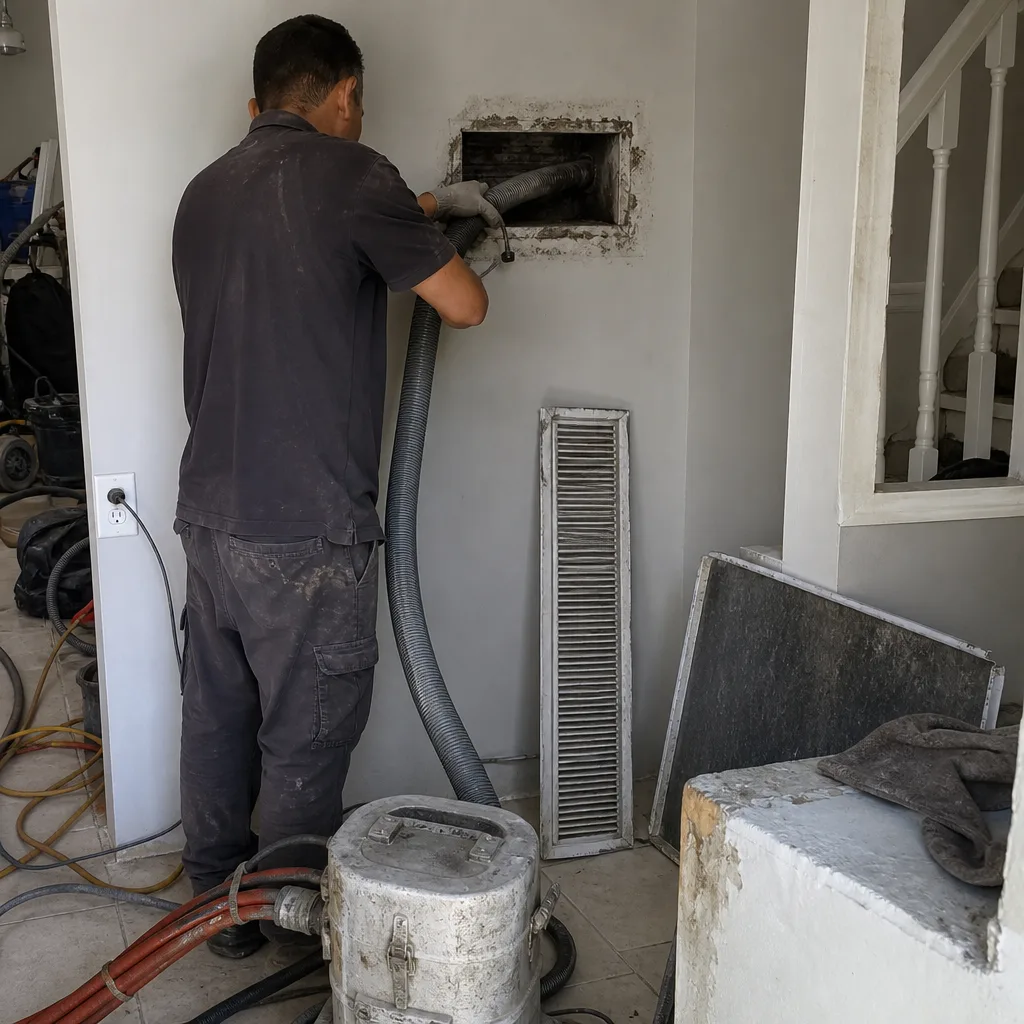 Before
 After
After