
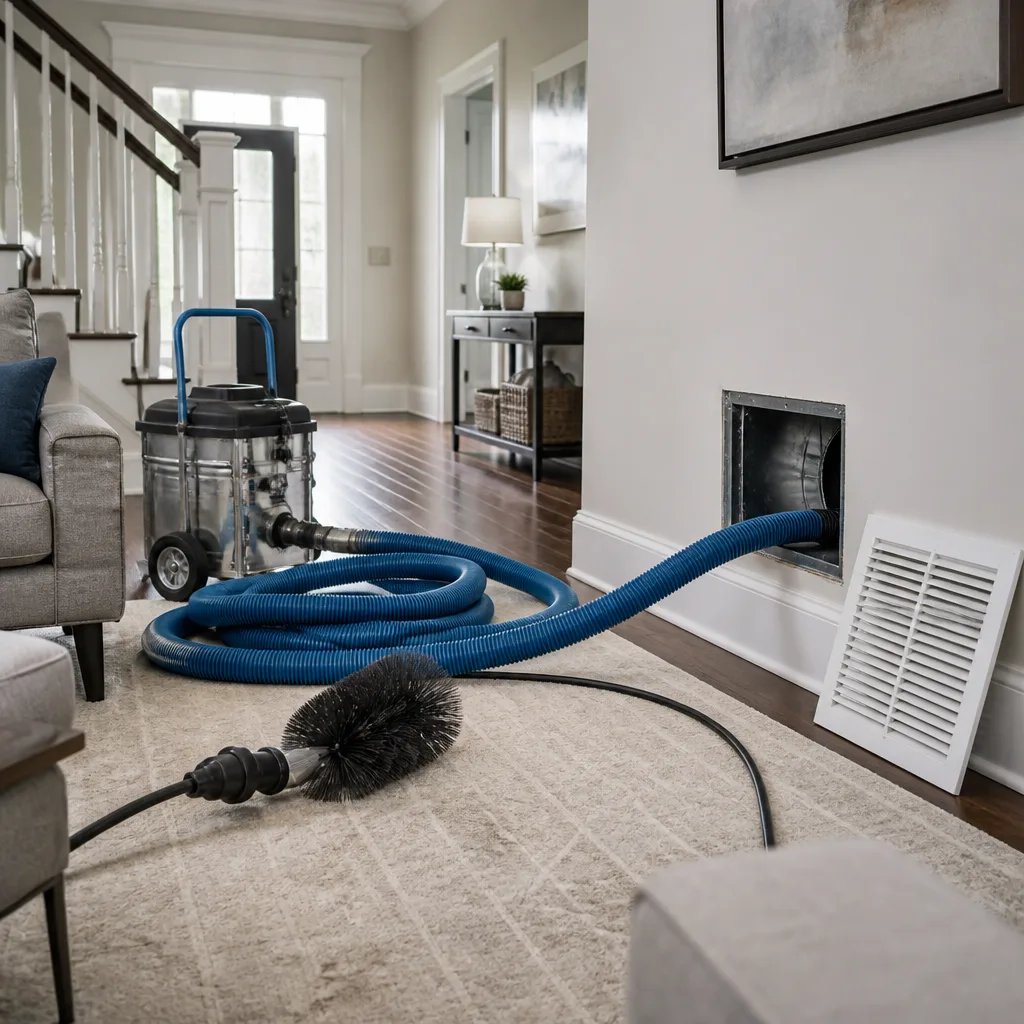
 Whole-home duct cleaning
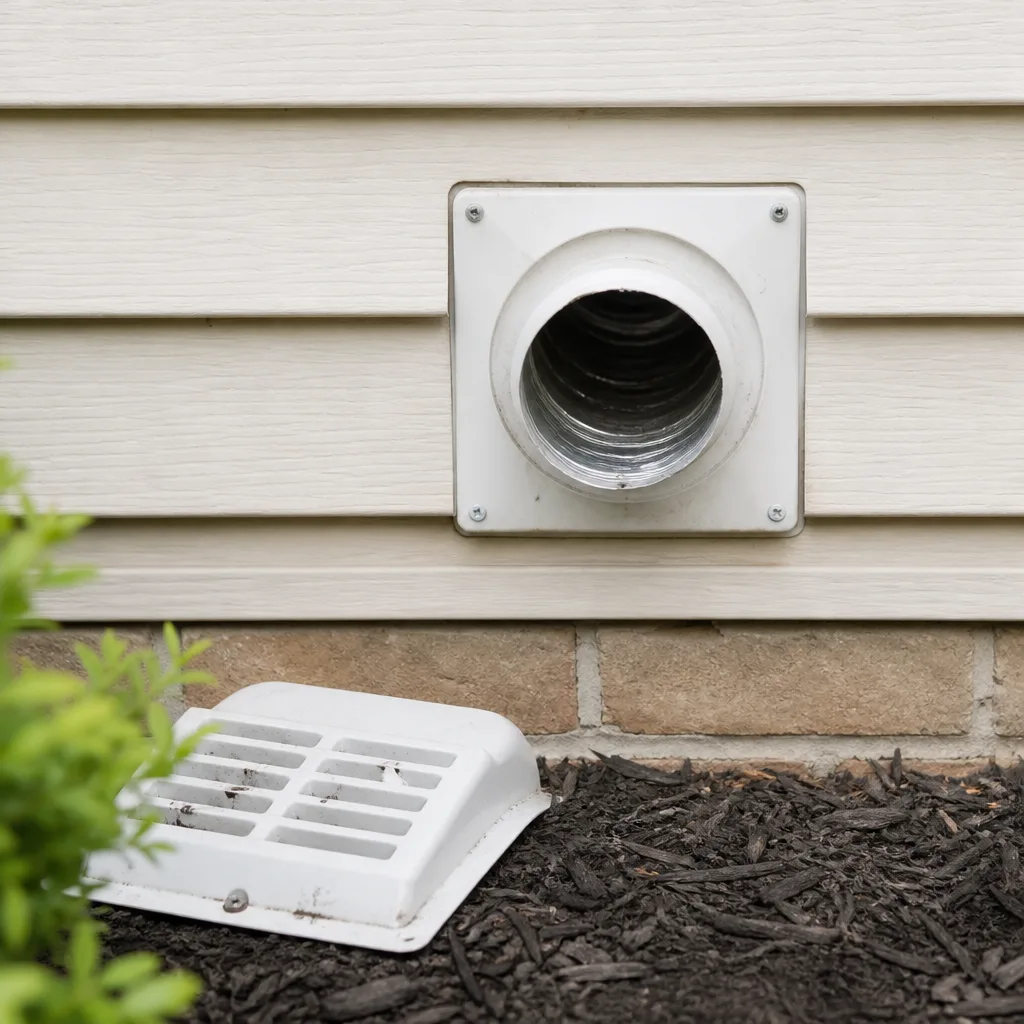 Dryer vent cleaning
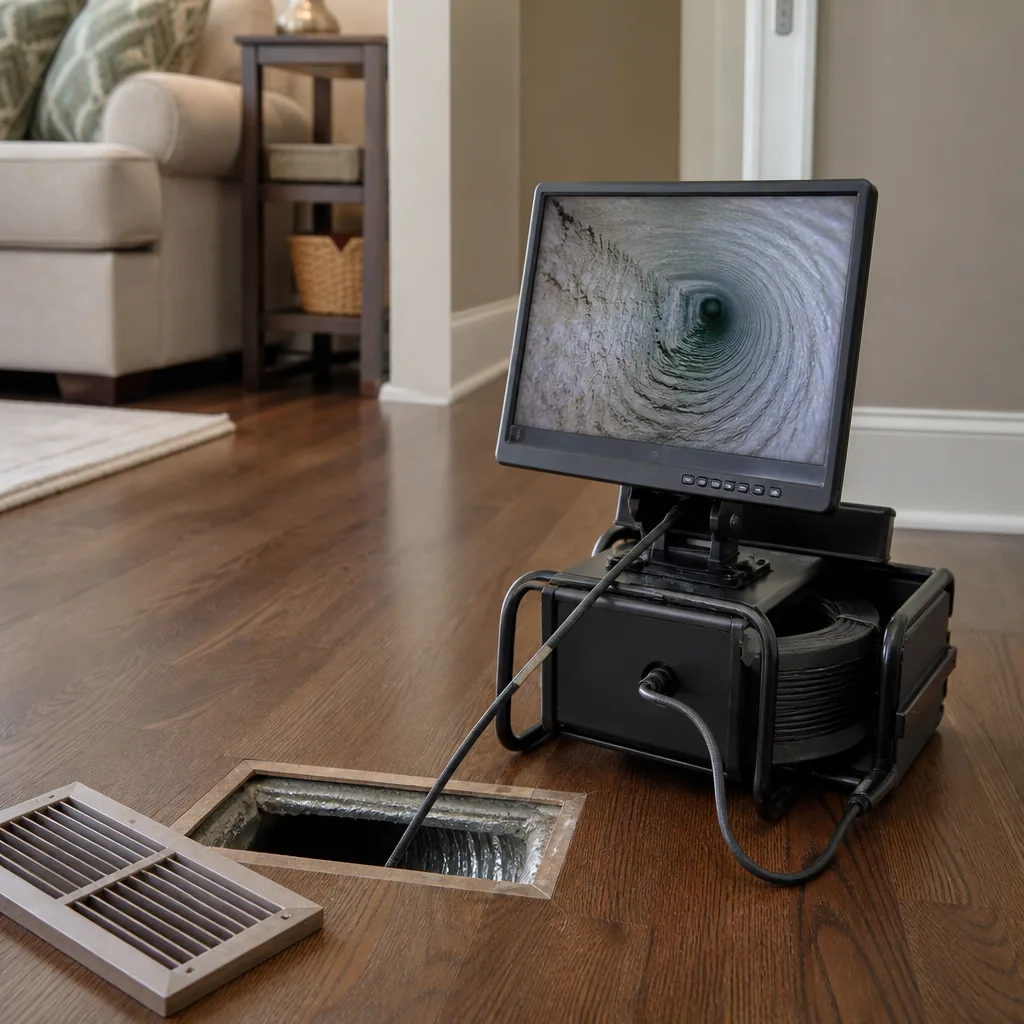 Camera inspection
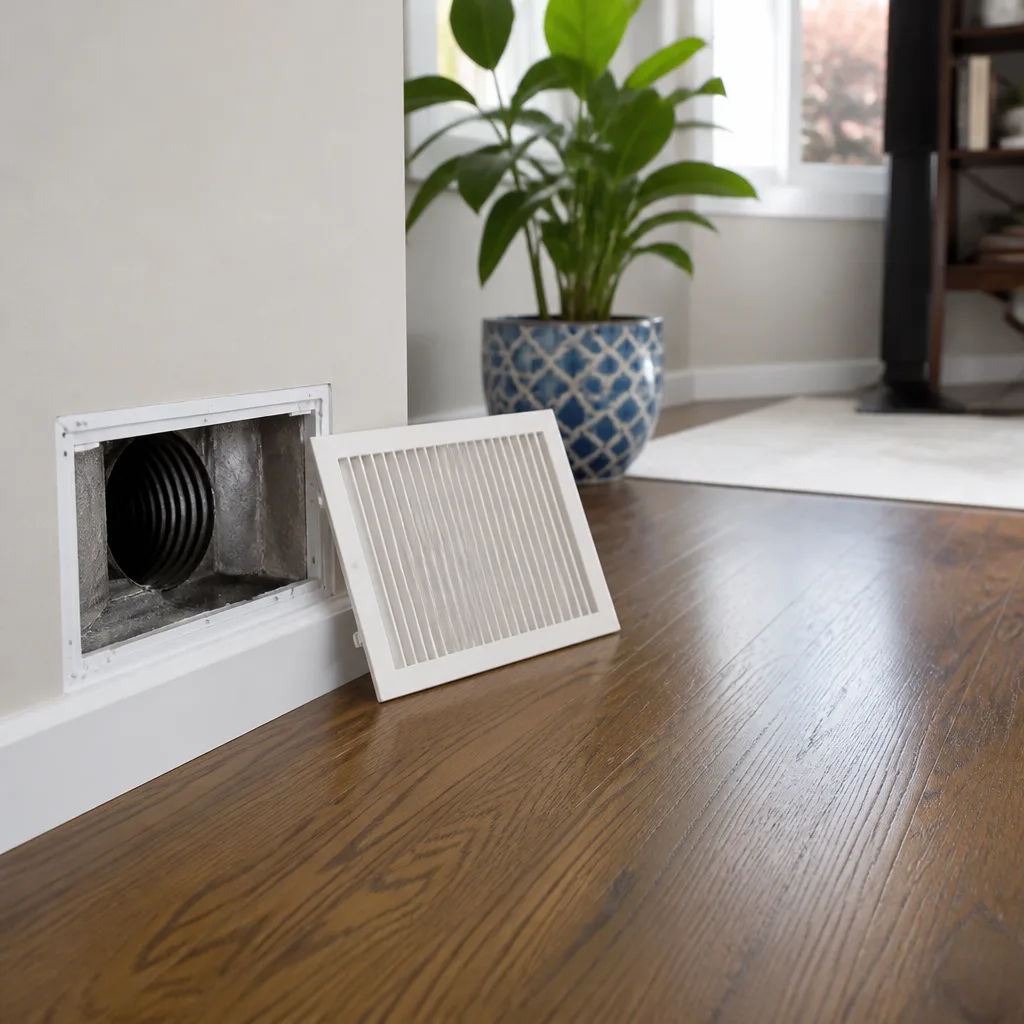 Sanitizing & deodorizing
Whole-system duct and dryer vent check with before-and-after photos - you see exactly what came out of your vents
That "$99 whole-house special" is a bait ad - the real number appears once they are in your hallway, or the "clean" is a shop-vac at the register. We photograph the inside of your ducts before and after instead.
Nikro Vent Sanitizing: The Miami Owner’s Guide
If you own a Nikro negative-air machine or vent sanitizing unit and the sanitizing function has failed, we stock the most common replacement UV lamps, ballasts, and sanitizing modules for Nikro equipment right here in Miami. Installed replacement typically runs $260 to $520 depending on which Nikro model you have and whether we’re swapping a single UV lamp or the full sanitizing module. Most Nikro vent sanitizing repairs are same-day jobs once we confirm the part on hand.
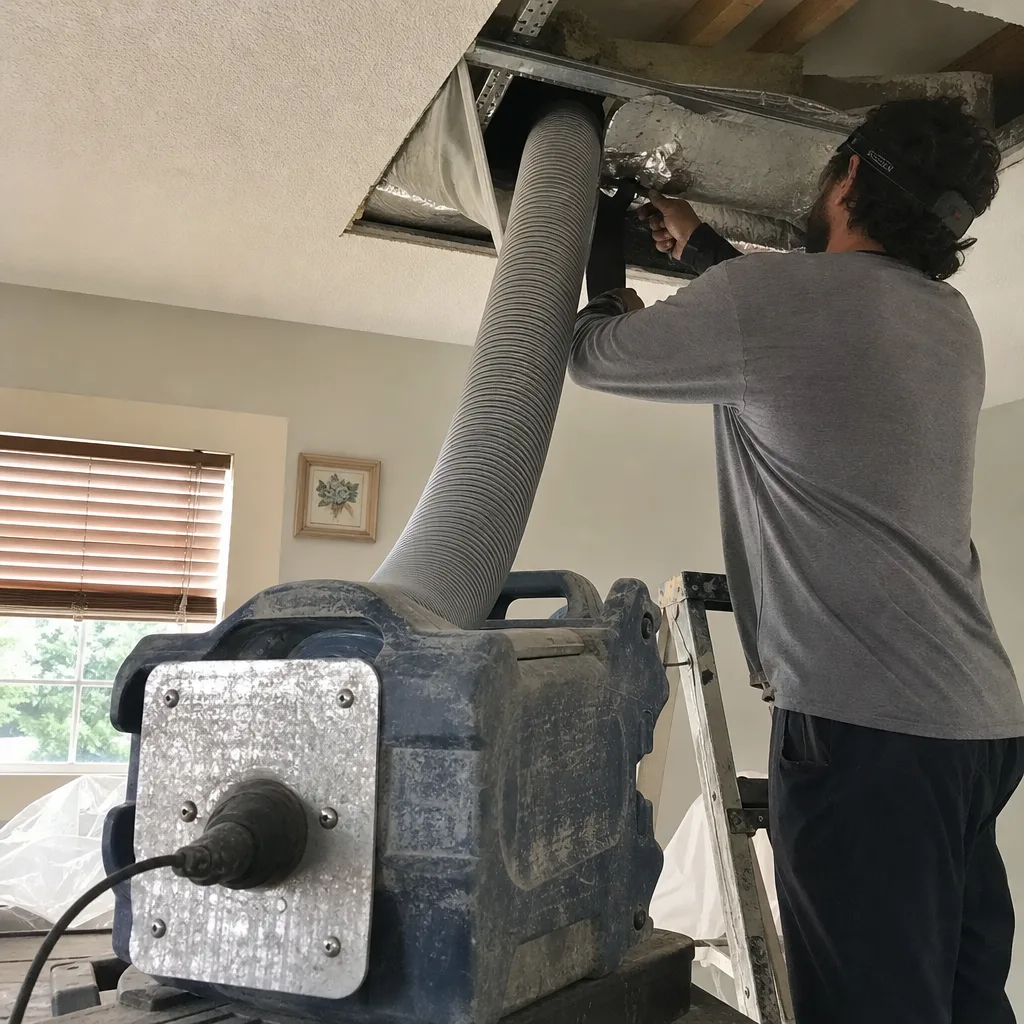
The way most owners discover this part has failed is quiet. The machine runs, the fan pulls air, but the sanitizing indicator doesn’t light or the system throws a fault code on startup. Or someone notices the air coming through the vents doesn’t have that clean smell it did when the unit was new. Nikro units are built for commercial-grade work, but the sanitizing components are wear items just like tires on a truck. In Miami, with our humidity and the amount of airborne mold spore we deal with, those components work harder and fail faster than they do in drier climates.
Roy Castellanos has been swapping Nikro sanitizing components in Miami homes and commercial properties for well over a decade, and the failure pattern he sees most often in this market is UV lamp burnout accelerated by humidity-related corrosion on the lamp contacts. We’ll get into the specifics below.
Which Nikro Models This Applies To
Nikro builds several lines of air scrubbers and negative-air machines, and the vent sanitizing components differ by series. The most common units we service in Miami are the Nikro B-series negative-air machines and the Nikro air scrubber line that takes either a UV-C lamp module or a combination HEPA/UV sanitizing stage. The industrial units used in commercial restoration take different sanitizing modules than the smaller portable units a homeowner might run after a leak or mold remediation job.
If you’re trying to identify your part, open the access panel and look for the data plate. Nikro stamps the series letter (B, C, or SC for scrubbers) plus a numeric model code. The UV lamp itself will have a wattage and length printed on the ceramic end cap, usually 14, 25, or 36 watts at 9 to 17 inches. That matters because a 14-watt lamp will not fire correctly in a fixture built for a 36-watt lamp, and Nikro ballasts are matched to lamp wattage. One compatibility gotcha we run into regularly in Miami: after Hurricane Irma and the flooding seasons since, a lot of refurbished Nikro units entered the local market with mismatched sanitizing modules inside. The machine runs fine on the blower side, but the sanitizing stage was a quick reseller fix that doesn’t match the data plate. We check the ballast wiring and lamp specs against the plate before we quote anything, because the wrong match will kill a new lamp in weeks.
For OEM versus aftermarket: Nikro’s OEM UV lamps are priced at the high end but the ballasts are the weak point, not the lamp itself. A quality aftermarket ballast with the same wattage and starter profile usually performs as well and costs 30 to 40 percent less. We keep both on the truck and we’ll tell you which one makes sense for your unit.
Styles & brands we work with
Signs Your Nikro Vent Sanitizing Is Failing
- Fault code or indicator light out: The sanitizing stage throws a code on startup or the UV indicator stays dark while the blower runs normally. This usually points to a dead ballast, not the lamp itself.
- Lamp fires then flickers or drops out: The lamp lights for a few seconds, then dims or shuts off while the unit keeps running. In Miami’s humidity, we see this most often as corroded lamp contacts or a ballast that’s cooking itself.
- Darkened lamp ends or a burned odor near the access panel: A UV lamp that has been run past its rated hours will blacken at the ceramic ends. That’s normal wear, not a defect, but it means the sanitizing output has fallen off sharply even if the lamp still glows.
- Noticeably less odor reduction or a stale smell returning to vents: The unit runs, but the rooms don’t hold that clean air the way they used to. UV sanitizing output drops off a cliff in the last 10 to 15 percent of lamp life, and most people notice it as smell before they notice it as a fault code.
- Unit runs hotter than usual near the sanitizing chamber: A failing ballast draws more current and produces more heat. If the panel near the sanitizing stage feels hotter than it did when the unit was newer, the ballast is on its way out.
See the difference
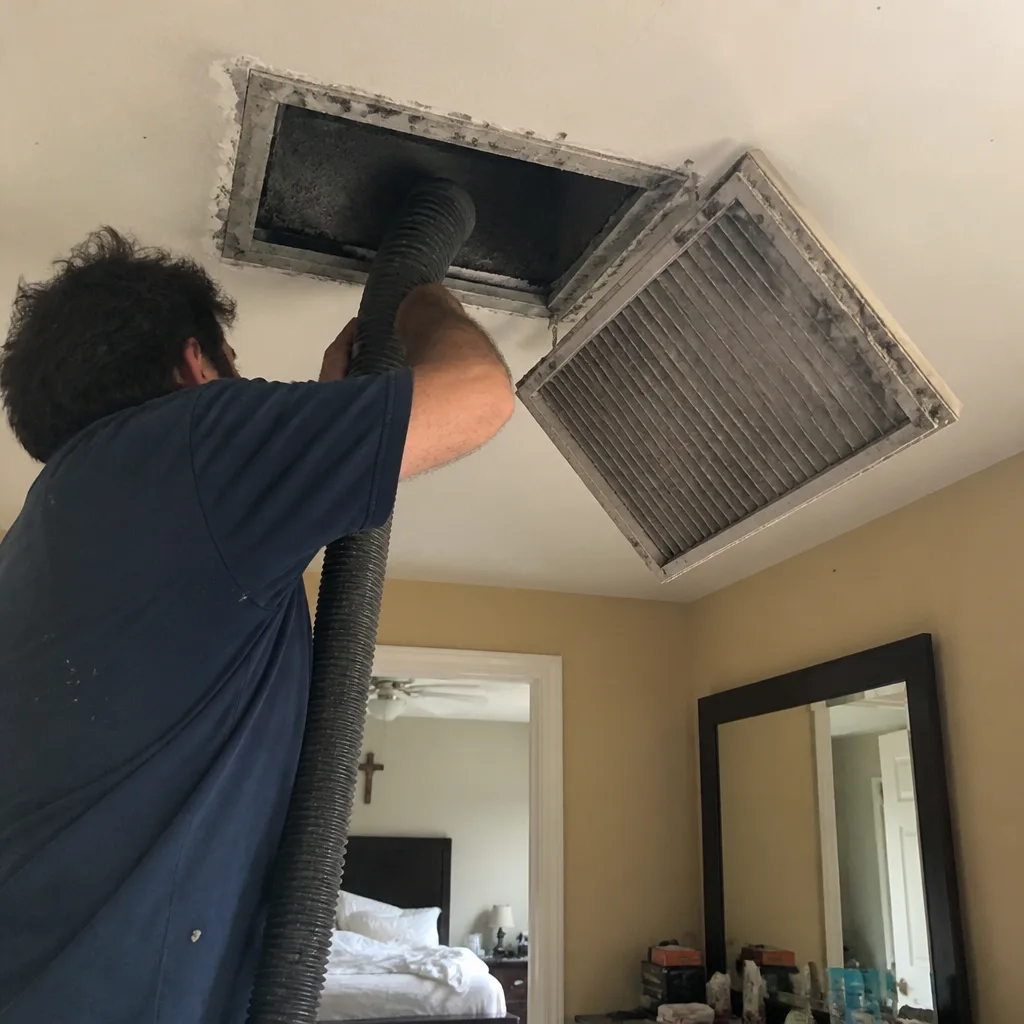 Before
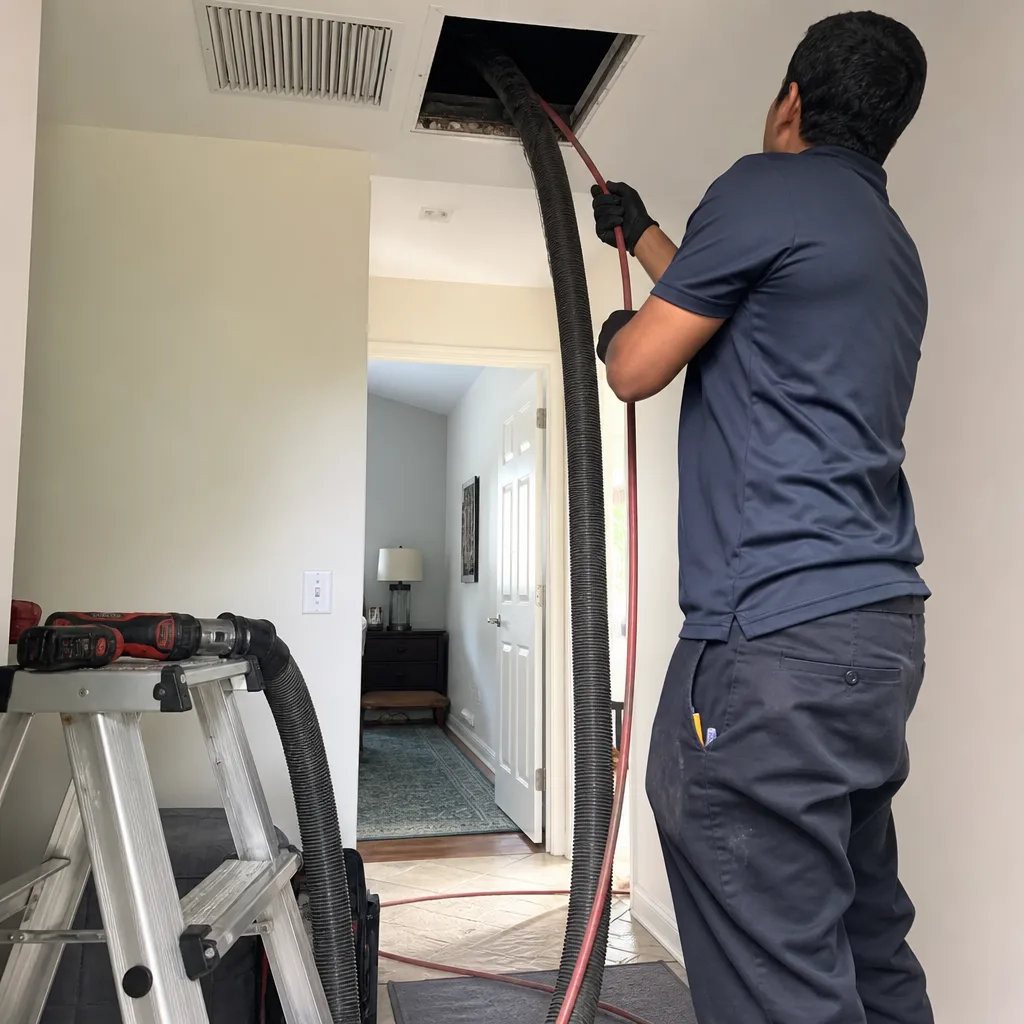 After
After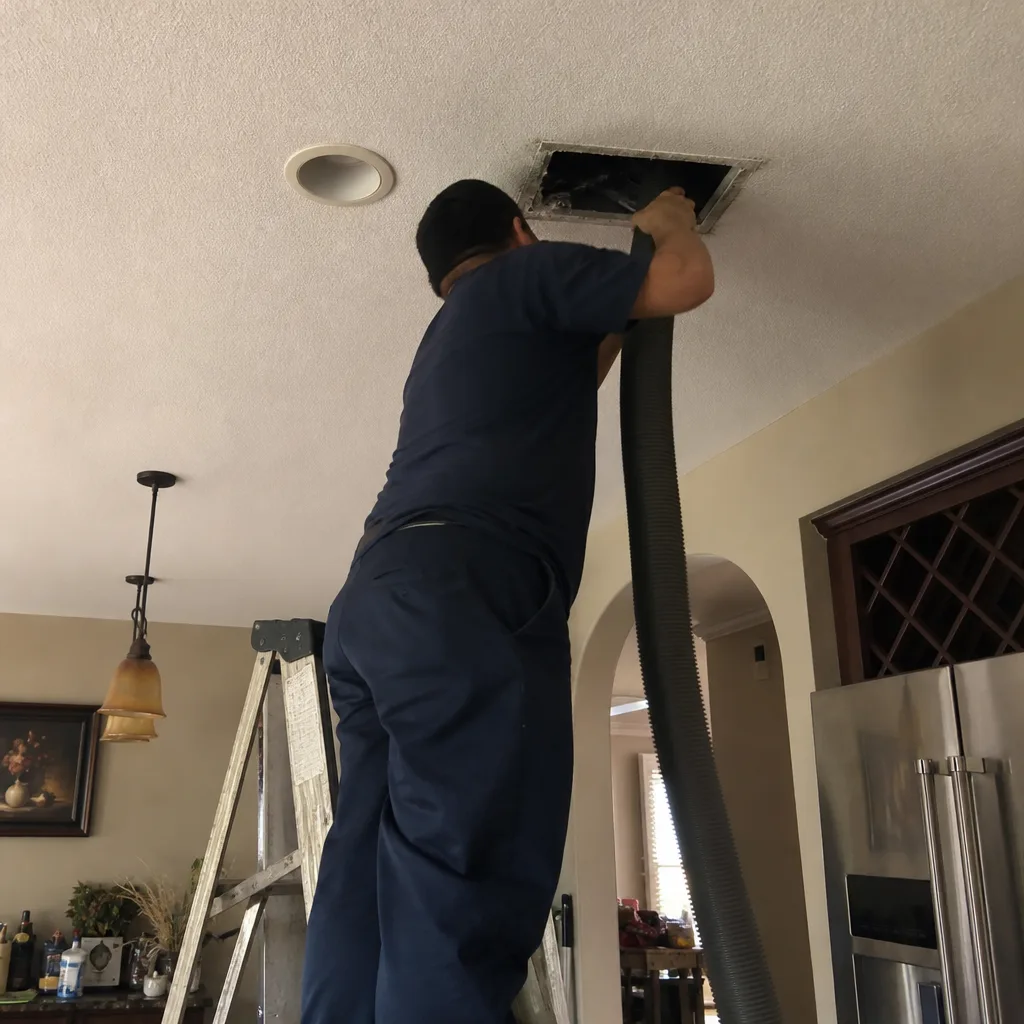 Before
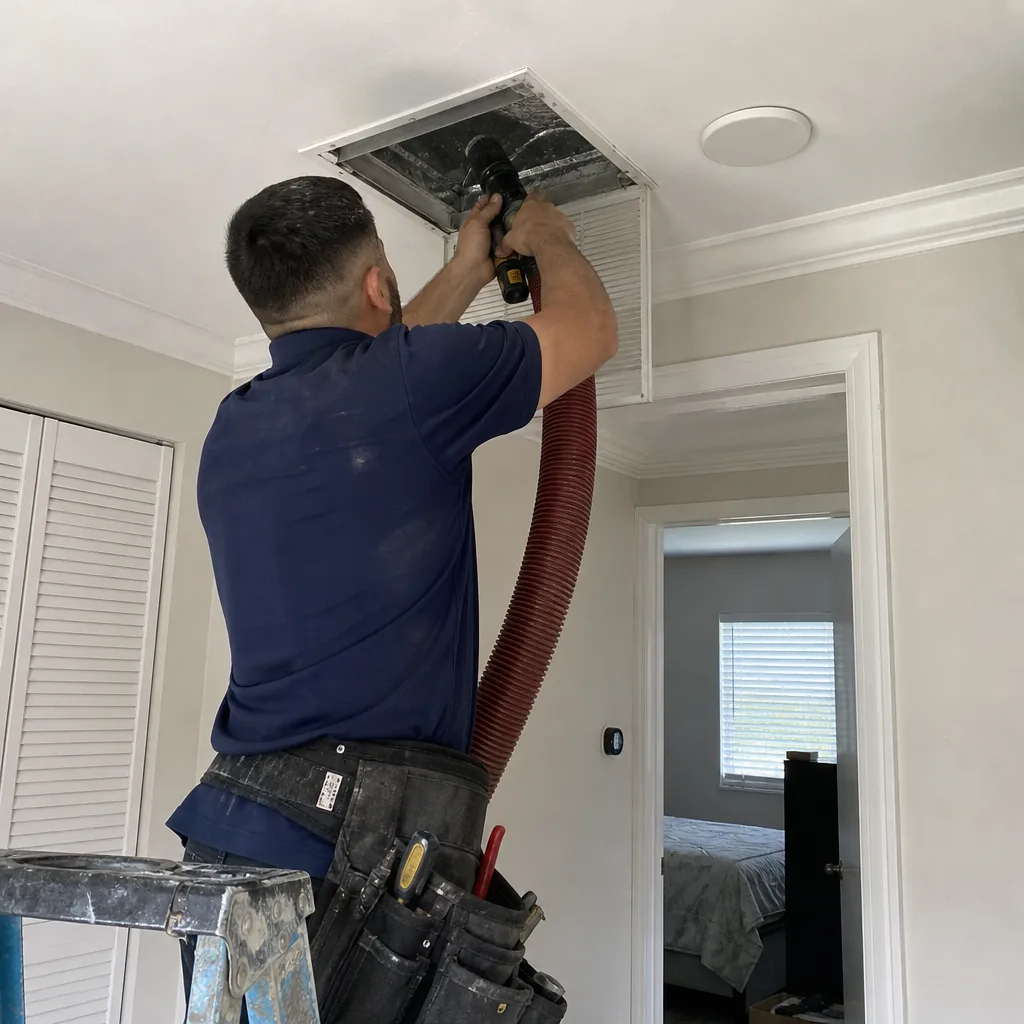 After
After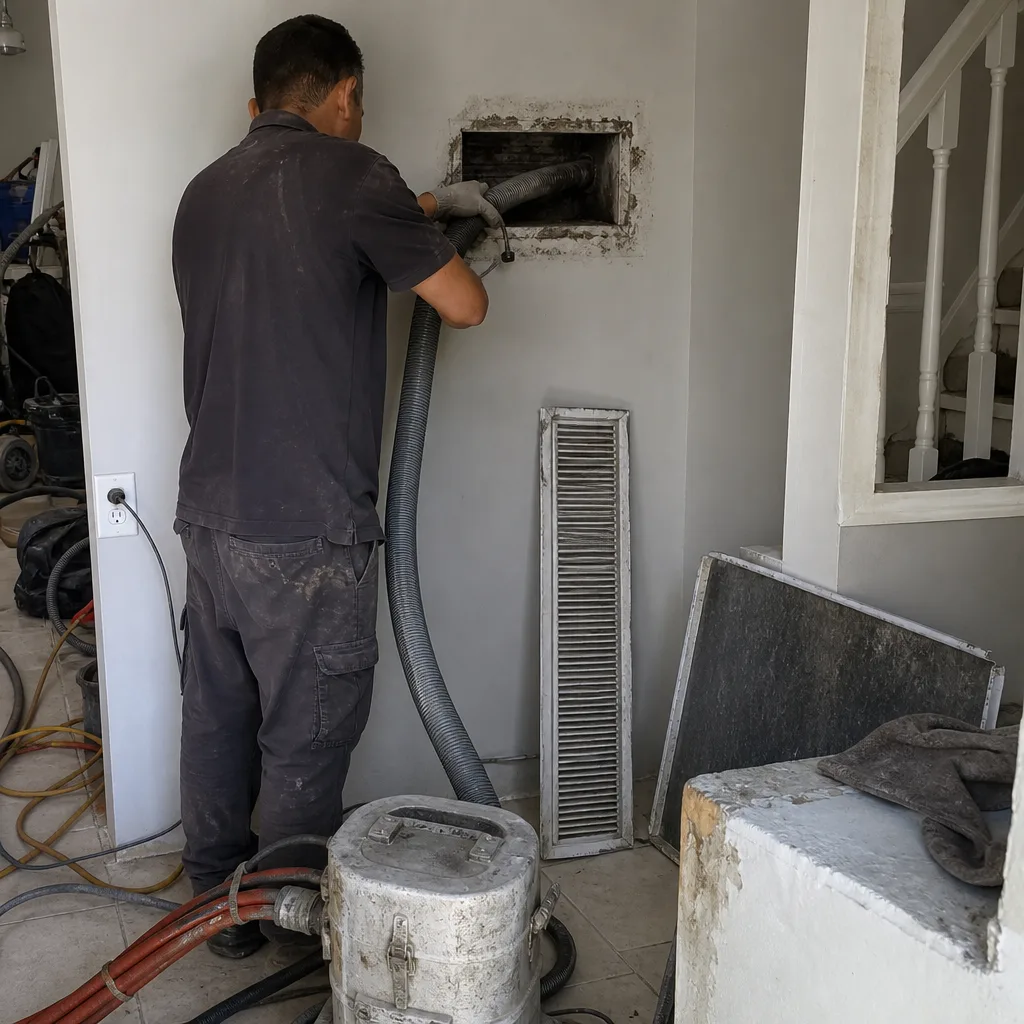 Before
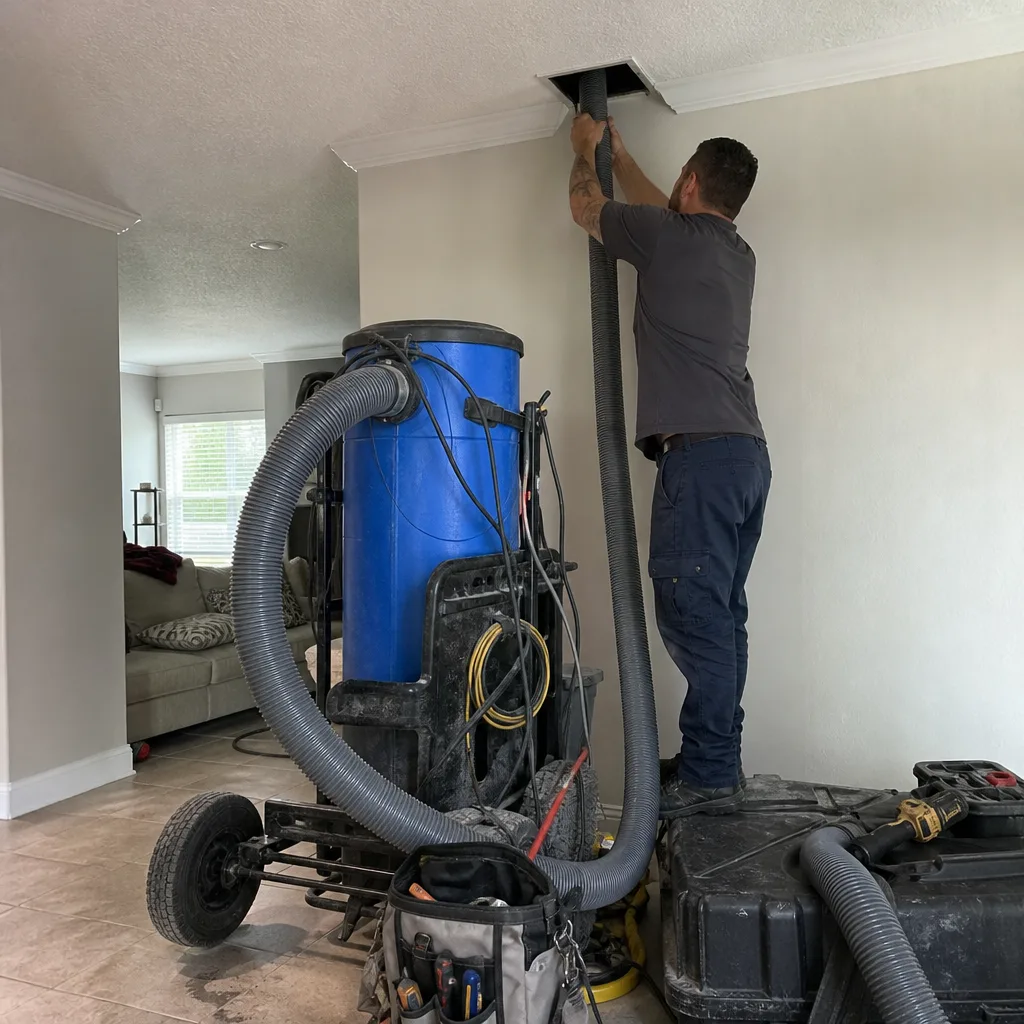 After
AfterReplacement Cost & What’s Included
In Miami, expect to pay between $260 and $520 for Nikro vent sanitizing replacement, installed. Your cost will land on the lower end if you need a single UV lamp swapped into a healthy fixture. It lands on the higher end when the ballast has failed or the full sanitizing module needs replacing, and it can move above that if the unit is a larger commercial model that requires a heavier lamp set.
Every quote from Hollis Air Duct Miami is a written price before we touch the unit, and that price does not move at the door. It includes the part, the labor, disposal of the old lamp or ballast, and testing the unit under load before we leave. The work is covered by our 365-Day Done Right Promise. If the sanitizing component fails within a year, we come back and make it right at no charge, including a free second visit. No fine print, no prorating, and no argument about whose fault it was.
DIY or Call Us?
There are a couple of things an owner can safely check before calling. Is the unit getting power at the outlet? Is the access panel still seated correctly? Is the data plate legible so you can read us the model and wattage? That’s about where we’d draw the line.
The sanitizing stage in a Nikro unit carries line voltage to the ballast and high voltage from the ballast to the lamp. You’re working inside a metal cabinet with an energized ballast, and a mistake there is a shock hazard, not a troubleshooting exercise. UV-C lamps also produce light that will damage your eyes and skin if fired outside the fixture. If the unit is under warranty, opening the sanitizing chamber yourself can also void the coverage. This is a job where the honest advice is to call someone who does it daily. Call (850) 660-3272 and we’ll match the part to your Nikro data plate before we ever run the service call.
FAQs
A Nikro UV-C lamp is rated for roughly 8,000 to 9,000 hours of output, but in Miami’s humidity and heat, most units we service need a lamp swap at the 6,500 to 7,000 hour mark. The contacts corrode faster in this climate, and when the contact resistance climbs, the lamp works harder and burns out sooner. We can read the hour meter on most Nikro units and tell you exactly where your lamp is in its lifespan. Call (850) 660-3272 if you need us to check yours.
No. A failed ballast is a replaceable component, not a repairable one, and a rebuilt or rewired ballast is a fire hazard inside a metal cabinet. We replace the ballast outright with either a Nikro OEM unit or a matched aftermarket equivalent. Call (850) 660-3272 for a written quote on your specific model.
Most Nikro vent sanitizing replacements take 45 minutes to an hour and a half, including testing the unit under load. If the ballast is buried deeper in the chassis on a large commercial unit, count on the longer end of that range.
We stock the most common Nikro UV lamps in 14, 25, and 36 watt lengths, plus matched ballasts and sanitizing modules, on our trucks here in Miami. We also stock compatible parts for Lennox, Trane, and Carrier vent sanitizing systems. If your Nikro needs a module we don’t carry, we’ll tell you on the phone before we ever dispatch a truck, so you’re not paying for two visits.
Written by Roy Castellanos, Owner, Hollis Air Duct Miami at Hollis Air Duct Miami, serving Miami and nearby areas.