
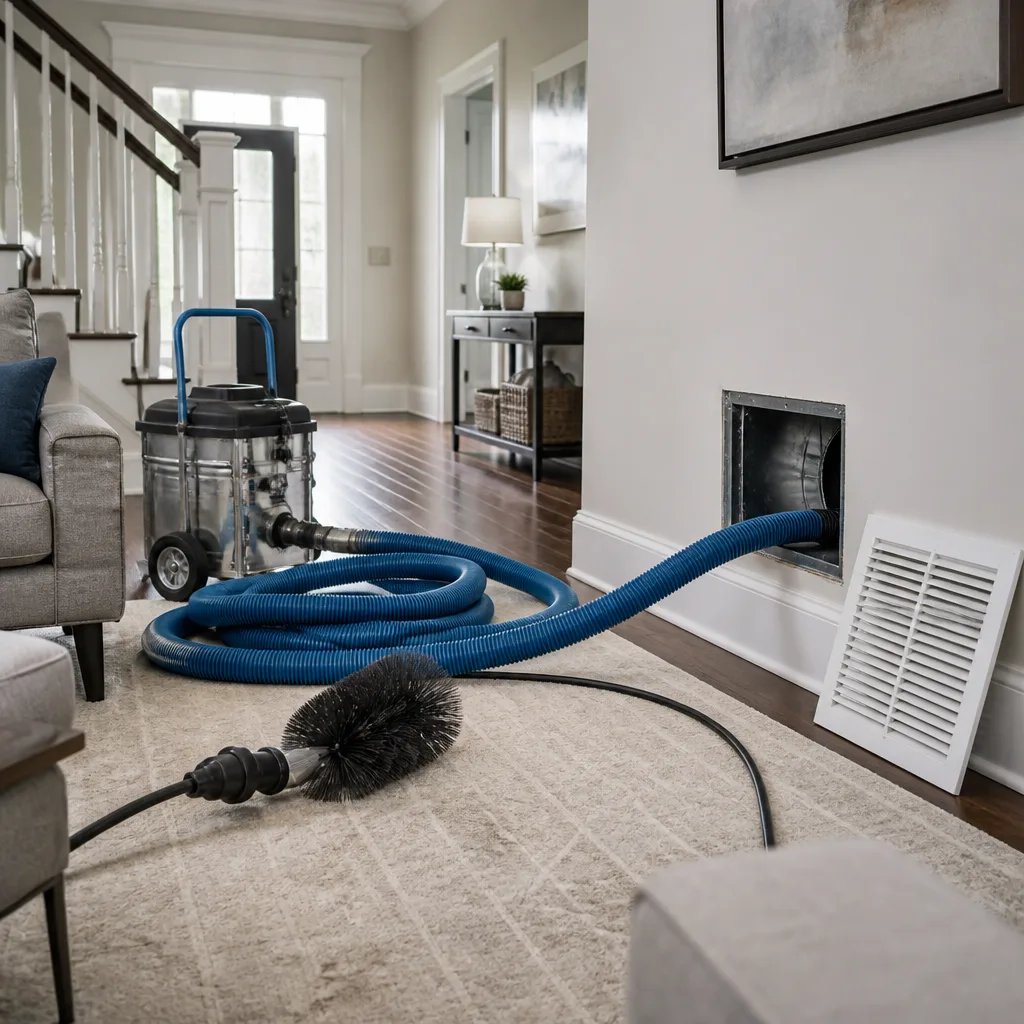
 Whole-home duct cleaning
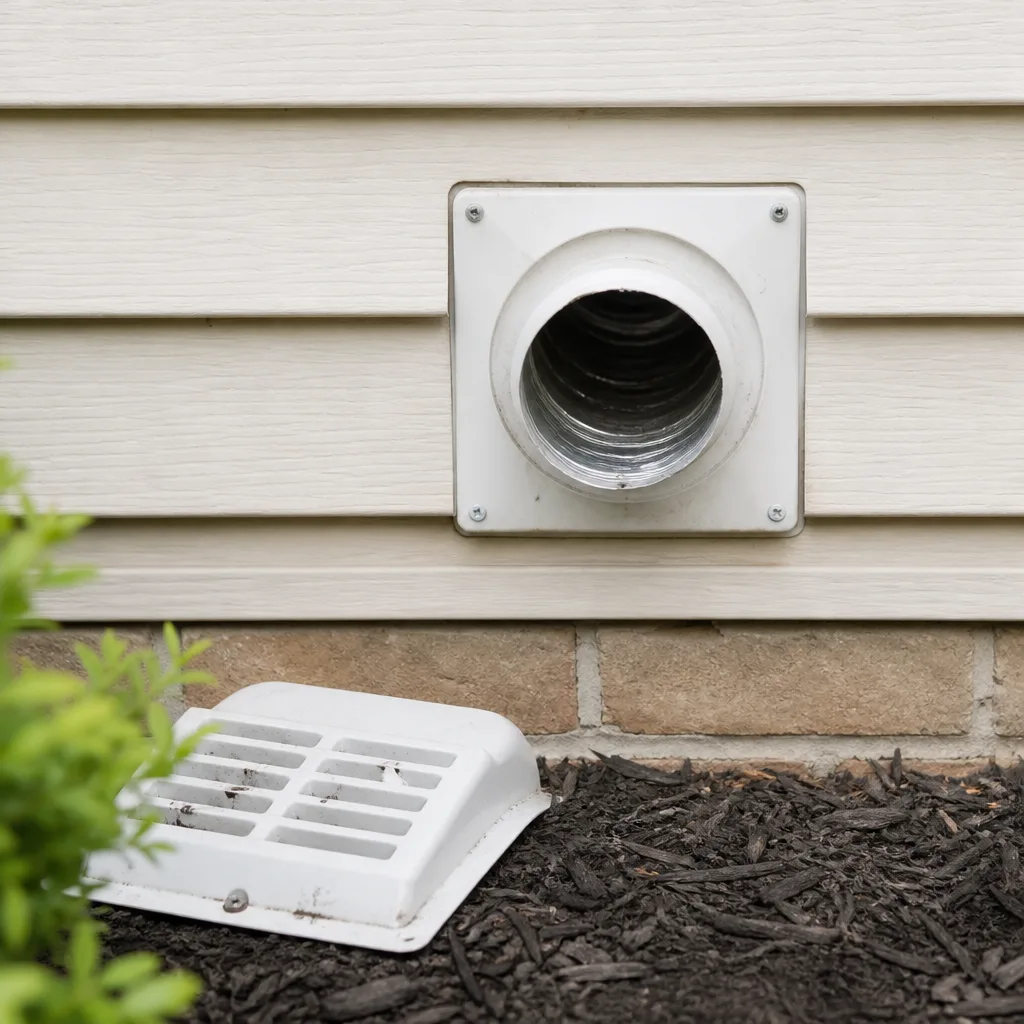 Dryer vent cleaning
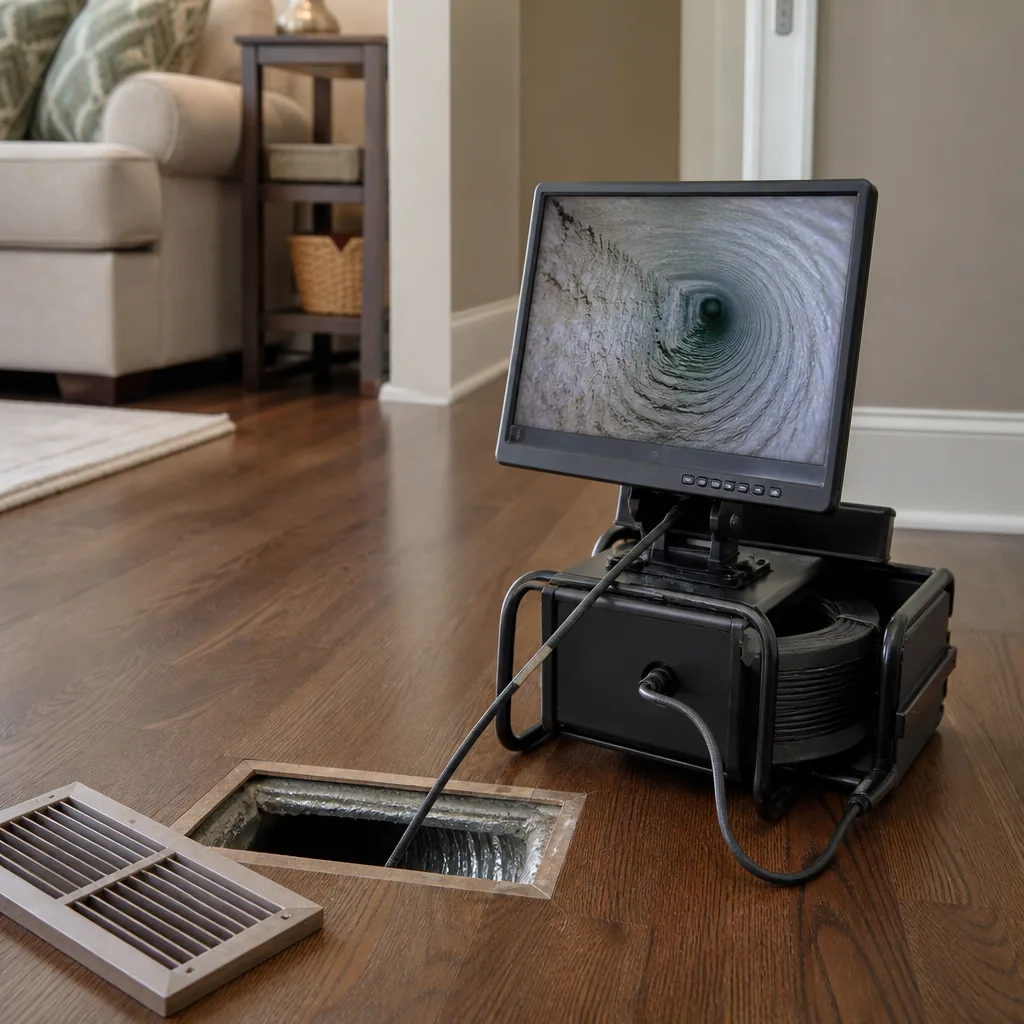 Camera inspection
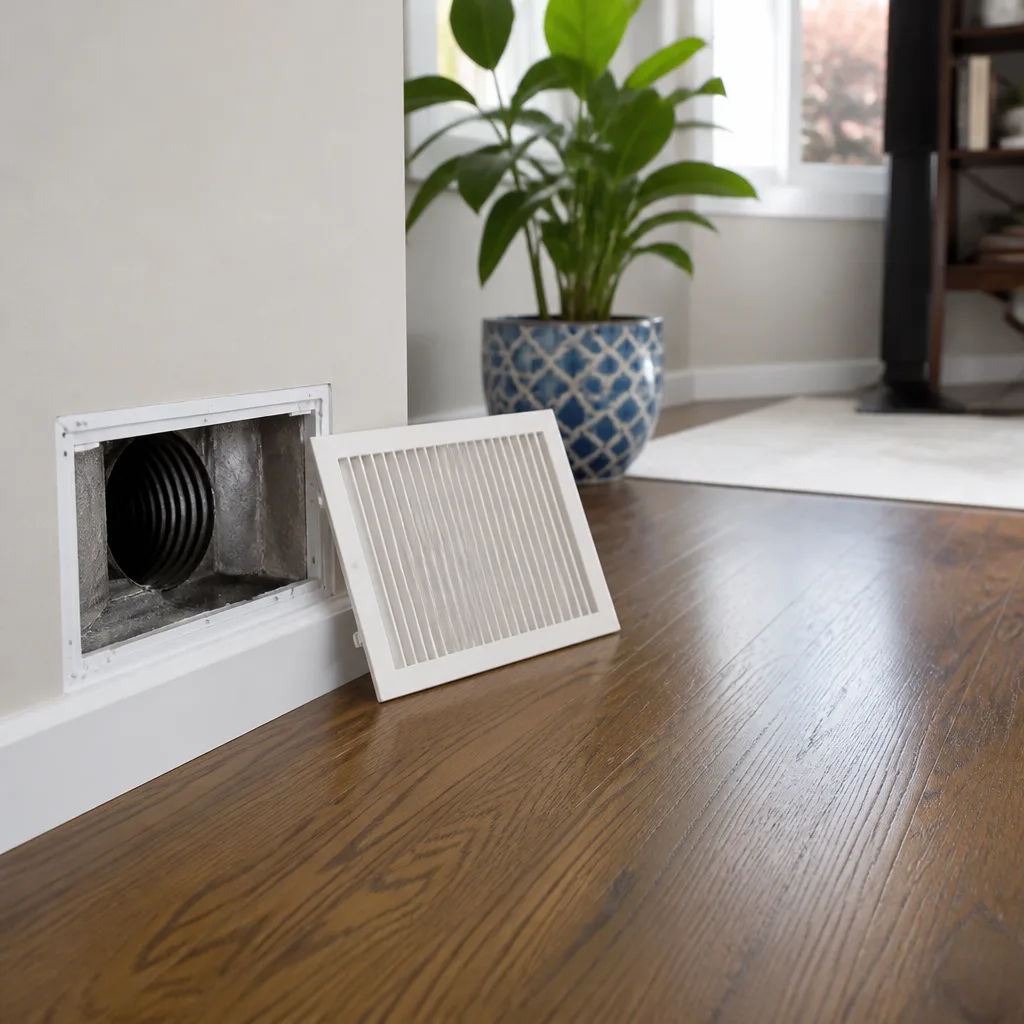 Sanitizing & deodorizing
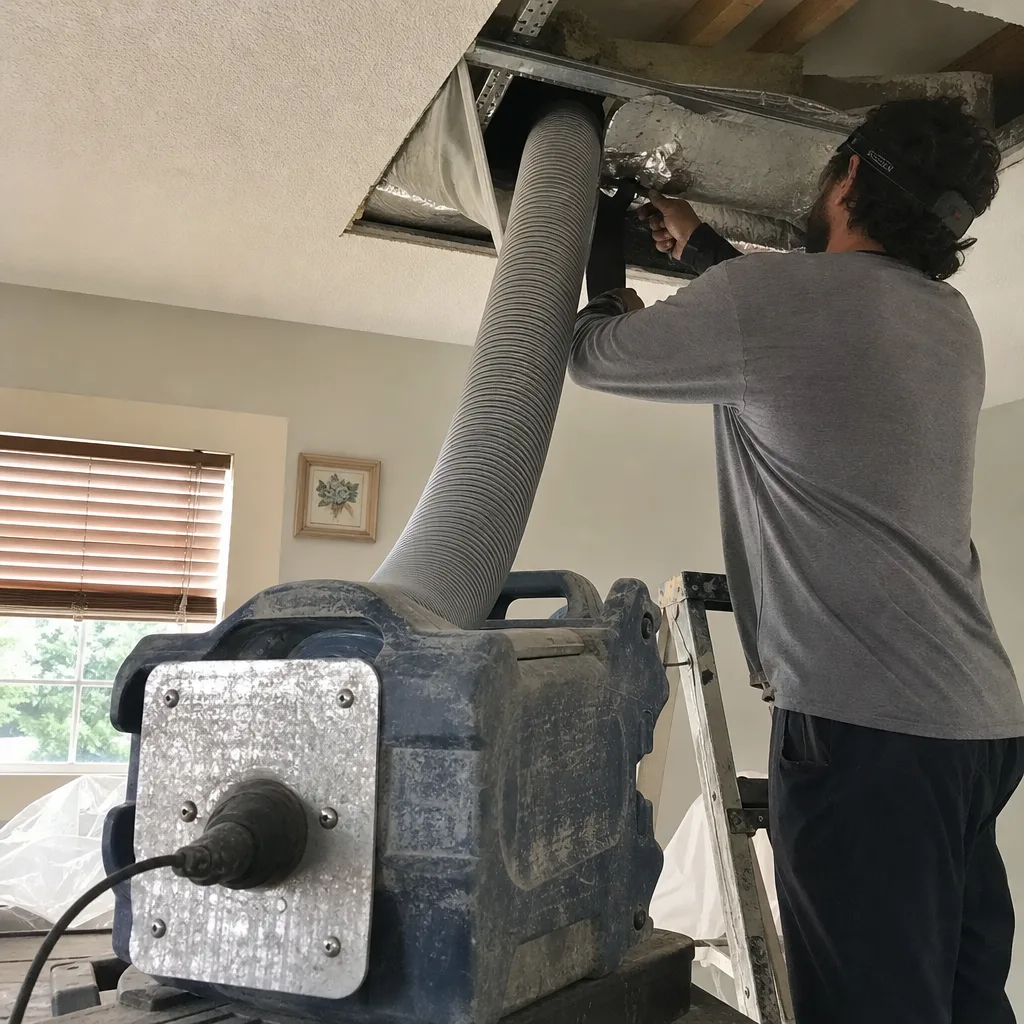
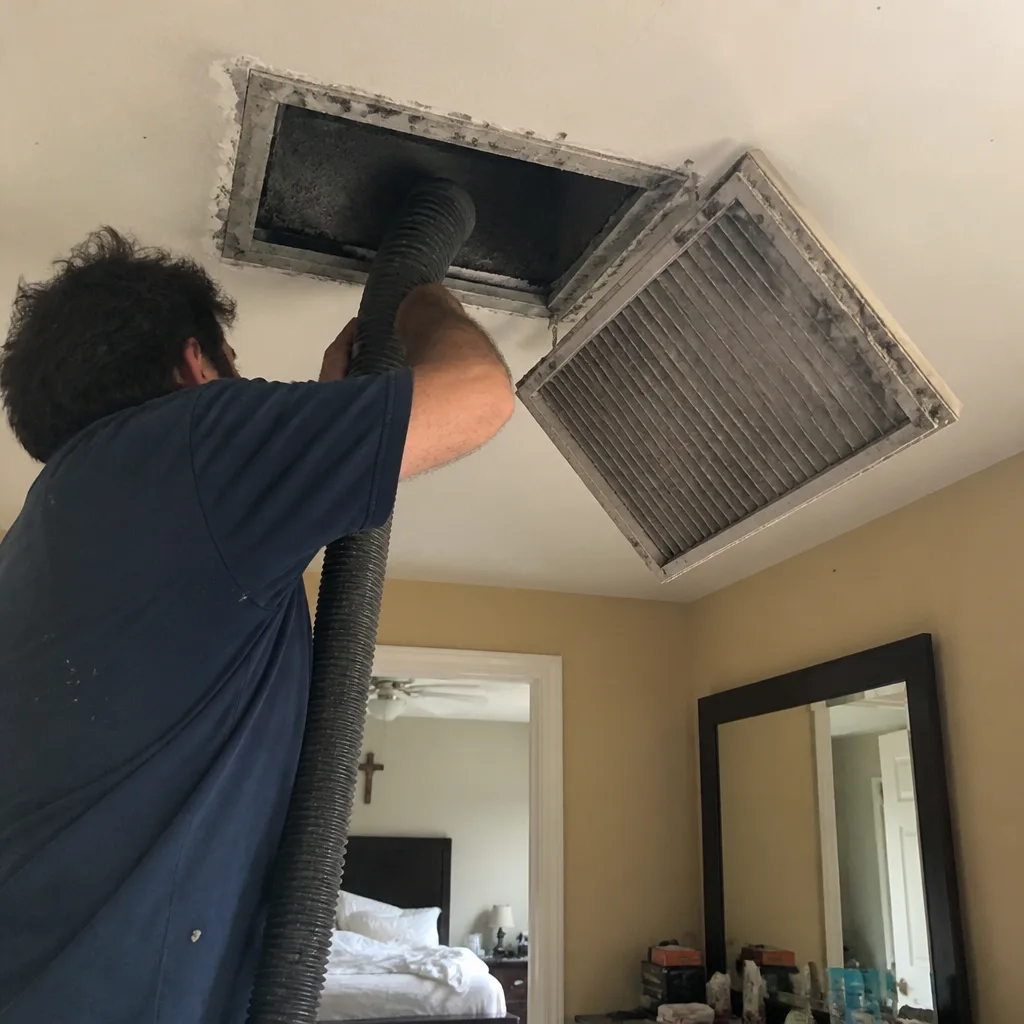
Whole-system duct and dryer vent check with before-and-after photos - you see exactly what came out of your vents
That "$99 whole-house special" is a bait ad - the real number appears once they are in your hallway, or the "clean" is a shop-vac at the register. We photograph the inside of your ducts before and after instead.
Honeywell Duct Sealing & Repair: The Miami Owner’s Guide
We stock and install Honeywell-compatible duct sealing components across Miami, with most sealing and repair jobs running between $450 and $1,200 depending on how much of the system has opened up. Same-week scheduling is standard for us, and we carry the common Honeywell duct mastics, tapes, and sealants on the truck so we’re not driving back and forth across the city. Most Miami homeowners discover they need duct sealing the hard way: a bedroom that never cools, a power bill that climbs every summer, or dust accumulating on furniture within days of cleaning. The Honeywell products we work with are built to hold up in Florida humidity, but even good materials fail when the ductwork behind them shifts, sags, or separates in an attic that hits 140 degrees in August.
Key takeaways:
- Honeywell duct sealing and repair in Miami typically costs $450 – $1,200 installed, depending on system size and access.
- We stock Honeywell-compatible mastics, tapes, and sealants on the truck for most residential jobs.
- Every job gets a written price before we touch anything, and the work is covered by our 365-Day Done Right Promise.
- We also carry sealing parts and compatibility options for Lennox, Trane, and Carrier systems when a full match isn’t available in Honeywell’s current line.
Which Honeywell Models This Applies To
Honeywell’s duct sealing line covers a few distinct categories, and the right part depends on which one you have. The most common we see in Miami homes are Honeywell’s mastic sealants (water-based duct mastic rated for sheet metal and flex duct connections), UL 181-rated foil tapes used on seams and joints, and the aerosol-based sealing kits Honeywell distributes for whole-system pressurization sealing. If you have a Honeywell air cleaner, humidifier, or ventilation unit integrated into the ductwork, the sealing parts are usually a standard mastic or tape application at the connection points, not a proprietary Honeywell-only component.
The compatibility gotcha worth knowing: Honeywell’s aerosol sealant systems are designed for ductwork with accessible main trunks and a blower that can push 1.5 to 2.0 inches of water column. Older Miami homes in neighborhoods like Shenandoah or Little Havana often have undersized returns or blocked registers that make aerosol sealing less effective, which is why we inspect before quoting that method. If you’re trying to identify what you have, look for a white or gray mastic bead at duct joints (Honeywell mastic dries to a rubbery, non-cracking finish), or a foil tape with Honeywell branding printed on the release liner. For OEM versus aftermarket: Honeywell-branded sealing materials are solid, but there are quality equivalents from Hardcast and Design Polymerics that match or beat Honeywell specs at a lower cost. We’ll quote honest options either way, and we don’t mark up parts into the stratosphere just because the truck is already at your house.
Styles & brands we work with
Signs Your Honeywell Duct Sealing & Repair Is Failing
- Rooms that won’t hold temperature. Sealed ducts deliver conditioned air where it’s supposed to go. When a Honeywell mastic bead cracks or a taped seam separates, air leaks into the attic or chase, and the rooms at the end of the run starve. This is the number one complaint we hear in Coral Gables homes with older duct systems.
- Dust on furniture three days after cleaning. Leaking return ducts pull attic air, insulation particles, and drywall dust into the supply stream. If you’re dusting more than once a week in Brickell, the return side is usually pulling unfiltered air through a failed seal.
- Higher summer cooling bills without a hotter thermostat setting. Leaky ducts in a Miami attic leak cooled air into a 130-degree space. FPL doesn’t care why your AC runs longer; it just bills you. We check sealing integrity on every duct inspection because the math on a 15 to 20 percent leak rate translates to real dollars every month.
- You can feel air moving near duct joints. In accessible attics or closets, a separated Honeywell taped seam will blow air you can feel with your hand. This is the easiest one for a homeowner to spot, and it’s worth checking before calling anyone.
- Whistling or hissing near registers. Air escaping through a failed seal makes noise when it has to squeeze through a small gap. If you hear it, the seal has already opened; it won’t reseal itself, and Miami humidity accelerates the tape adhesive breakdown from the outside in.
Roy Castellanos runs our Miami crew, and he’s got a saying that applies here: “If you can’t explain the job plainly, you probably shouldn’t be doing it.” Duct sealing is not complicated work when it’s done right, but it requires getting into the attic or crawl, finding every failed joint, and actually fixing it, not just painting over the problem.
See the difference
 Before
 After
After Before
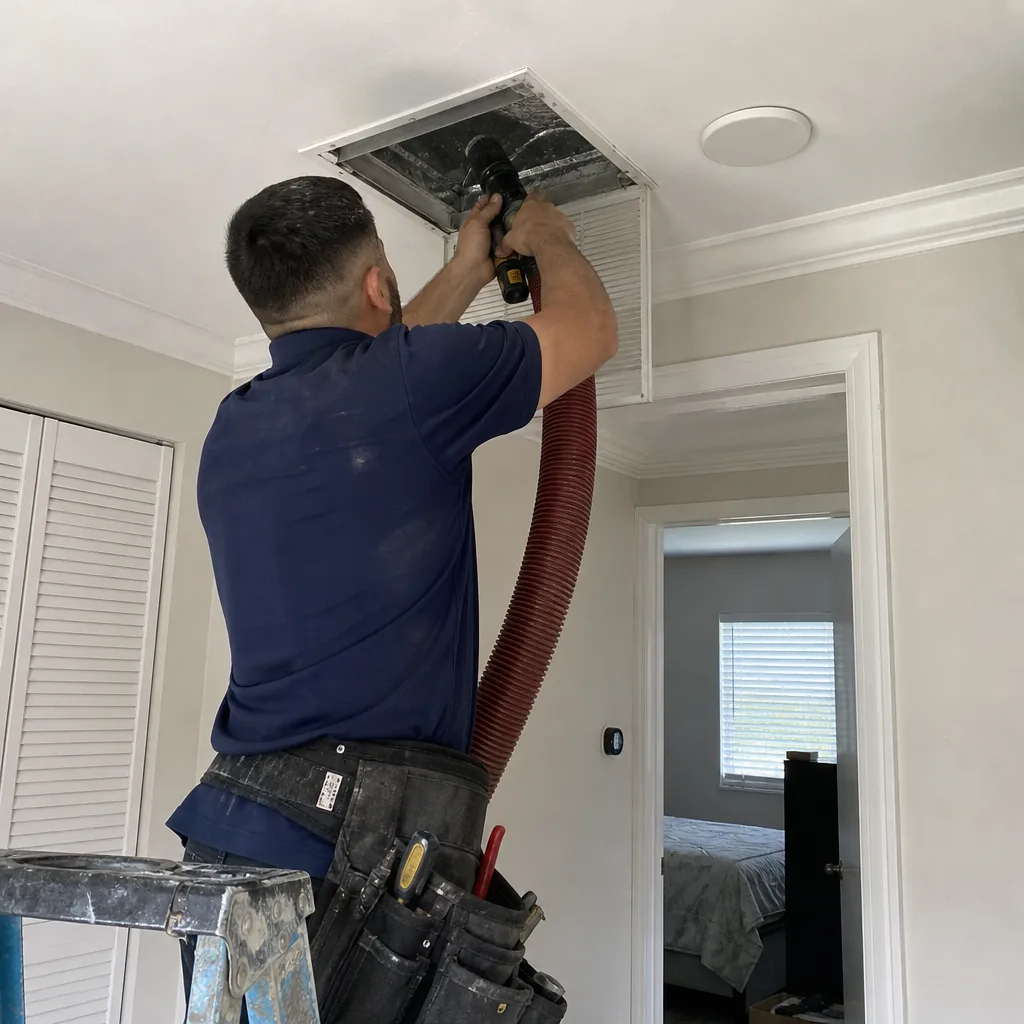 After
After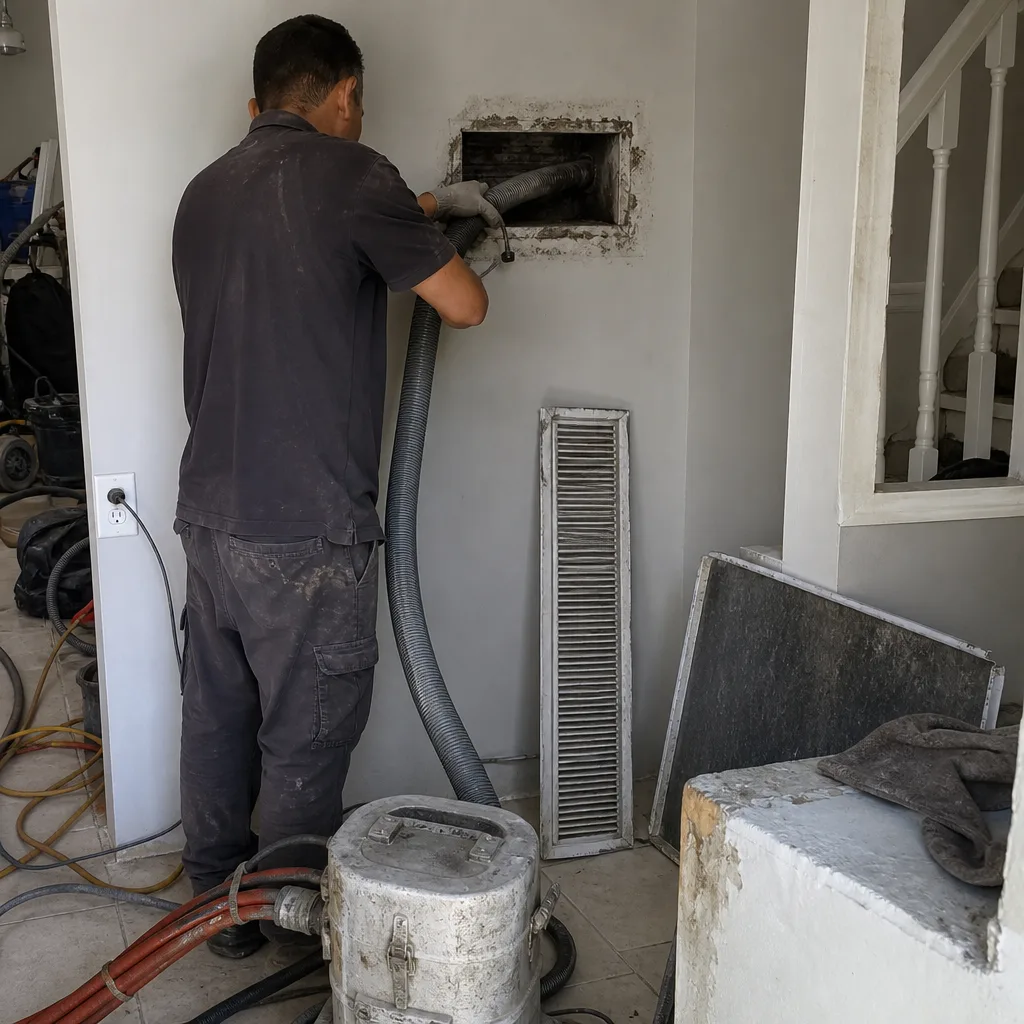 Before
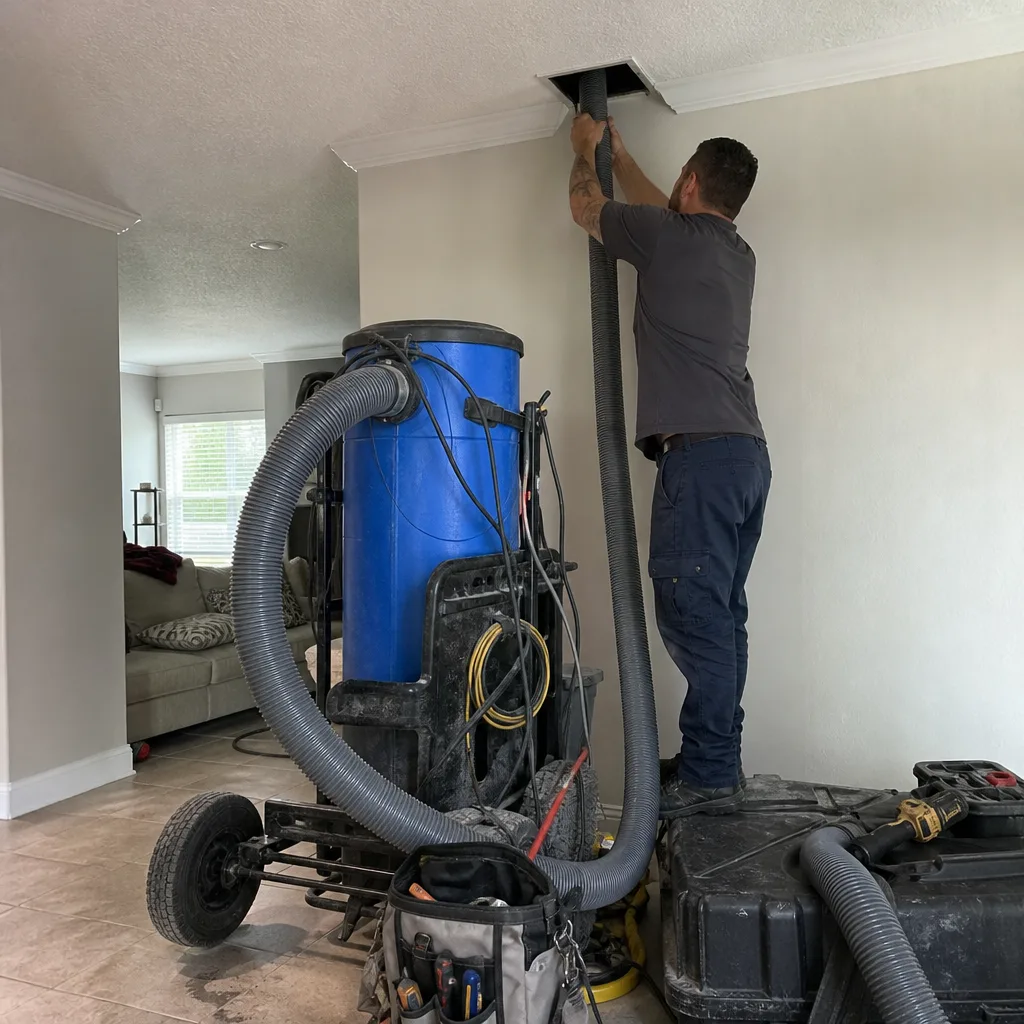 After
AfterReplacement Cost & What’s Included
| Job Type | Typical Miami Installed Price | What’s Covered |
|---|---|---|
| Single joint or seam repair | $150 – $300 | Mastic or UL 181 tape, cleanup of old material, seal verification |
| Multiple joints / moderate leakage | $350 – $650 | Up to 8 – 10 joints sealed, mastic applied to spec, access for inspection |
| Full-system duct sealing | $800 – $1,200 | Every accessible joint sealed, before/after photos, airtightness check |
| Aerosol-based sealing (larger systems) | $1,000 – $1,800 | Whole-system pressurization sealing, pre/post leakage measurement |
These prices include labor, materials, and our written warranty on the repair work itself: 365 days, and if something fails, we come back at no charge, including a free second visit. The range exists because access matters a lot in Miami. A single-story ranch in Kendall with a walkable attic is a different job than a two-story in Coral Gables with a tight chase and ductwork snaked through knee walls. We write the price down before we start and that number does not move. If we find more than the quote covered when we’re inside, we stop, show you what we found, and re-quote before we touch another joint.
DIY or Call Us?
There are things a homeowner can safely check and things that go wrong fast when duct work opens up. Safe to check: visible duct connections in your attic or utility closet. You can look for cracked or peeling mastic, separated tape seams, and feel for air moving where it shouldn’t. You can also check your air filter: a clogged filter raises static pressure, which stresses every seal in the system and accelerates failure. What you shouldn’t DIY: anything requiring you to move flex duct or open plenums while the system is running, and anything involving aerosol sealants, which require blower calibration and pressure measurement to do correctly. A bad DIY seal job means you pay us to undo it and then redo it right. Duct sealing itself isn’t dangerous in the way a spring under tension is, but it’s unpleasant, hot work, and in a Miami attic in July it’s not where most people want to spend a Saturday. If you’d rather have it done once and forget about it, call (850) 660-3272 and we’ll give you a written quote before anything gets touched.
FAQs
In Miami’s attic conditions, expect 8 to 15 years from a properly applied Honeywell mastic or tape seal before the heat and humidity start breaking down adhesion. Ductwork in unconditioned attics cycles between 70 and 140 degrees every day during summer, and that thermal cycling is what eventually cracks mastic beads and separates tape. Seals in conditioned spaces or shaded chases last longer. We’ll tell you honestly when we inspect whether your existing sealing looks like it’s holding or needs attention.
Most failed sealing can be repaired without replacing ductwork, as long as the duct itself is structurally sound. We scrape away the failed mastic or tape, clean the joint surface, and apply fresh sealing material that’s rated for the same temperature and humidity range. Full replacement is only necessary when the duct material itself has deteriorated or collapsed. Call (850) 660-3272 and we’ll tell you which situation you have before quoting anything.
A single joint repair takes 30 to 60 minutes. A multi-joint sealing job takes half a day. Full-system sealing with aerosol usually runs a full day including setup, measurement, and cleanup. We’ll give you a window before we arrive and we stay inside it.
We keep Honeywell-compatible mastics, UL 181 tapes, and sealants on the truck for most residential jobs. For Honeywell-specific aerosol sealing components or less common connection hardware, we can typically source from our Miami suppliers within one to two business days. If your system also needs compatible parts from another brand, we stock options for Lennox, Trane, and Carrier systems as well.
Written by Roy Castellanos, Owner, Hollis Air Duct Miami at Hollis Air Duct Miami, serving Miami and nearby areas.