
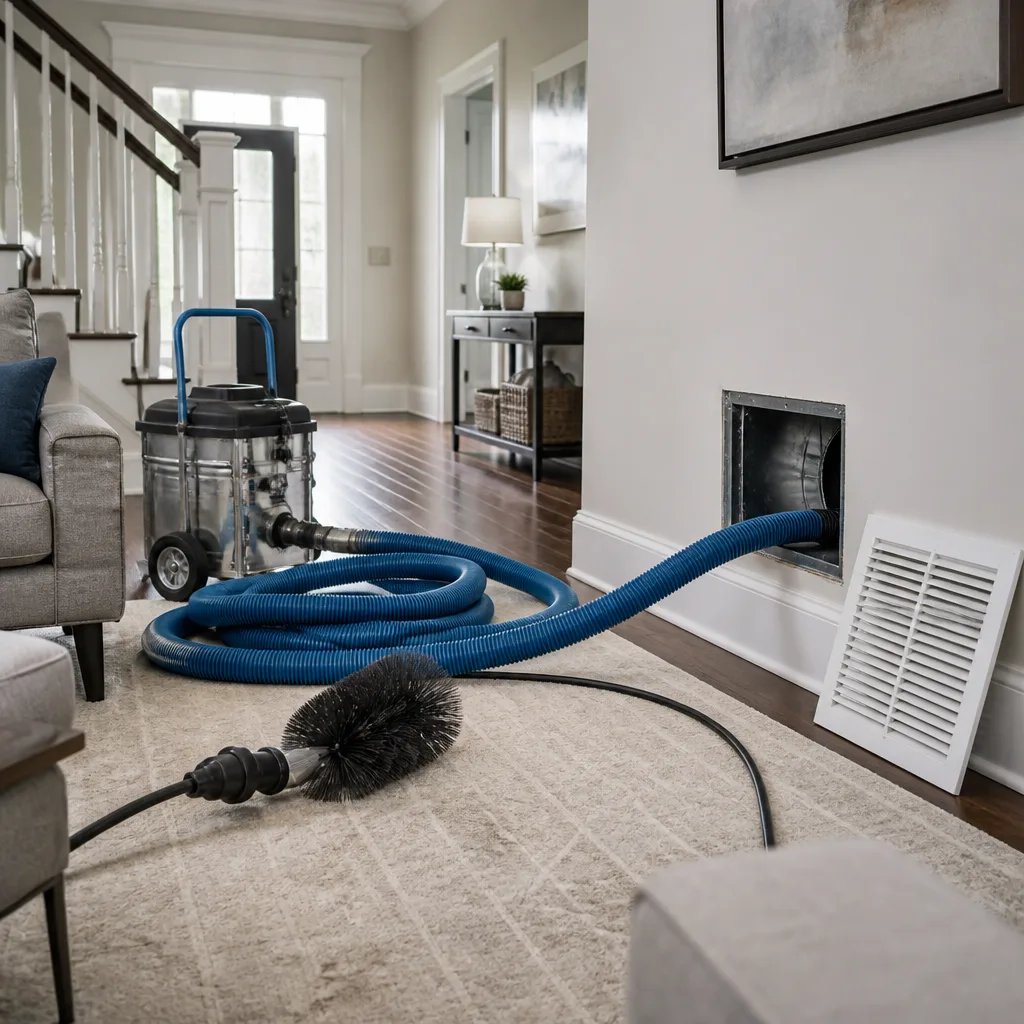
 Whole-home duct cleaning
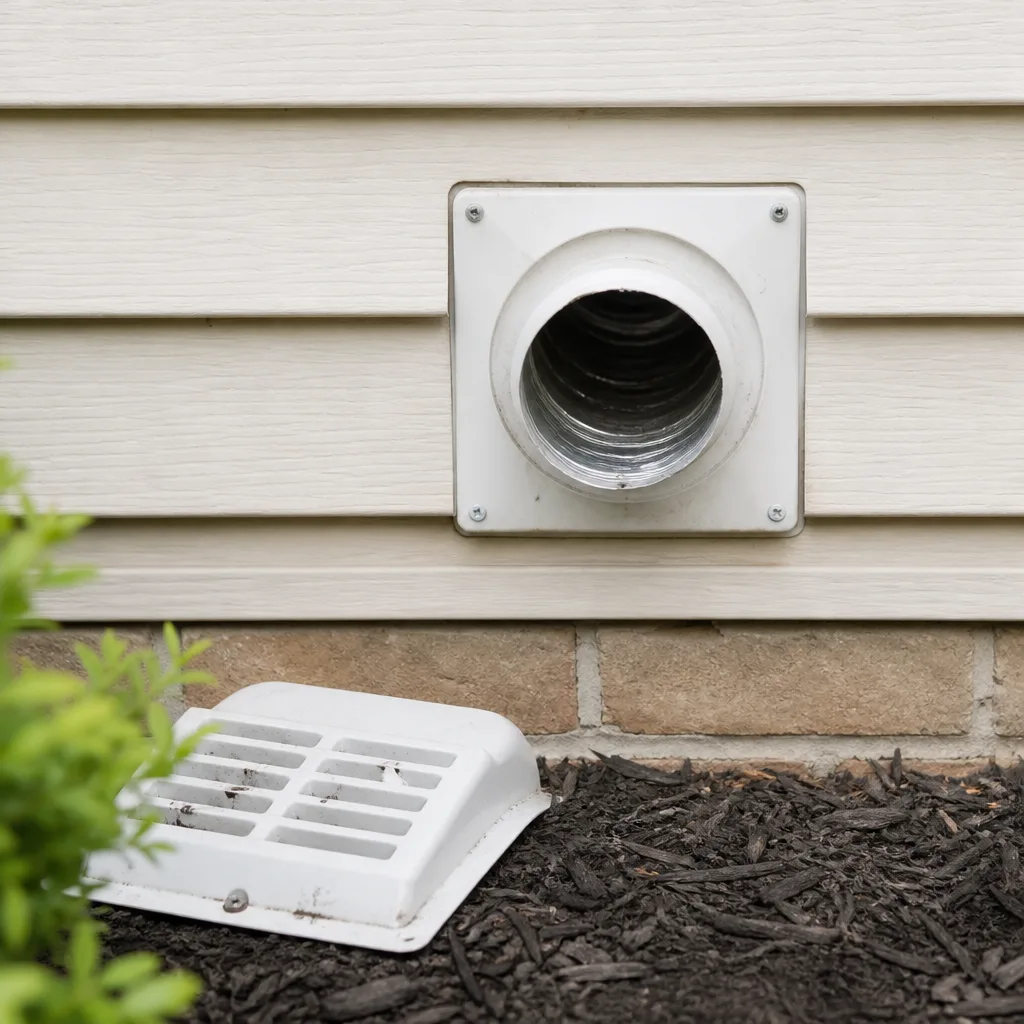 Dryer vent cleaning
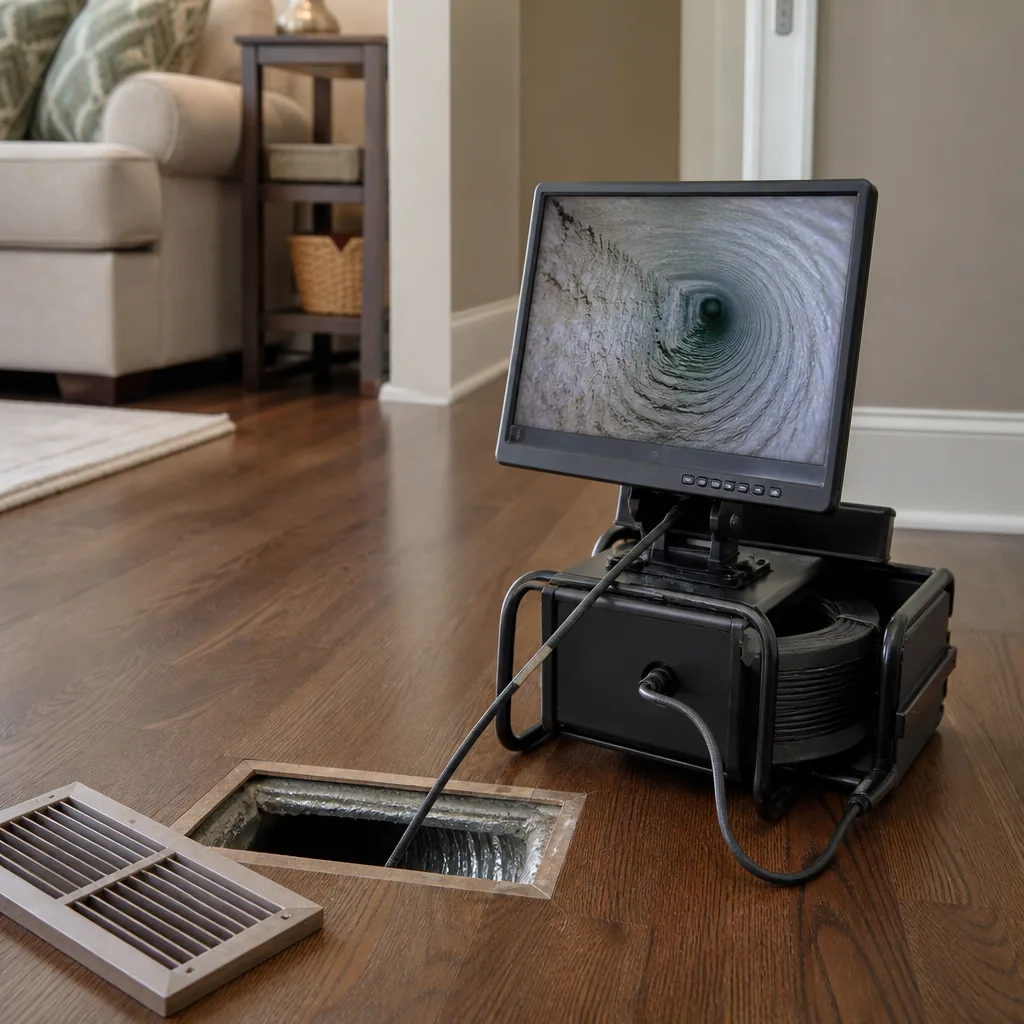 Camera inspection
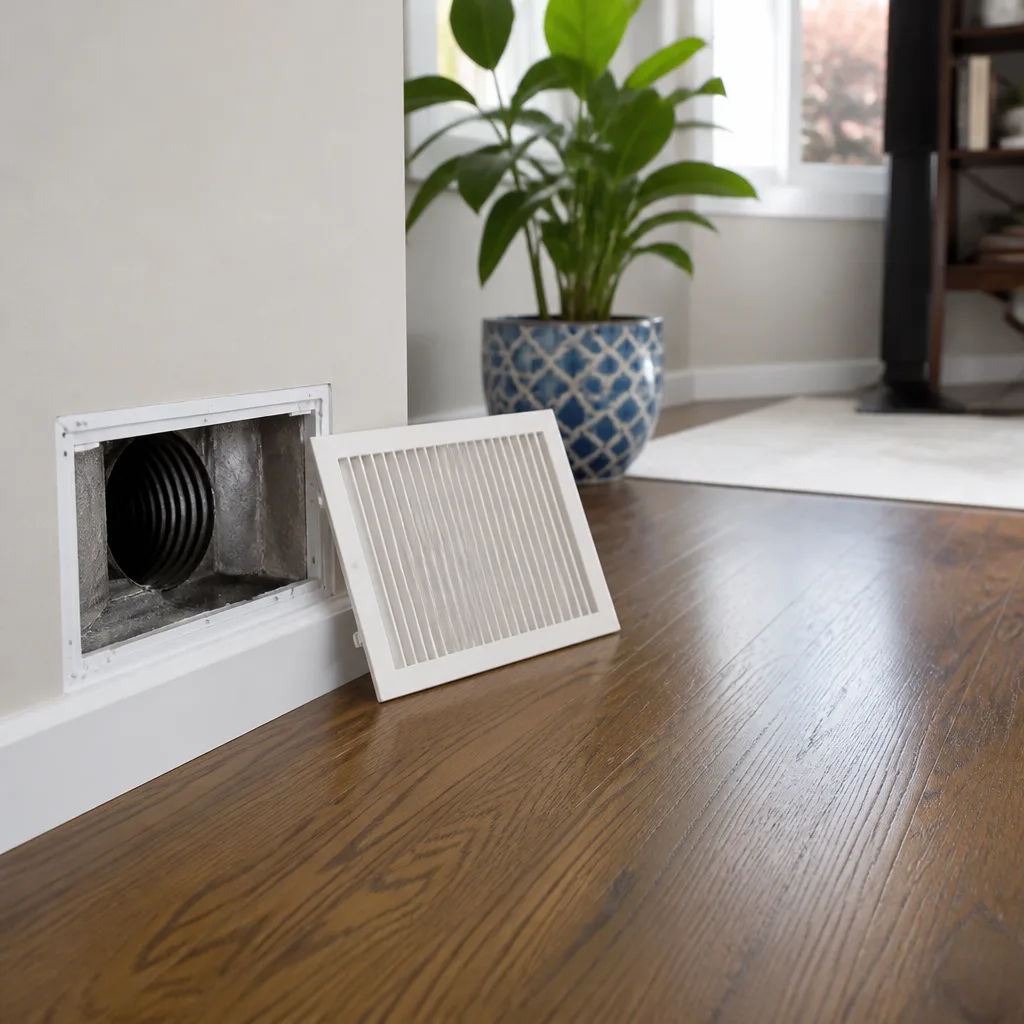 Sanitizing & deodorizing
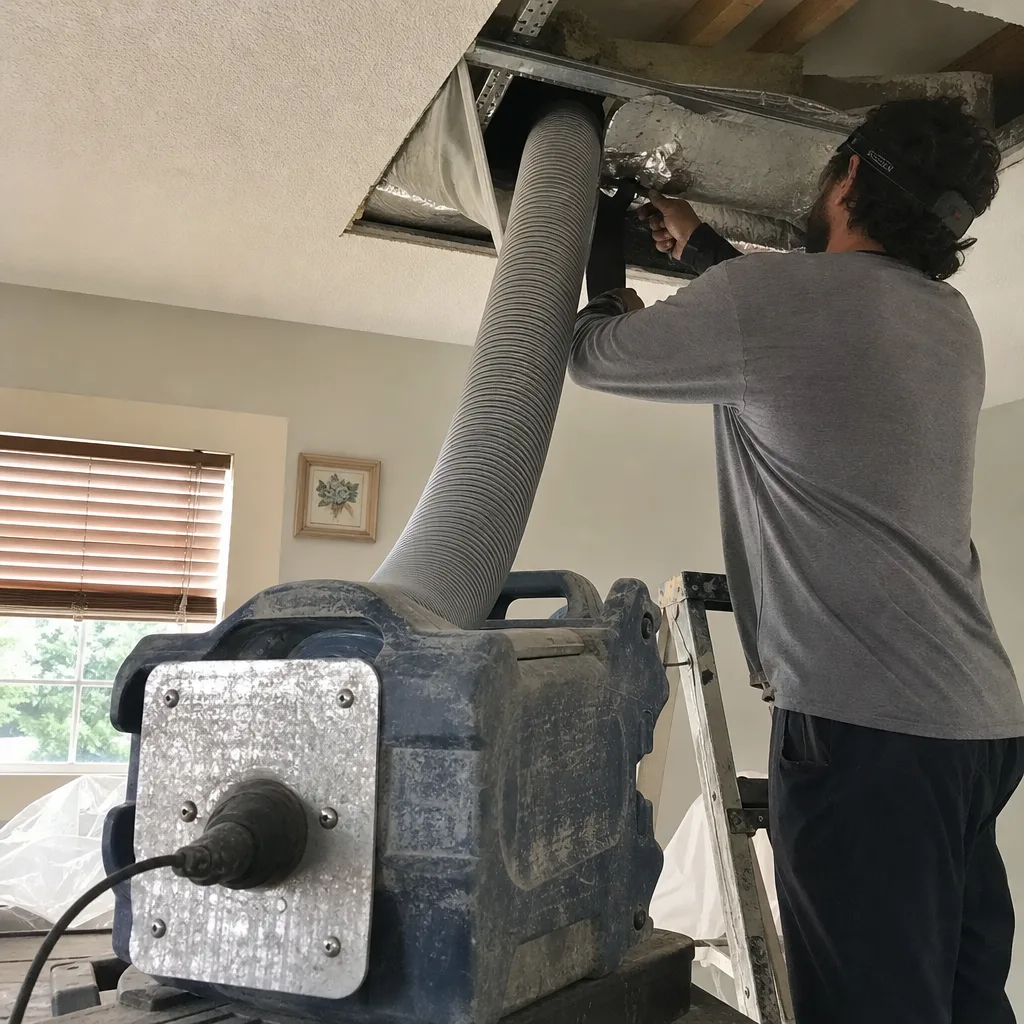
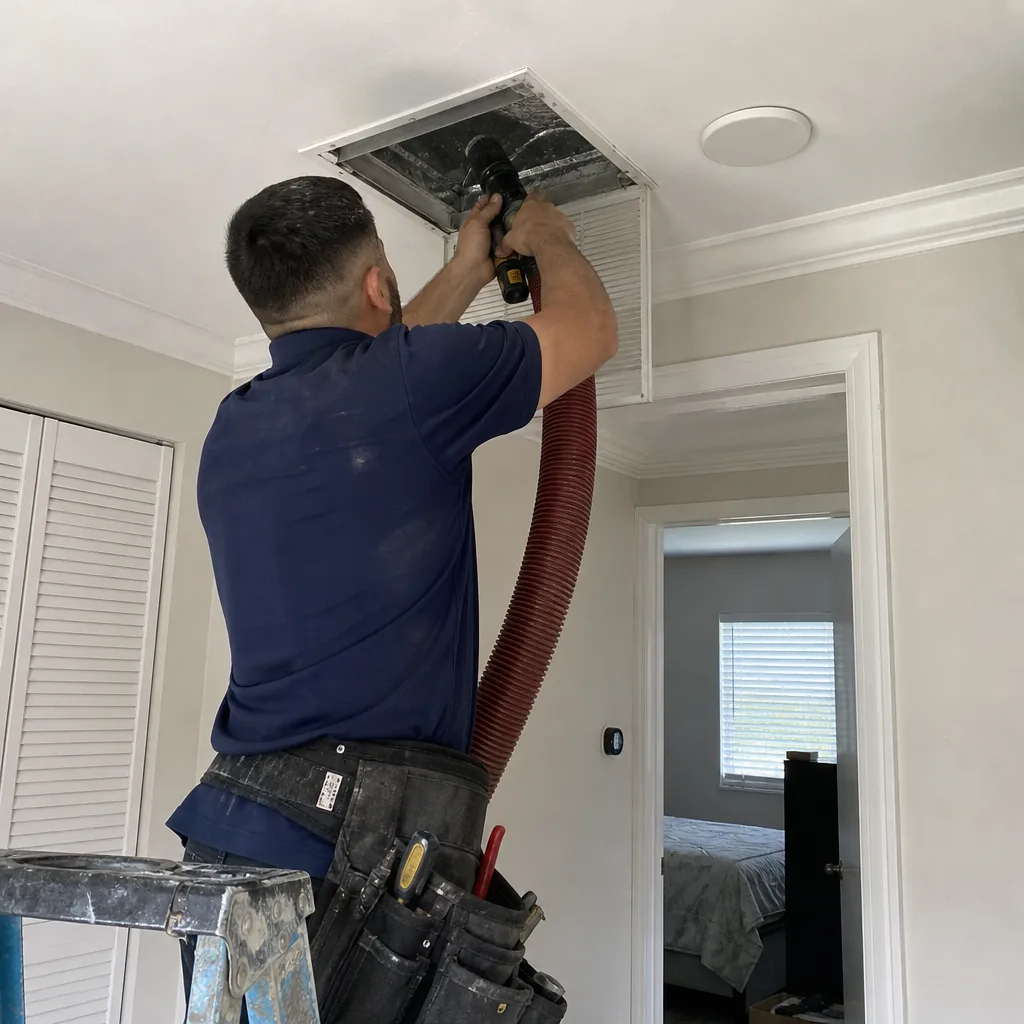
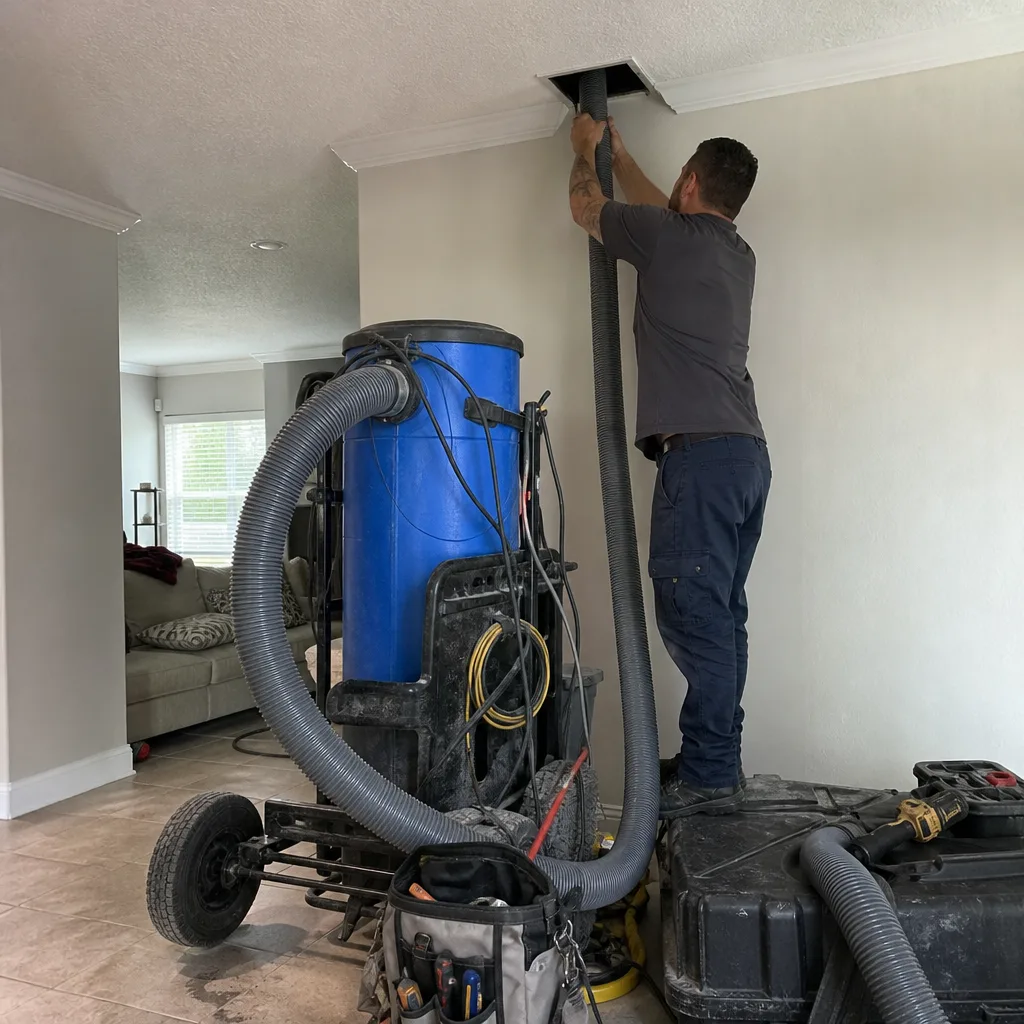
Whole-system duct and dryer vent check with before-and-after photos - you see exactly what came out of your vents
That "$99 whole-house special" is a bait ad - the real number appears once they are in your hallway, or the "clean" is a shop-vac at the register. We photograph the inside of your ducts before and after instead.
Guardsman Coil Cleaning: The Miami Owner’s Guide
Guardsman coil cleaning in Miami typically runs $185 to $385 installed, depending on how clogged the coil is and whether we’re using a spray-and-rinse application or pulling the access panel for a full evap coil brush-down. We stock Guardsman coil cleaner on our trucks and can usually get the work done the same day you call (850) 660-3272. Most Miami homeowners discover they need coil cleaning not because an alarm went off, but because the air coming out of their vents is warmer than the thermostat says it should be, or the system runs longer than it used to. Humidity is the accelerant here. In Miami, a coil that would stay passably clean for two years in a dry climate can become a felt blanket of mold, dust, and salt-air residue in fourteen months. We see it every week from Coconut Grove to Hialeah. The good news is that coil cleaning is one of the highest-payoff maintenance dollars you can spend on a Guardsman system, because a clean coil is the difference between your compressor working twelve minutes an hour versus twenty.
Which Guardsman Models This Applies To
Guardsman coil cleaning applies to virtually every split-system and package-unit coil Guardsman has sold into the Florida market over the past twenty years, but there’s a compatibility gotcha you need to know before you buy product or pay for labor. Guardsman evaporator coils come in two plate-fin orientations: A-coil (the two sloped slabs forming an inverted V) and slab-coil (flat, often installed horizontally in attic air handlers). They take the same cleaning chemistry but different access procedures, and the A-coil in particular is where DIY attempts go sideways because the center seam between the two slabs holds moisture and grows bio-film faster than anywhere else on the coil. When you look at the coil label, you want the model prefix: GSAC for slab, GSEA for A-coil, followed by a tonnage designation (018 through 060). If the label is gone, which happens a lot on older Coral Gables and Westchester installs where attic heat eats the adhesive, we identify the coil by panel width and line-set position. For parts specifically, we use Guardsman-branded foaming and no-rinse coil cleaners as our primary chemistry, because the brand’s surfactant package is formulated for the high-humidity, high-salt environment that defines South Florida. Aftermarket equivalents from Nu-Calgon and Frost King do a decent chemical job, but the Guardsman-specific cleaner carries the right pH and rinse profile for Guardsman alloys, which matters if the coil is under five years old. On older Guardsman coils, we’ll often recommend the OEM cleaner anyway. The cost difference is under thirty dollars, and it’s not worth gambling on a cleaner that could accelerate fin corrosion on a coil you’d rather not replace.
As an independent service provider, we’re not affiliated with Guardsman or any manufacturer. But we’ve cleaned enough Guardsman coils across Miami to know their specific failure patterns and which products work on them. We also stock parts and cleaning chemistry for Lennox, Trane, and Carrier systems, so if your home has mixed equipment, one call covers it.
Styles & brands we work with
Signs Your Guardsman Coil Cleaning Is Failing
If any of these five signs are present, a coil cleaning is the first thing we check. Most of them read like unrelated problems until you know what a fouled coil actually does to system behavior. The coil is the lungs of your system, and when it can’t breathe, everything downstream suffers.
- Longer run times, same old thermostat setting. A dirty coil can’t transfer heat effectively, so the system runs longer to hit the set point. In Miami, where the average summer runtime is already six to eight hours a day, you’ll notice the system cycling less often but staying on for longer stretches. Your kilowatt-hour meter sees it even if you don’t.
- A sour or musty smell from the vents when the blower kicks on. This is bio-film and mold on the coil surface, fed by condensation that never fully drains in our humidity. The smell is strongest for the first minute or two, then fades as the coil surfaces dry slightly. That smell is not “in the ducts,” it’s on the coil, and air passes right over it.
- Reduced airflow at the register despite a clean filter. When the coil is embedded with dust and lint, its fins become a physical airflow obstruction. You can test this by holding a piece of paper near a register with the filter removed. If the paper barely moves, the coil is a prime suspect. A clean coil restores the airflow the blower was designed to deliver.
- Ice forming on the suction line or the coil itself. Low airflow across a dirty coil lowers coil temperature below freezing, and the condensation freezes. In Miami’s muggy conditions, this can happen surprisingly fast once the coil is heavily fouled. If you see ice on the outside line set, shut the system off and call us. Running it iced will destroy the compressor, and that’s a $2,400 repair, not a $240 cleaning.
- Higher humidity in the house despite the AC running. A dirty coil passes air too quickly without proper surface contact, so the system short-cycles on temperature while never pulling enough latent heat out of the air. Your thermostat says 75, but the air feels sticky. That’s a textbook dirty-coil symptom, and it’s not in the filter.
See the difference
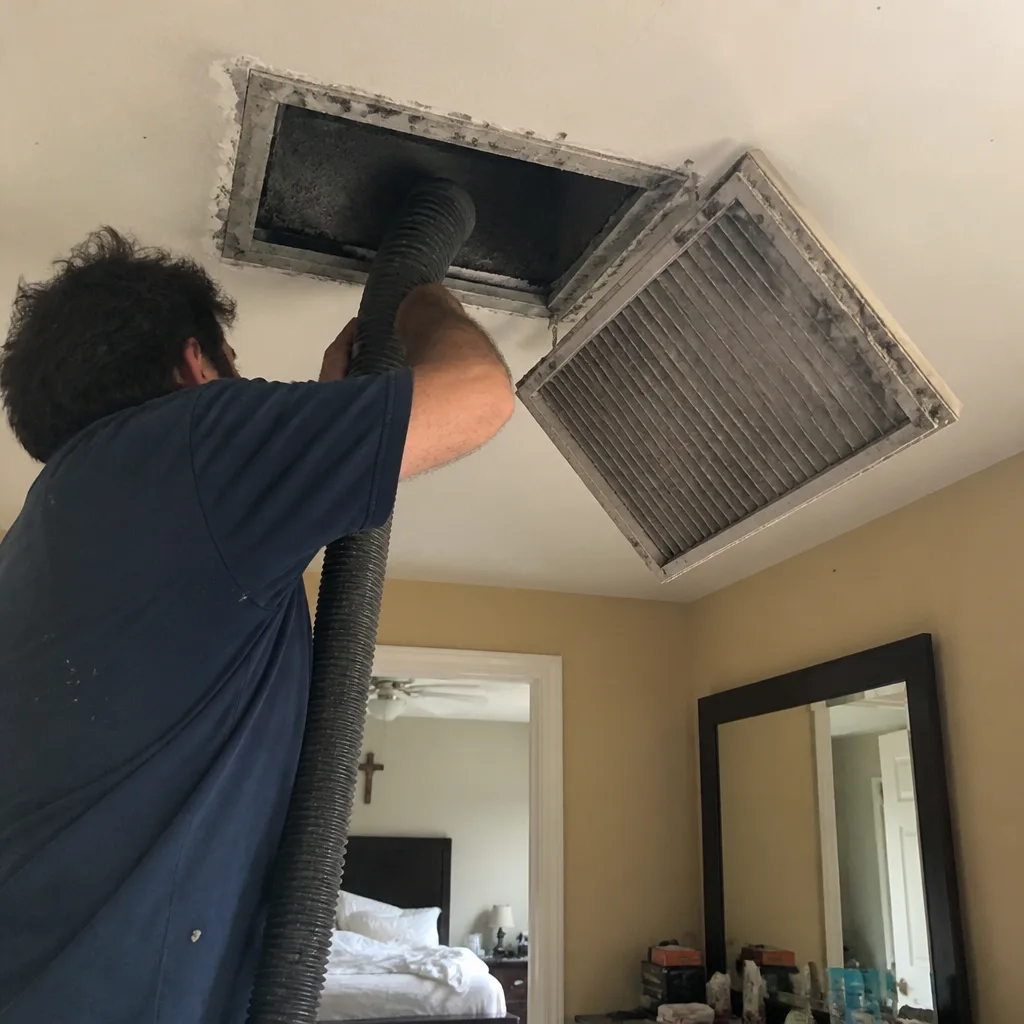 Before
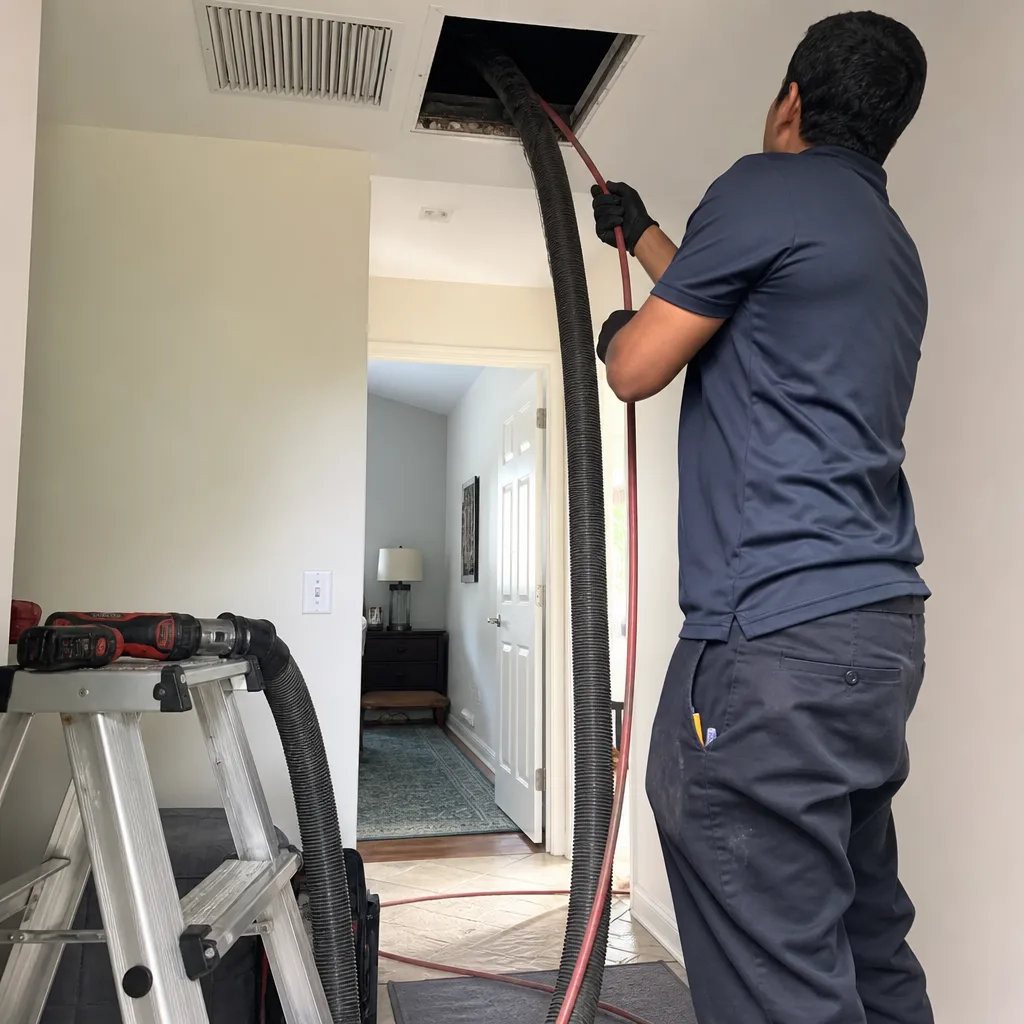 After
After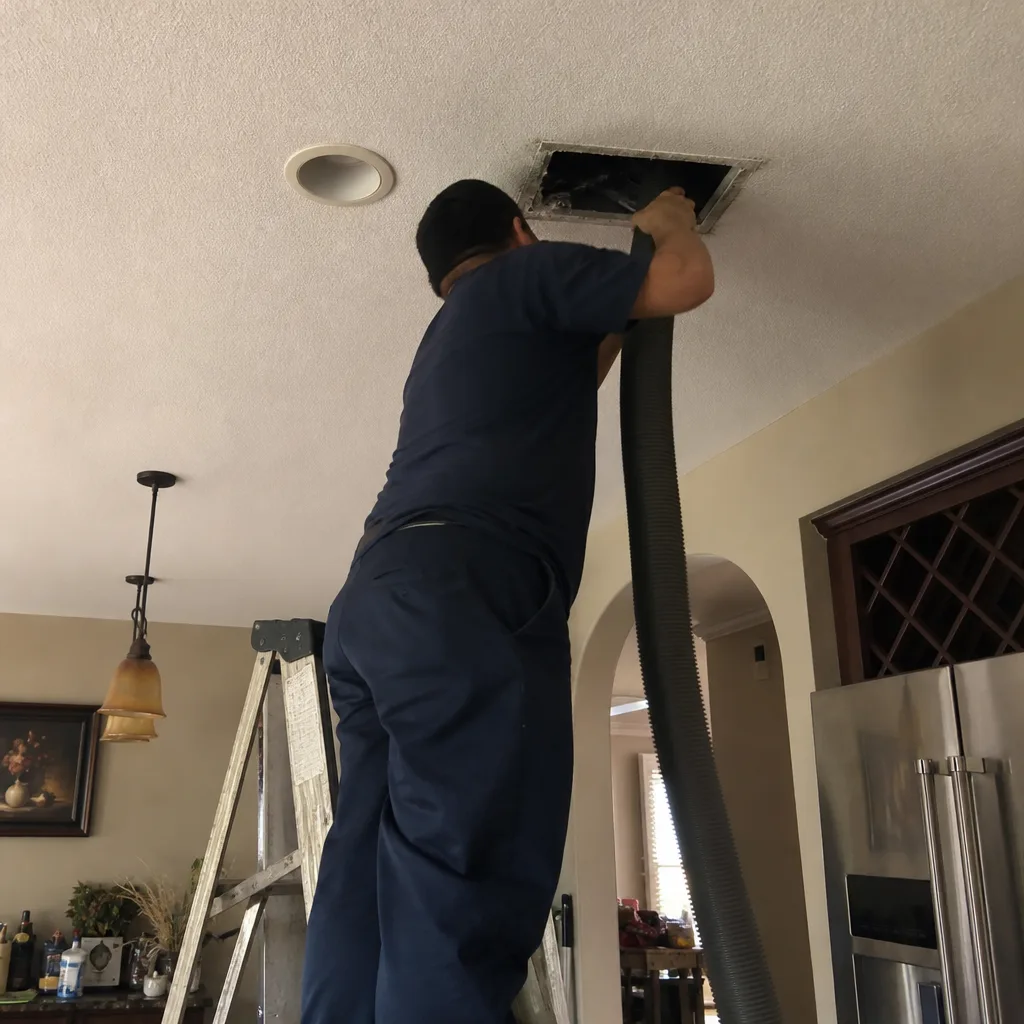 Before
 After
After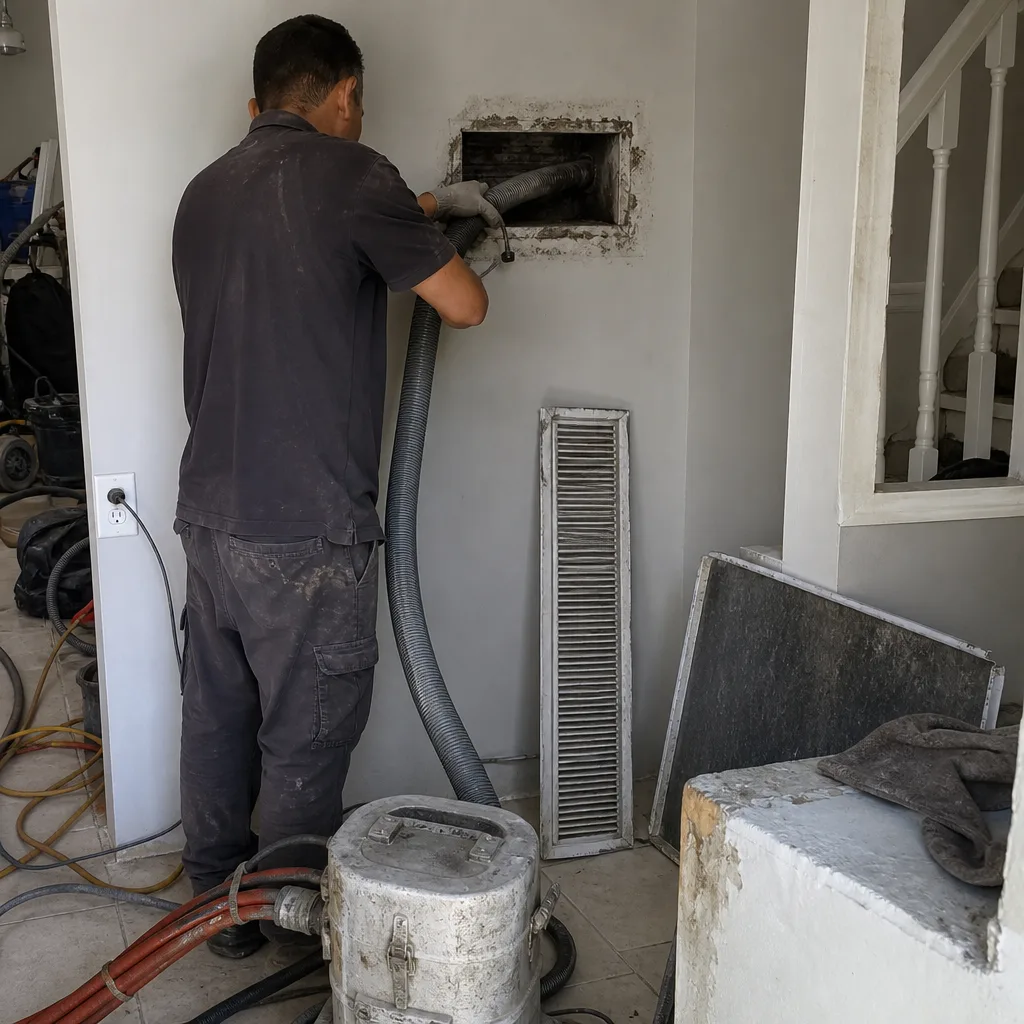 Before
 After
AfterReplacement Cost & What’s Included
Guardsman coil cleaning in Miami runs $185 to $385 installed. The low end covers an accessible slab coil with light surface dust, cleaned in place with a no-rinse application and coil comb for the fins. The higher end covers an A-coil in an attic or horizontal unit that requires panel removal, bio-film treatment, condensate pan cleaning, and a full rinse cycle. There’s no per-vent or per-inch pricing. You get one flat price before we start, agreed to after we see the coil, and it does not change. The estimate includes the labor to access and clean, the Guardsman chemistry applied to specification, fin combing where needed, and a clean-up of the condensate line if it’s holding water. What drives the price difference is accessibility and fouling severity, not upselling. An attic install in a 2004 Westchester home with a 12-seer R-22 system is a harder job than a garage-mounted unit in a newer Doral build, and the estimate reflects that honestly. As for warranty: every coil cleaning we do is covered under our 365-Day Done Right Promise. If the coil re-fouls within a year due to incomplete cleaning, we return at no charge. That’s in writing, on every invoice we hand over.
Here’s the pricing breakdown for the Miami market:
- Accessible slab coil, light cleaning: $185 – $245
- A-coil, standard cleaning with panel removal: $265 – $345
- Heavy bio-film or mold-in-coil remediation plus sanitizer: $325 – $385
- Condensate pan and drain line flush added to any coil cleaning: included in the higher range
DIY or Call Us?
There are a few things you can safely check before you call, and then there’s everything else, which you should not attempt. Safely, you can pull the filter and shine a flashlight at the upstream face of the coil. If it looks like a dryer lint screen, that’s your answer. You can also pour a cup of white vinegar down the condensate line to slow bio-growth. What you should not do is remove the coil access panel on a live system, spray household cleaners or bleach onto the coil, or attempt to brush the fins. Bleach corrodes aluminum fins and releases chlorinated gas into your air stream. Wrong brushes fold the fins over and make airflow worse than before. And the chemical you buy at the hardware store is not formulated for Miami’s mineral profile. Roy Castellanos has been running HVAC crews in South Florida for over a decade, through Brickell high-rises and older Coral Gables homes, and he’ll tell you directly: if you can’t explain the job plainly, you probably shouldn’t be doing it. That standard applies to our own technicians every day. If the coil is accessible and the fouling is light, a homeowner with a spray bottle and the right Guardsman no-rinse cleaner can do a passable job. But if you see ice, smell mold, or the coil is buried in an attic air handler, call us at (850) 660-3272 and let a background-checked, uniformed technician do it by the book. The estimate is free, and the price is written before any work starts.
FAQs
Every 12 to 18 months is realistic for Miami’s humidity. Homes near the water with salt-heavy air are closer to 12 months. Homes with pets, high occupancy, or older single-pane windows that pull more outdoor air also trend shorter. Call (850) 660-3272 and we’ll give you an honest interval based on what we find the first time we look.
Yes, if the issue is physical damage like crushed fins or a pinhole leak, those are repairable. But fouling is not a repair problem, it’s a maintenance problem. We’ll always tell you which one you’re looking at before quoting work, because the cost difference is larger than it should ever be a surprise.
Most Guardsman coil cleanings take between 45 minutes and two hours. Accessible slab coils in a garage are fastest. Attic A-coils with bio-film and pan cleaning take longer. We’ll give you a written time window when we schedule, and we arrive inside it. That’s The Garrison Standard, and it’s the same standard we’ve held since 2004.
We stock Guardsman foaming and no-rinse coil cleaners on our trucks, along with OEM Guardsman filter media and coil combs. We also carry parts for Lennox, Trane, and Carrier systems. If we’re at your home and the coil needs more than chemistry, we’ll know it the same day.
Written by Roy Castellanos, Owner, Hollis Air Duct Miami at Hollis Air Duct Miami, serving Miami and nearby areas.