
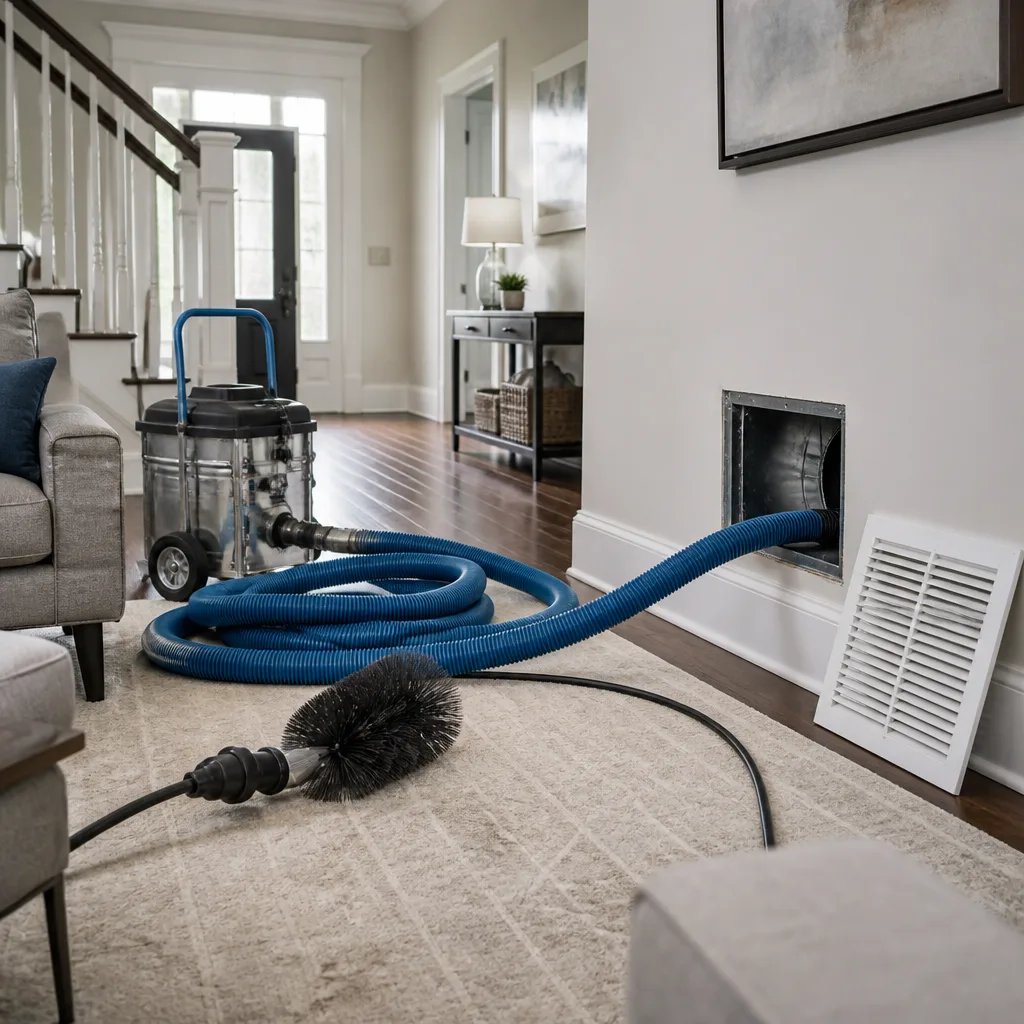
 Whole-home duct cleaning
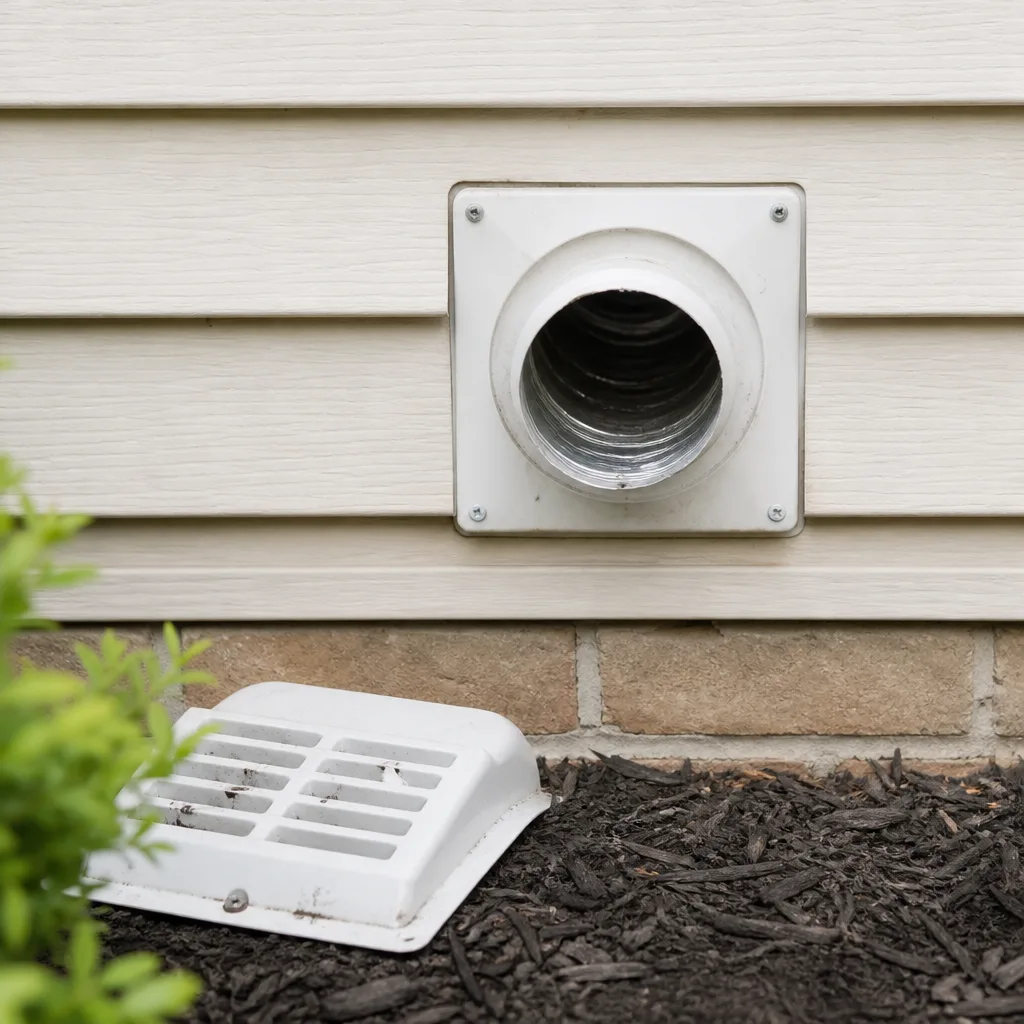 Dryer vent cleaning
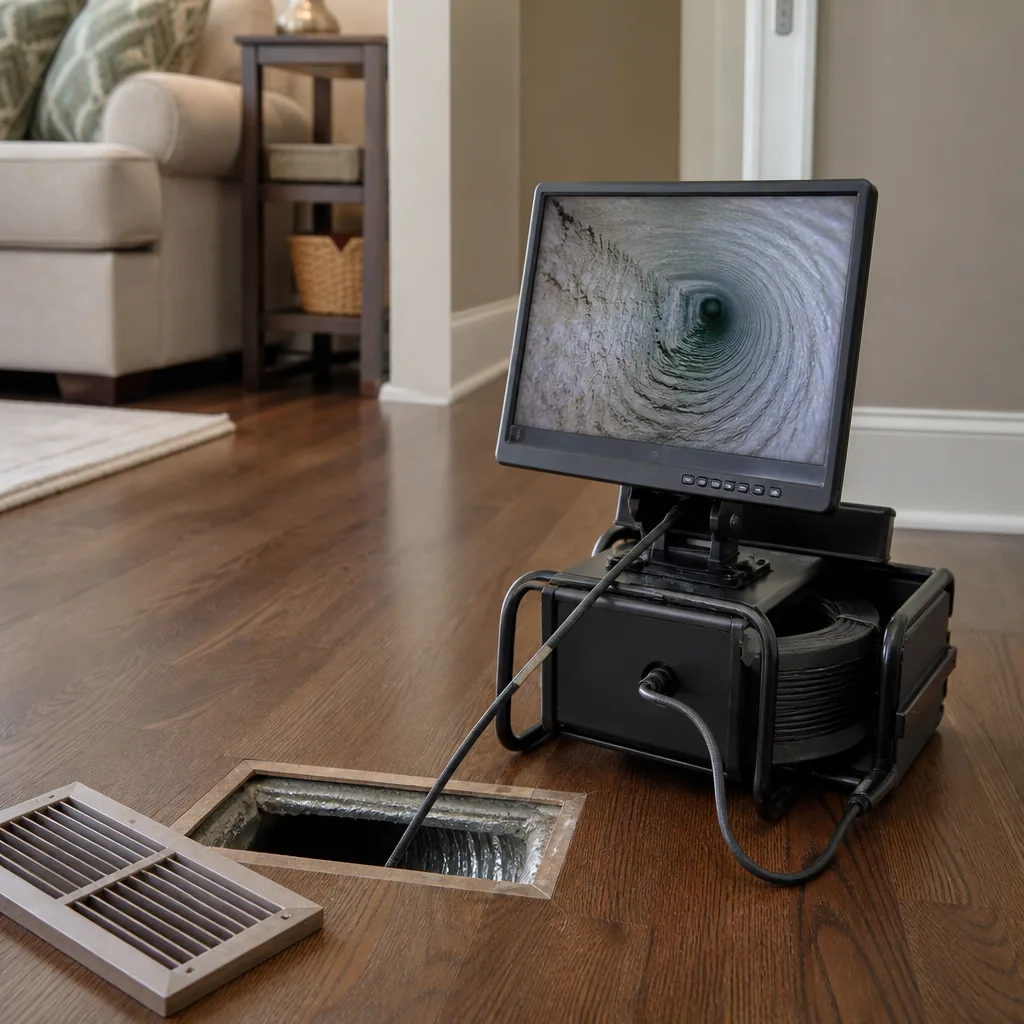 Camera inspection
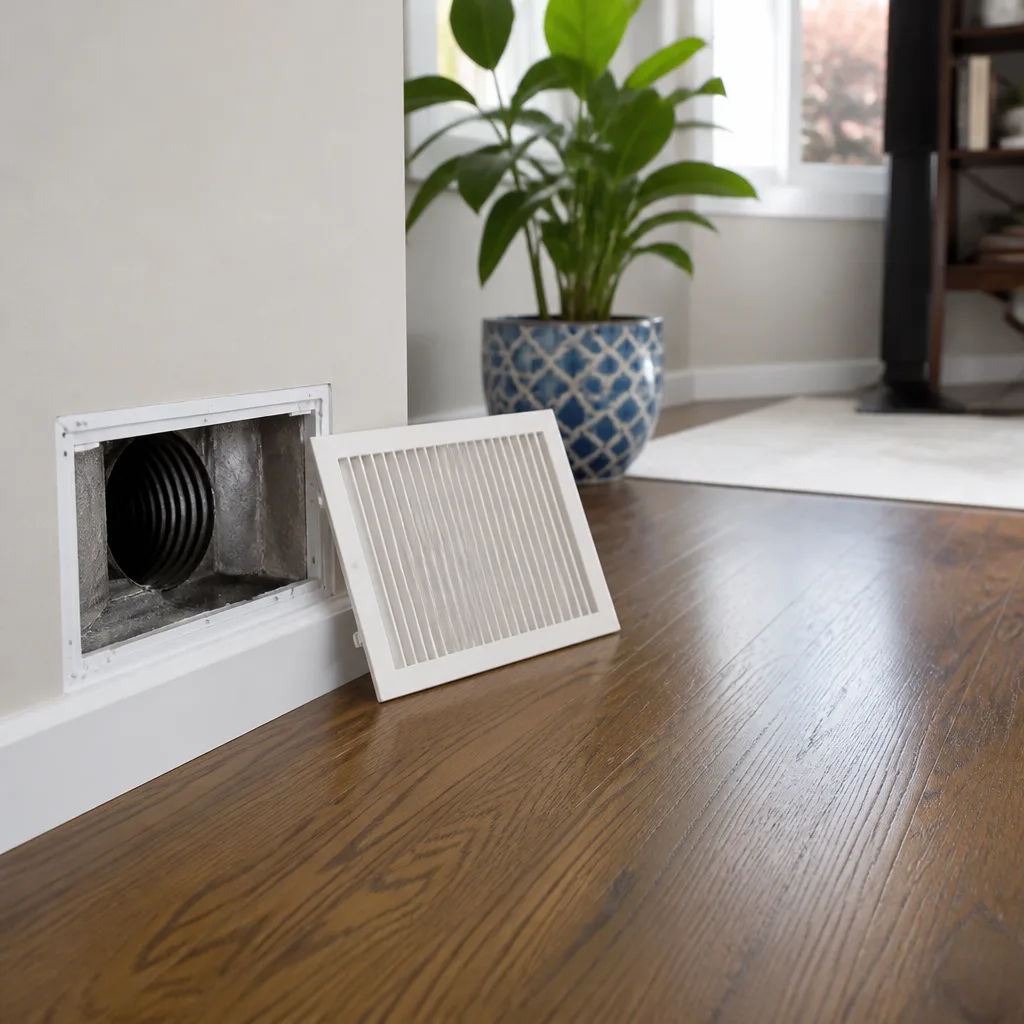 Sanitizing & deodorizing
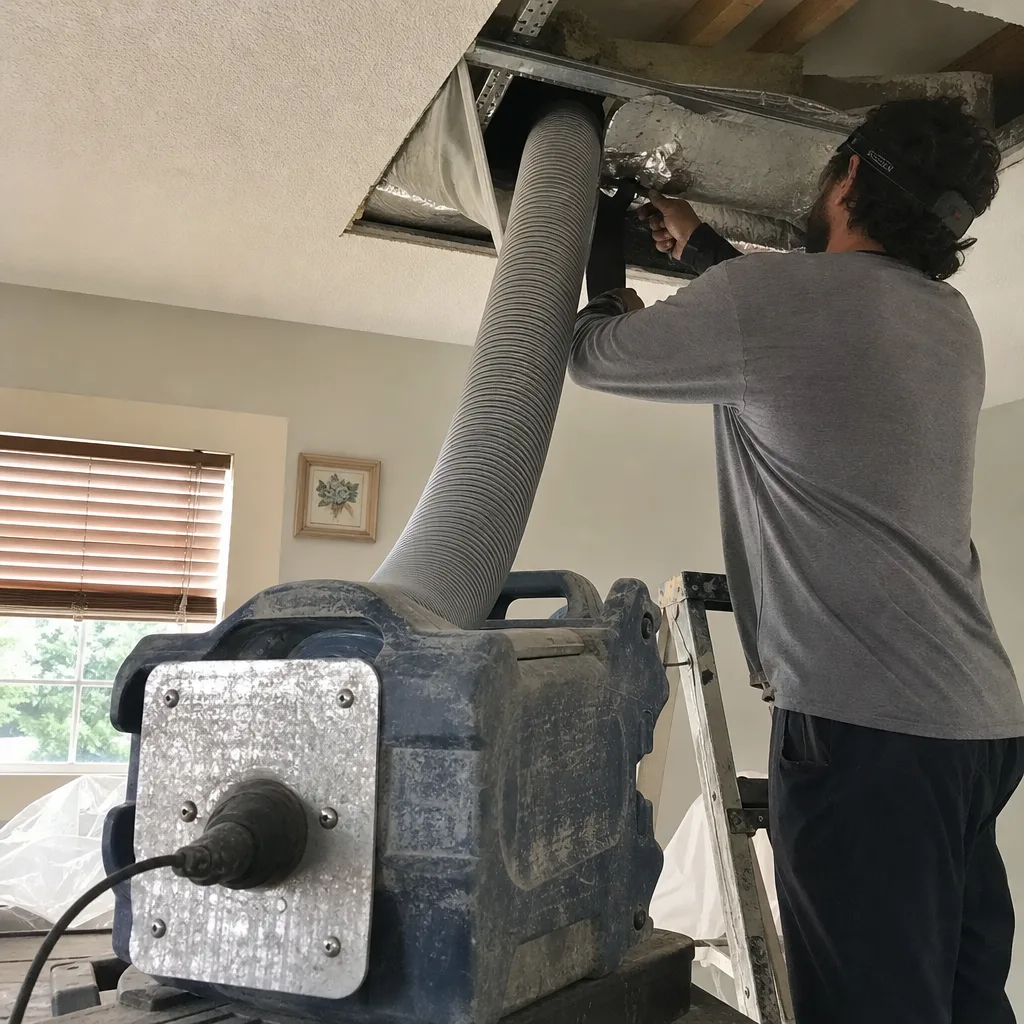
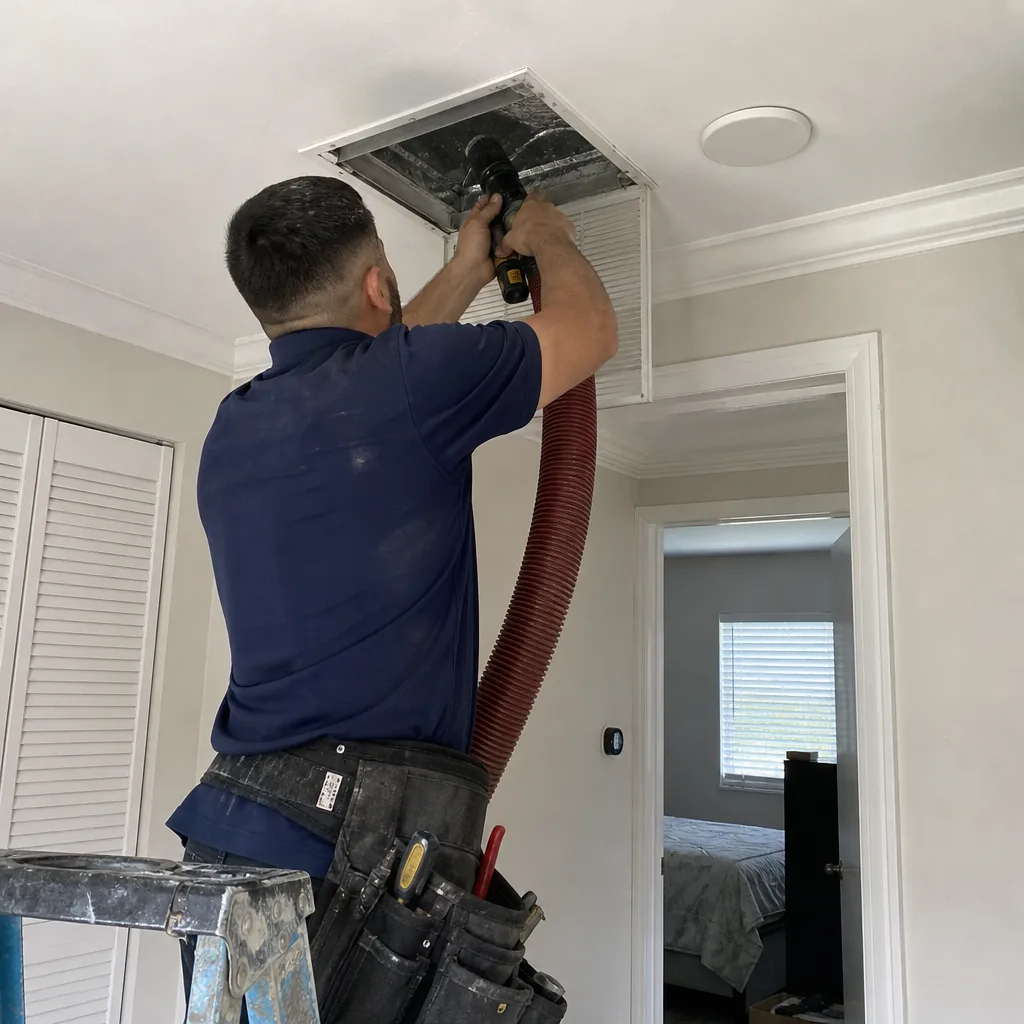
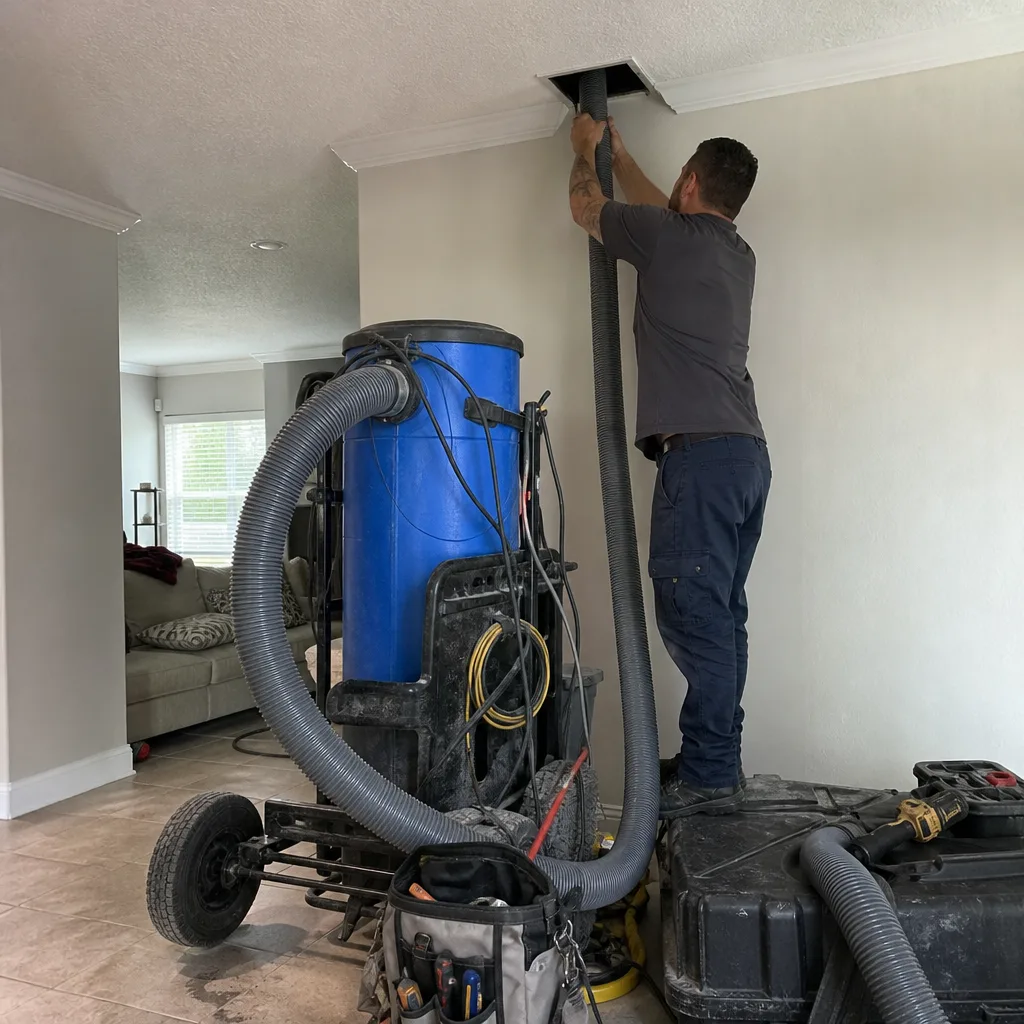
Whole-system duct and dryer vent check with before-and-after photos - you see exactly what came out of your vents
That "$99 whole-house special" is a bait ad - the real number appears once they are in your hallway, or the "clean" is a shop-vac at the register. We photograph the inside of your ducts before and after instead.
Abatement Technologies Vent Sanitizing: The Miami Owner’s Guide
If your Abatement Technologies vent sanitizing system isn’t performing the way it did when it was installed, we stock and install the replacement parts for it here in Miami. A full vent sanitizing component swap typically runs $185 – $410 installed, depending on which Abatement model you’re running and what failed. The call that usually comes to us starts the same way: the system cycles but nothing changes, or a specific zone has stopped treating the air entirely. The good news is these are serviceable parts, not scrap-and-replace situations, and most jobs leave our truck stock the first visit.
Here’s the reality of running Abatement Technologies vent sanitizing equipment in South Florida: the humidity works against every component. That’s not a knock on the equipment. It’s just what constant 70-percent-plus moisture does to UV bulbs, ballasts, and every electrical contact in the line. Roy Castellanos, our owner, has pulled failed Abatement units out of Brickell condos and older Coral Gables homes for over a decade, and the failure pattern is consistent. Knowing that pattern means we can diagnose most calls over the phone before a technician ever rolls.
Which Abatement Technologies Models This Applies To
Abatement Technologies makes several lines of in-duct and coil-mounted air treatment equipment, and the vent sanitizing components are not one-size-fits-all. The parts differ by series: the Pure Air systems, the UV Buster line, and older ceiling-mounted sanitizing units each take different bulb lengths, ballast ratings, and control boards. Before you order anything, find the data plate. It’s usually on the housing near the power inlet, and it will list the model prefix (PA, UB, or a longer alphanumeric string) plus the date of manufacture. That second number matters: Abatement changed ballast connectors across some series in 2016, and a bulb from 2015 will not seat correctly in a 2017 retrofit without an adapter harness.
On the OEM versus aftermarket question: for Abatement Technologies specifically, we recommend OEM or Abatement-certified replacement components for anything involving the UV emitter assembly and the ballast. The wavelength output tolerances are tight, and generic bulbs often run outside the specified band within six months, which means the sanitizing effect degrades to practically nothing while the bulb still glows visibly. For minor parts like indicator filters and mounting clips, a quality aftermarket equivalent is usually fine. We keep both on hand and will tell you plainly which one belongs in your unit.
A note for clarity: Hollis Air Duct Miami is an independent service provider. We’re not affiliated with Abatement Technologies, but we work on their vent sanitizing equipment daily and stock the parts that fail most often.
Styles & brands we work with
Signs Your Abatement Technologies Vent Sanitizing Is Failing
- Ignition but no glow: You hear the ballast hum or the control board displays a ready light, but no UV output is visible at the lamp window. This almost always means a bulb at end of life or a ballast that has drifted out of its ignition range. In Miami’s humidity, ballast corrosion is the more common culprit.
- Intermittent cycling: The unit powers on, runs for minutes or hours, then shuts down uncommanded and restarts. Loose spade connectors on the control board or thermal cutout tripping from internal moisture are the usual causes, and both get worse the longer they’re ignored.
- Burning odor near the unit: A sharp electrical smell from the housing area points to a ballast overheating or wire insulation breaking down. Shut the unit off at the breaker and call us. This one does not fix itself and it is not safe to ignore.
- Visible corrosion on the lamp ends: Condensation builds inside Miami ductwork year-round, and moisture wicks into the lamp socket over time. Green or white crust at the electrical contacts means conductivity is dropping, and the bulb may not even be receiving current despite appearances.
- No change in air quality but the system claims it is running: If you’ve been running the sanitizer and your usual dust, odor, or allergy patterns haven’t budged, the unit may be producing zero UV output while drawing full power. A kill-a-watt check from our tech or a quick lumen check tells us in two minutes whether the emitter is actually doing anything.
See the difference
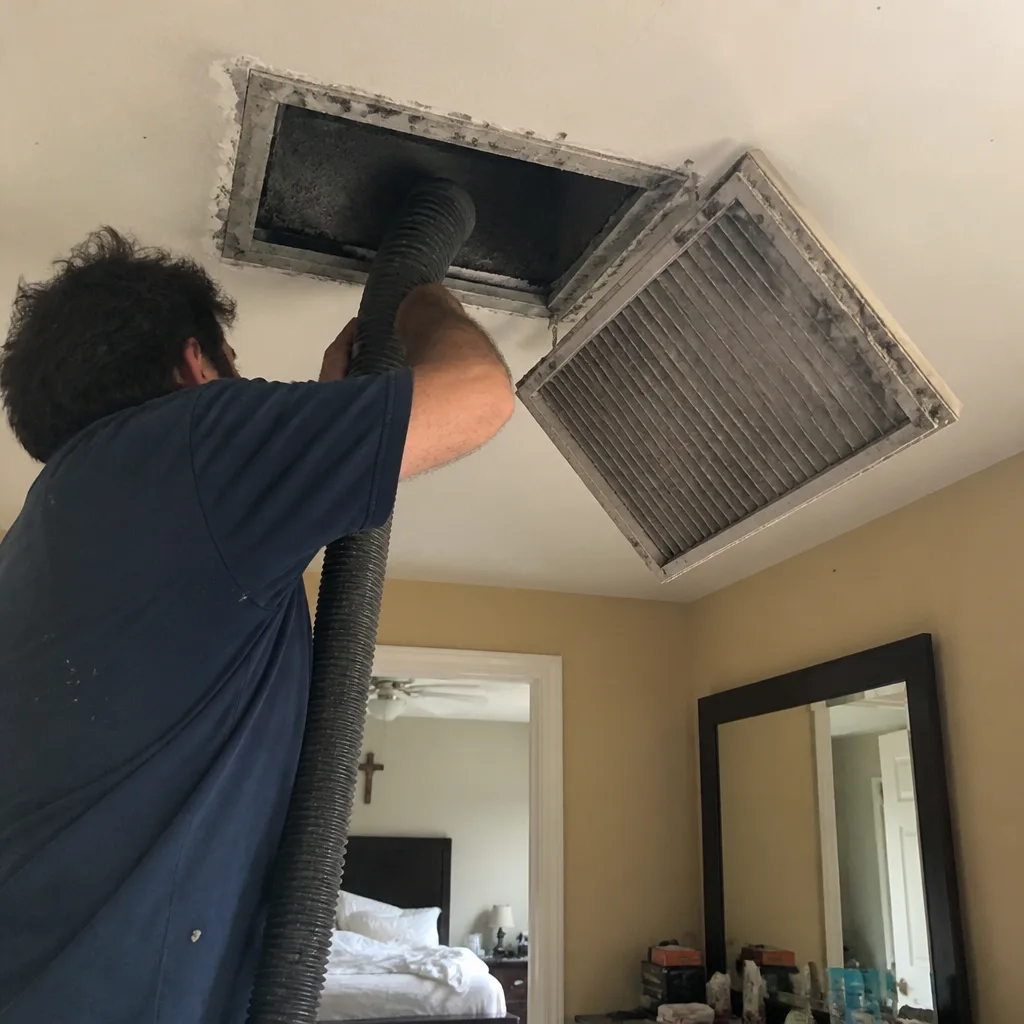 Before
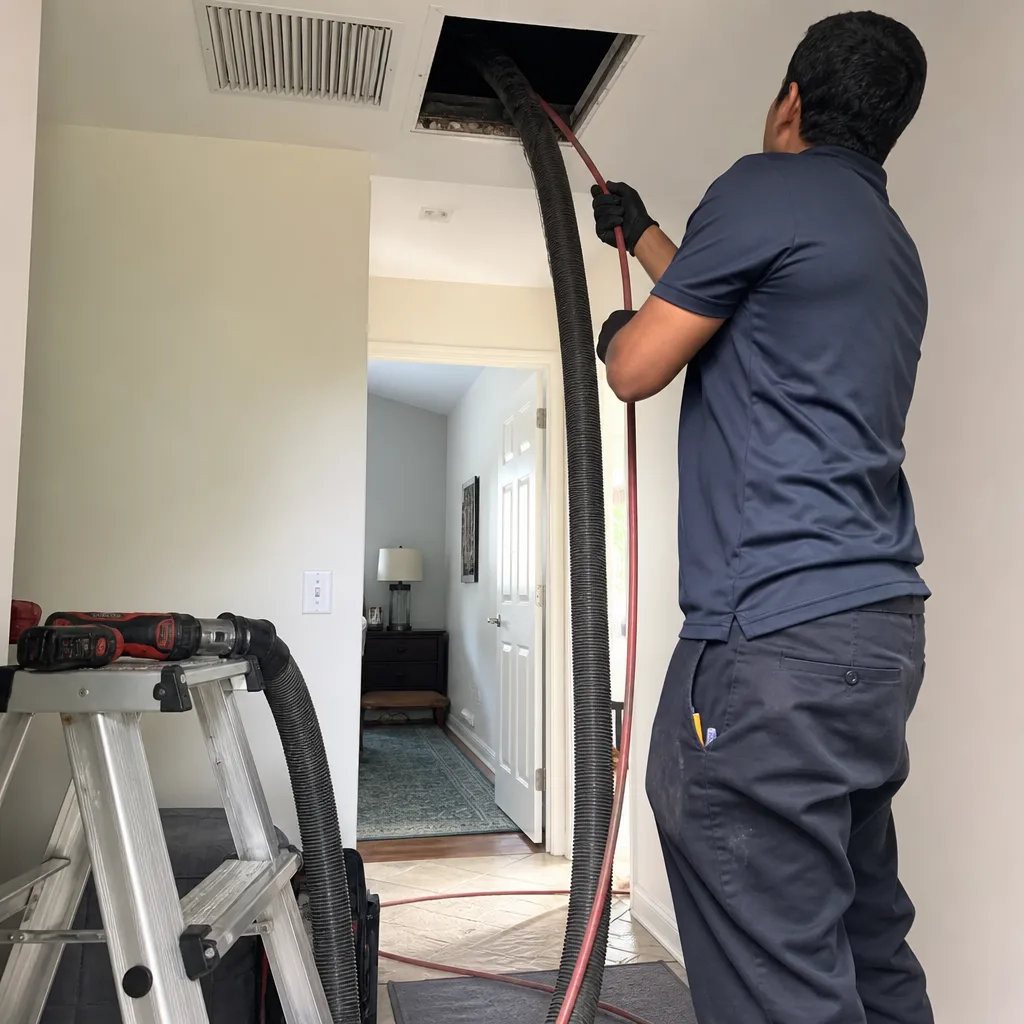 After
After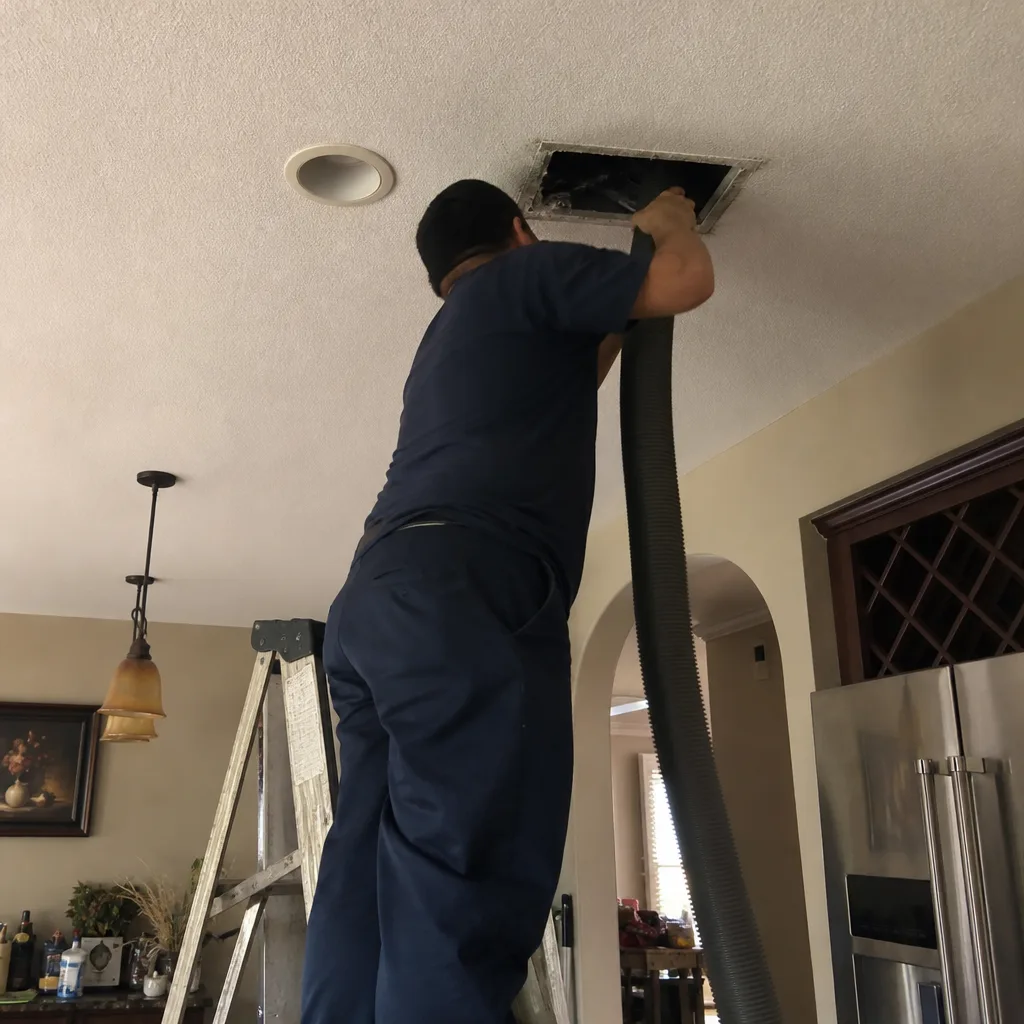 Before
 After
After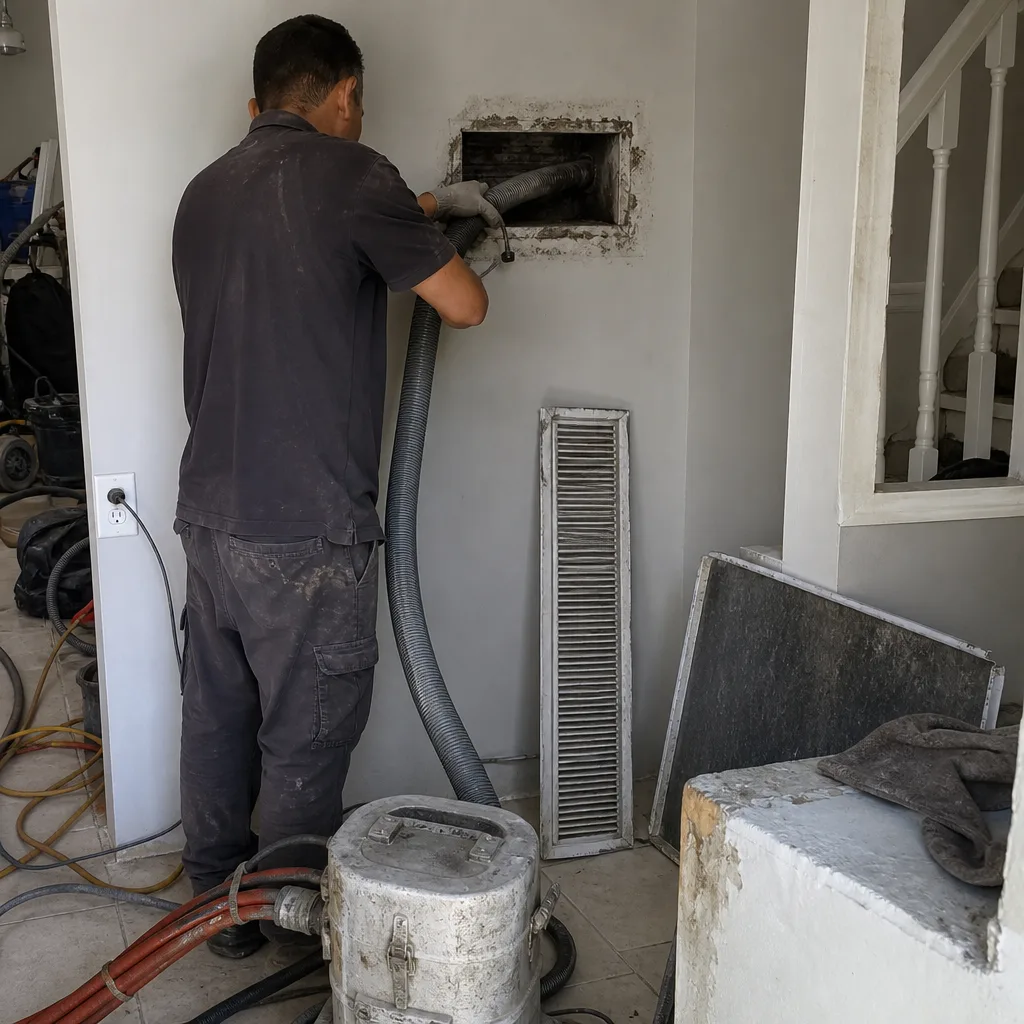 Before
 After
AfterReplacement Cost & What’s Included
Here are straight numbers for Miami, written down the way we’d write them on a quote before any work begins:
| Service | Typical Range (Parts + Labor) |
|---|---|
| UV bulb replacement (single emitter) | $185 – $260 |
| Ballast replacement | $210 – $300 |
| Control board replacement | $260 – $410 |
| Full emitter assembly (bulb, ballast, socket) | $310 – $450 |
Every one of these prices is a written, one-flat-price-per-system quote you approve before we touch anything. It does not move at the door. Labor includes pulling the old component, testing the new part under load, checking line voltage at the unit, and confirming UV output with a radiometer, not a visual guess. The work is covered under our 365-Day Done Right Promise: if any part we install fails within a year, we return and make it right at no charge, including a free second visit. That’s in writing on every job.
DIY or Call Us?
What you can safely do yourself: locate the data plate and read us the model number, check for visible corrosion at the lamp, and source the breaker that feeds the unit so you can cut power if needed. That information saves us time and saves you diagnostic labor.
What you should not do: open the housing to access the ballast or control board while the unit is powered, attempt to jump a dead ballast, or replace a bulb with the circuit live. UV-C bulbs are not a joke: direct skin and eye exposure cause real burns, and a charged ballast can hold voltage long after the unit is off. High-tension electrical connections inside Abatement units require a trained hand. Roy Castellanos put it best: “If you can’t explain the job plainly, you probably shouldn’t be doing it.” For vent sanitizing component work, call (850) 660-3272 and let a background-checked, uniformed technician handle it inside the hour you’re quoted.
Frequently Asked Questions
In our local conditions, expect 8,000 to 12,000 hours of effective output, which works out to roughly 12 – 18 months of continuous operation. Abatement rates their emitters to a 9,000-hour typical service interval, but constant humidity condensing inside ductwork here shaves real time off that number. When output drops below 70 percent of spec, the bulb still glows but no longer sanitizes effectively. We recommend testing output annually, not waiting for a visible failure.
We replace ballasts rather than repairing them. The internal potting compound that seals the transformer breaks down over time, and once moisture gets inside, no amount of external work restores reliable ignition. A replacement ballast matched to your Abatement series runs $210 – $300 installed in Miami, and exceeding that range to attempt a repair makes no sense downstream.
Most single-component replacements, bulb or ballast, are a 45-to-90-minute job once we’re on site. We stock the common Abatement series parts on the truck, which keeps us from needing a second trip. Call (850) 660-3272 for a free estimate and we’ll tell you over the phone what we think failed, what it’ll cost, and when we can be there.
We keep the most common emitters, ballasts, and control boards for Abatement’s residential and light-commercial vent sanitizing lines on the truck, alongside parts for Lennox, Trane, and Carrier air handlers. If your system requires a less common component, we can typically have it within a few business days. Our tech will confirm the exact part number before any order is placed, so there’s no guessing and no wasted freight.
Written by Roy Castellanos, Owner, Hollis Air Duct Miami at Hollis Air Duct Miami, serving Miami and nearby areas.