
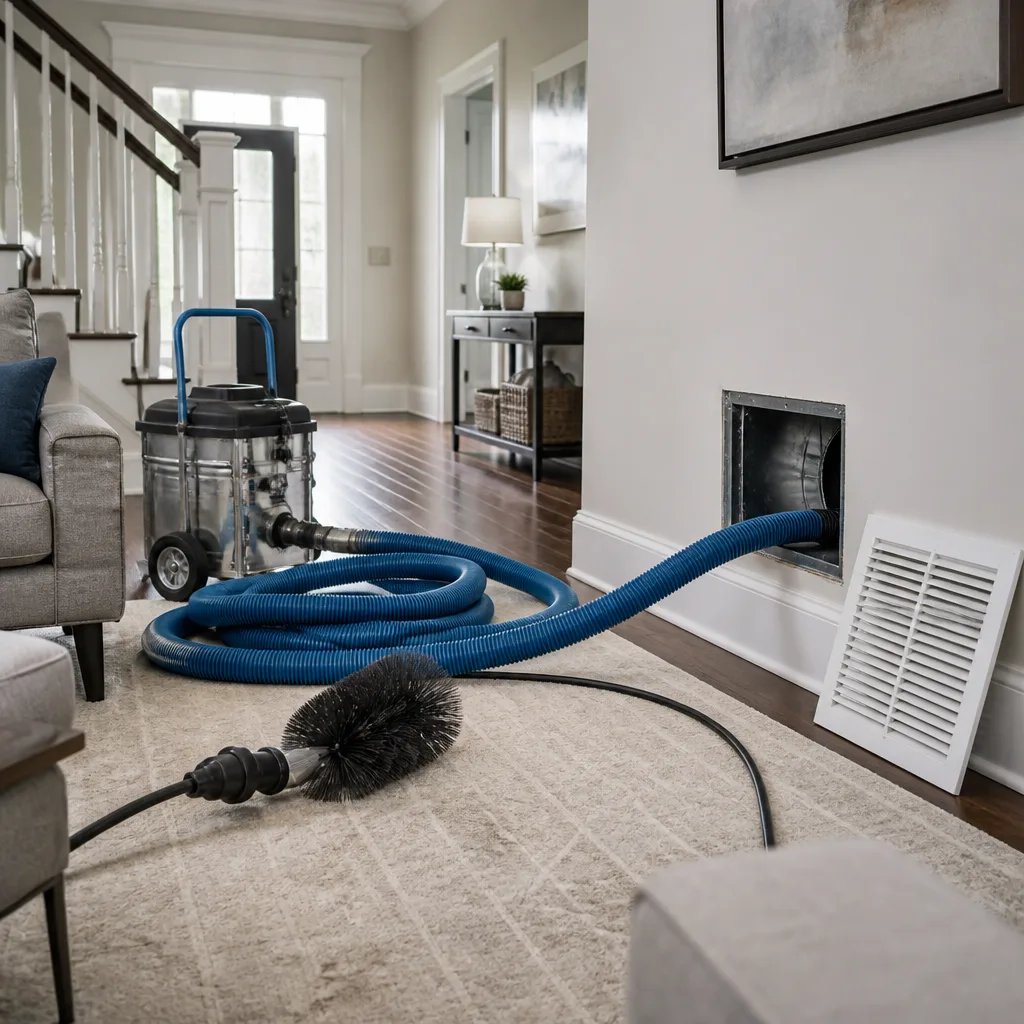
 Whole-home duct cleaning
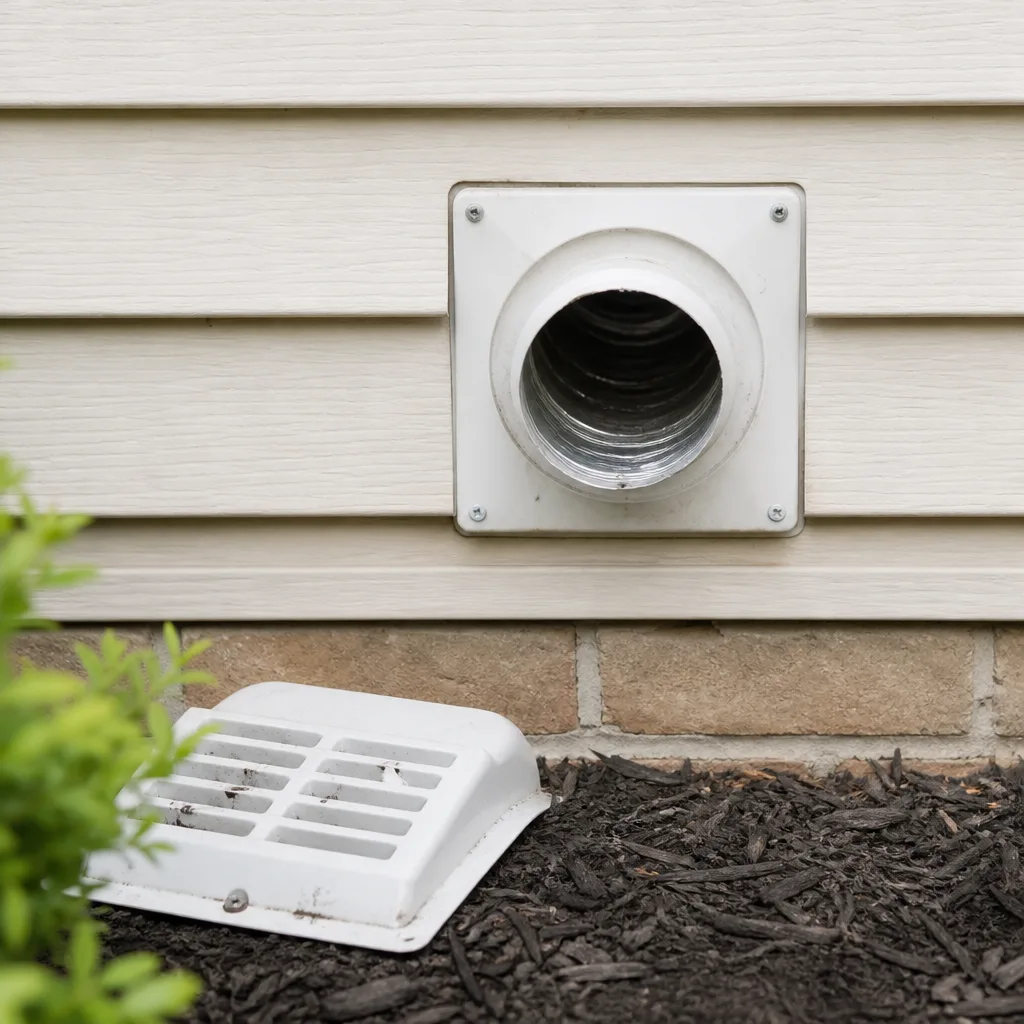 Dryer vent cleaning
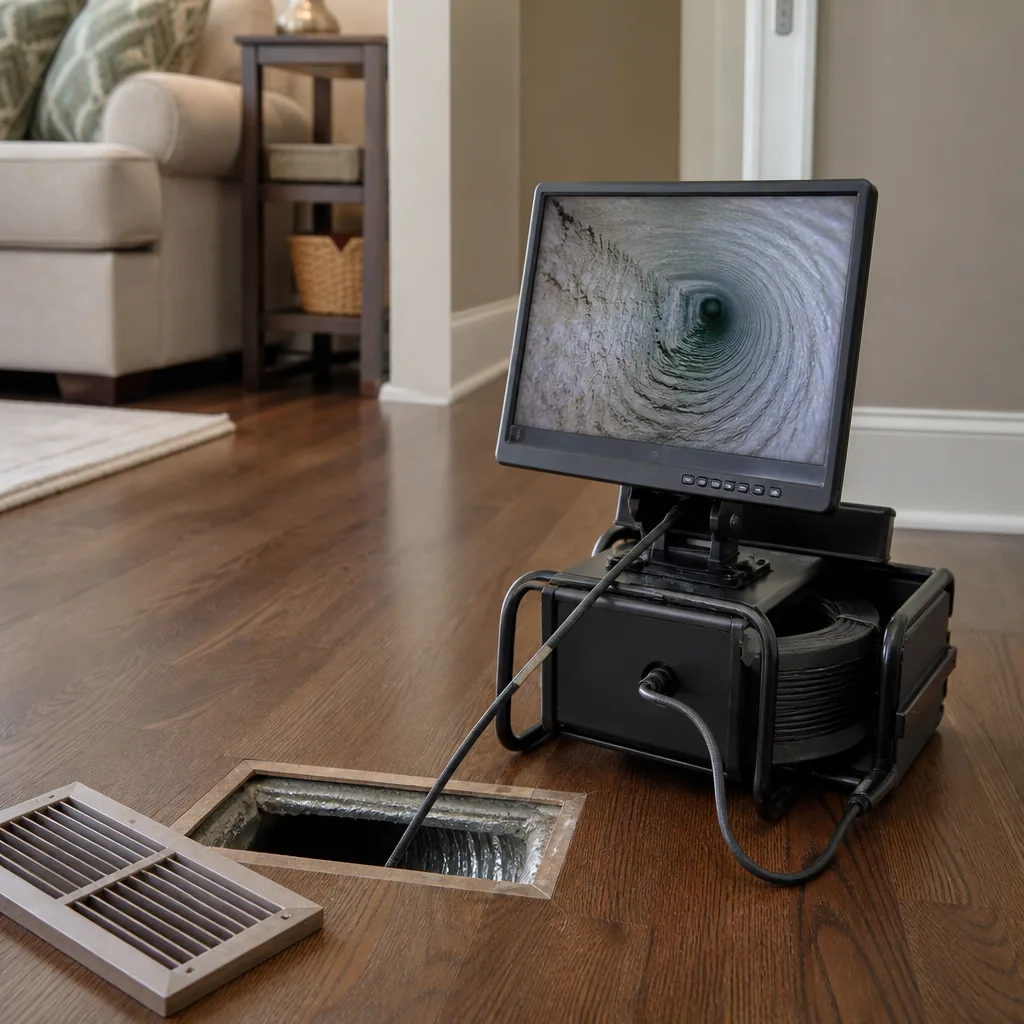 Camera inspection
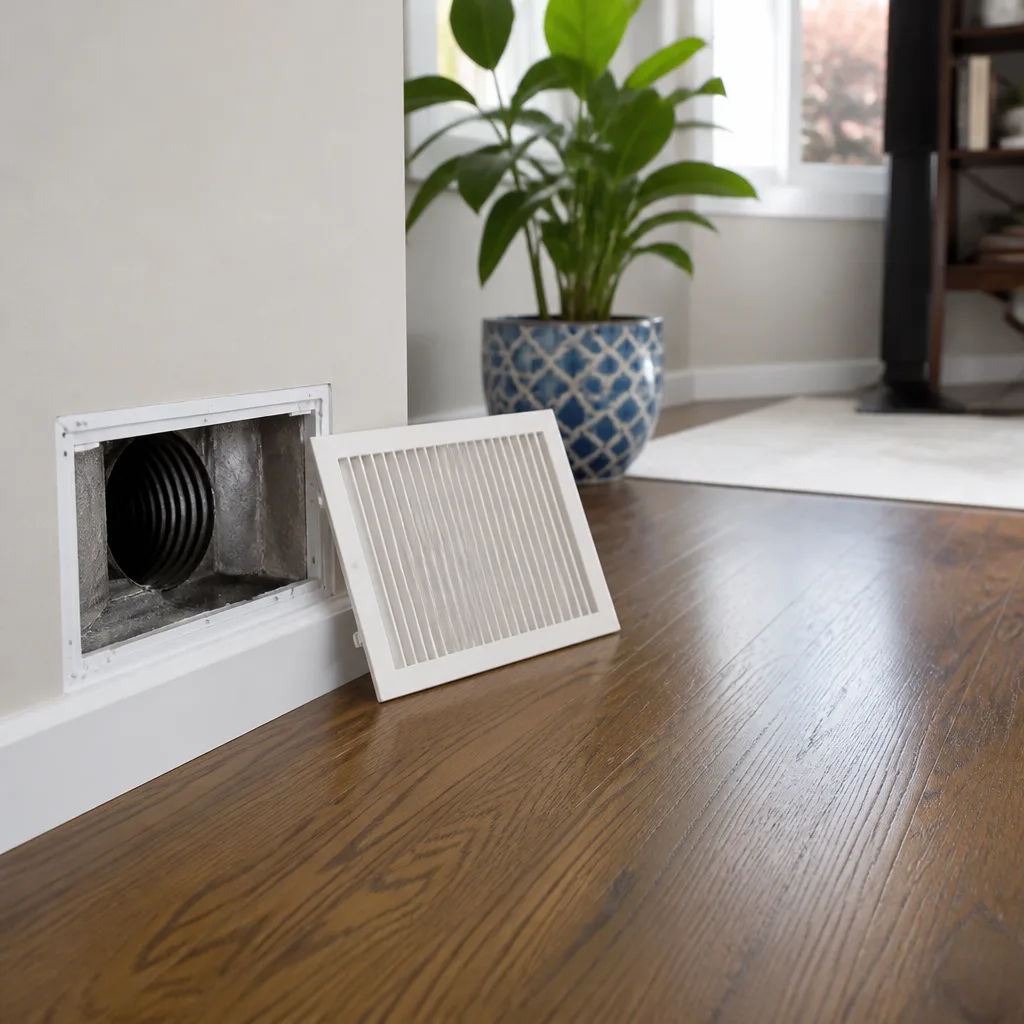 Sanitizing & deodorizing
Whole-system duct and dryer vent check with before-and-after photos - you see exactly what came out of your vents
That "$99 whole-house special" is a bait ad - the real number appears once they are in your hallway, or the "clean" is a shop-vac at the register. We photograph the inside of your ducts before and after instead.
Abatement Technologies Register & Grille Cleaning: The Miami Owner's Guide
Abatement Technologies register and grille cleaning in Miami typically runs $75 to $270 depending on how many registers you have and how much buildup has accumulated. We stock cleaning-specific brushes and HEPA-filtration attachments for most residential systems, and if your registers are rusted, seized, or bent beyond a surface cleaning, replacement grilles run $18 to $65 per unit installed. The most common sign homeowners in Miami notice is dust streaking on the ceiling above a supply register, or a register that no longer opens and closes because humidity has swollen the damper blade.
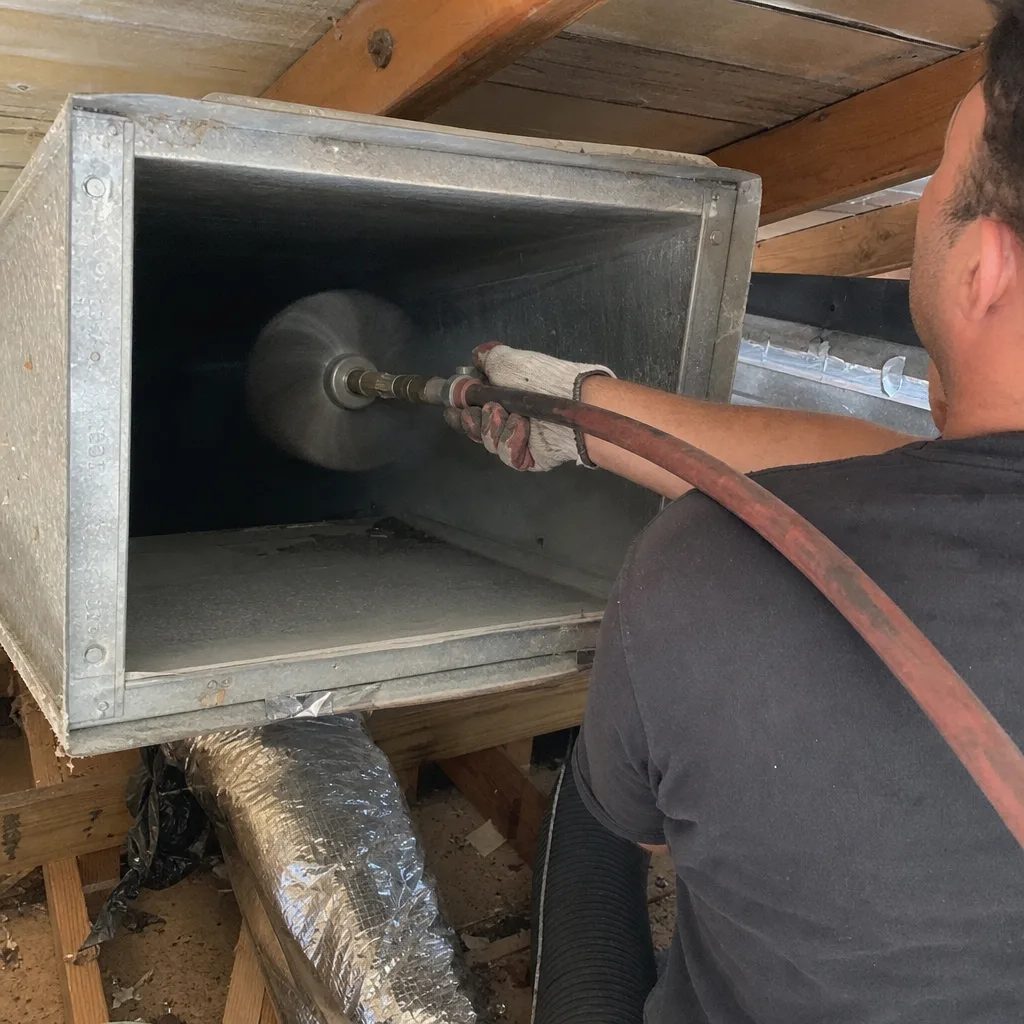
Registers and grilles are the last mechanical stop before conditioned air enters your living space. When they’re clogged with a film of dust, pet hair, and the fine black particulate Miami’s humidity binds to metal surfaces, your system works harder and your walls show it. This page explains what goes wrong, what it costs to fix, and how we handle Abatement Technologies components specifically.
Key Takeaways
- Cleaning most residential register sets costs $75 to $270 in Miami, with replacement grilles at $18 to $65 per unit installed.
- Abatement Technologies registers are built to commercial-grade tolerances, which means the damper mechanism needs more care than a $6 hardware-store grille.
- Miami’s salt air and interior humidity cause surface corrosion and damper seizure faster than dry climates do.
- You need a HEPA-filtered vacuum attachment, not just a rag, to clean registers properly without redistributing dust into the air.
- We’re an independent service provider; we are not affiliated with Abatement Technologies, but we work on their equipment daily.
Which Abatement Technologies Models This Applies To
Abatement Technologies makes registers, grilles, and vent assemblies for both residential and commercial air-handling applications. The brand is better known in the industrial hygiene world for HEPA filtration and negative-air machines, but their register line shows up in a lot of Miami homes through contractor-grade retrofits, particularly in condos and older single-family builds. The specific compatibility question comes down to two things: the rough opening dimensions and the damper type.
If you’re looking at the register itself, there’s usually a small stamped label on the back of the louver frame or on the damper blade. Abatement Technologies stamps a model prefix followed by numbers that correspond to nominal duct width. The common residential series includes the RG (register grille) and RG-D (damper-equipped) lines, ranging from 4×10 up to 12×12. The critical gotcha is depth: Abatement Technologies registers have a deeper collar than most residential brands, roughly 1.25 to 1.5 inches depending on the model. A standard big-box register at 0.75 inches won’t seat properly in ducts sized for these units unless you’re prepared to modify the boot. We’d rather match it right the first time.
For OEM versus aftermarket: Abatement Technologies OEM grilles are well-built, but they carry a price premium, and lead times can stretch to a week or more for less common sizes. A quality aftermarket equivalent in the same gauge aluminum with a comparable damper mechanism works fine for most residential applications. The exception is anything mounted near a return plenum under negative pressure, where you want the original spec or heavier. We carry common aftermarket sizes on the truck and can source OEM when the job calls for it. If you have a Lennox, Trane, or Carrier system we also stock parts for those brands; the register itself is brand-agnostic, but the fit has to be right.
Styles & brands we work with
Signs Your Abatement Technologies Register & Grille Cleaning Is Failing
- Ceiling or wall streaking above or below the register. This is airborne dust being deposited as air velocity drops at the register face. The register isn’t causing it alone; the buildup on the louver edges is changing airflow direction and trapping particles, which then smear outward over time.
- Damper blade won’t move, or moves with a grind. Miami’s humidity corrodes the pivot points on metal damper blades, and the fine dust that gets pulled through the system acts like sandpaper. Once the blade seizes, you lose the ability to balance airflow room to room.
- Visible film or matting on the back of the louver. If you’ve ever pulled a register and found a gray, felt-like coating on the inside face, that’s congealed dust and moisture. It reduces free-air space and is a sign the duct system upstream has buildup that needs attention too.
- Rust or pitting on the frame, especially in coastal zip codes. Salt in the air accelerates metal corrosion. We see it most often in Miami Beach, Brickell, and anywhere within a mile or two of the water. Once the frame pits, it’s better to replace than to clean.
- Whistling or increased noise at one register. When a register’s internal surfaces get caked, the effective opening narrows and air velocity rises. That’s the whistle. It’s also your system telling you static pressure is climbing, which shortens blower motor life.
See the difference
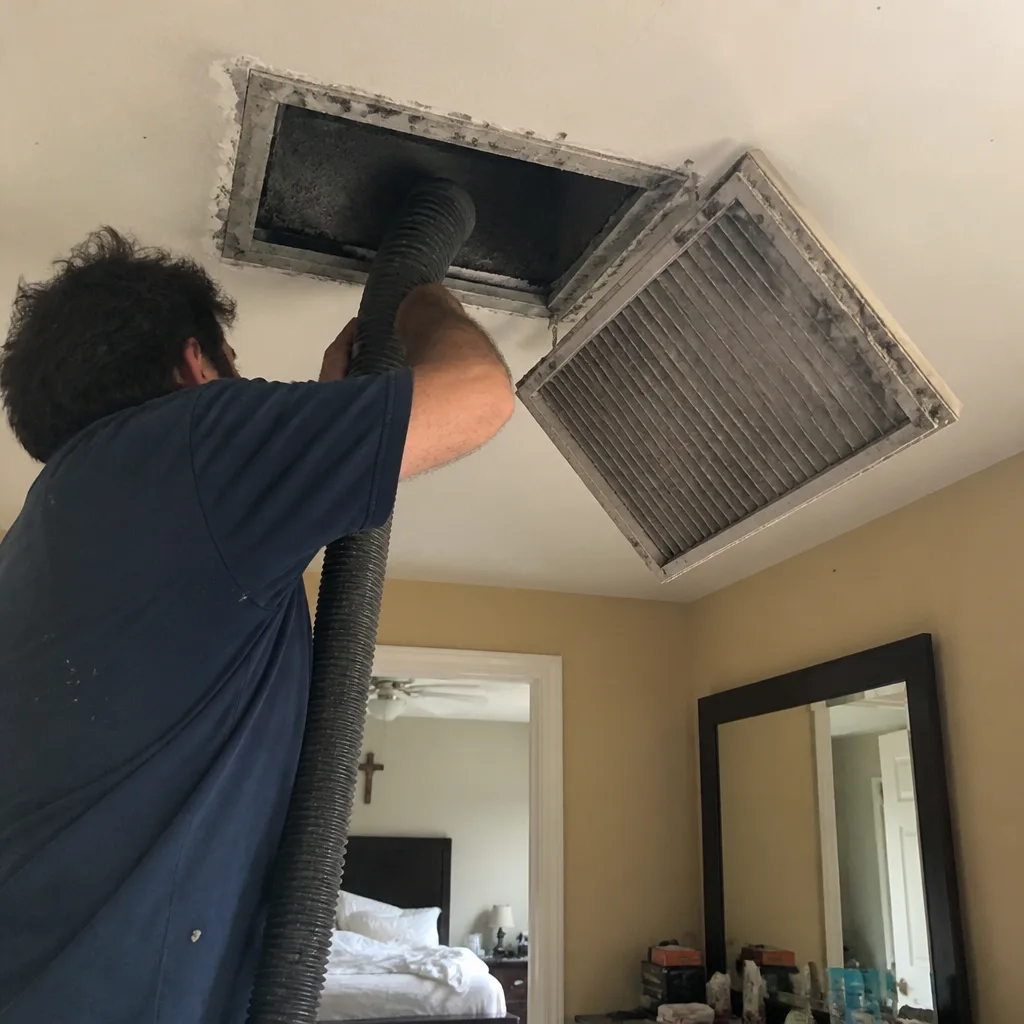 Before
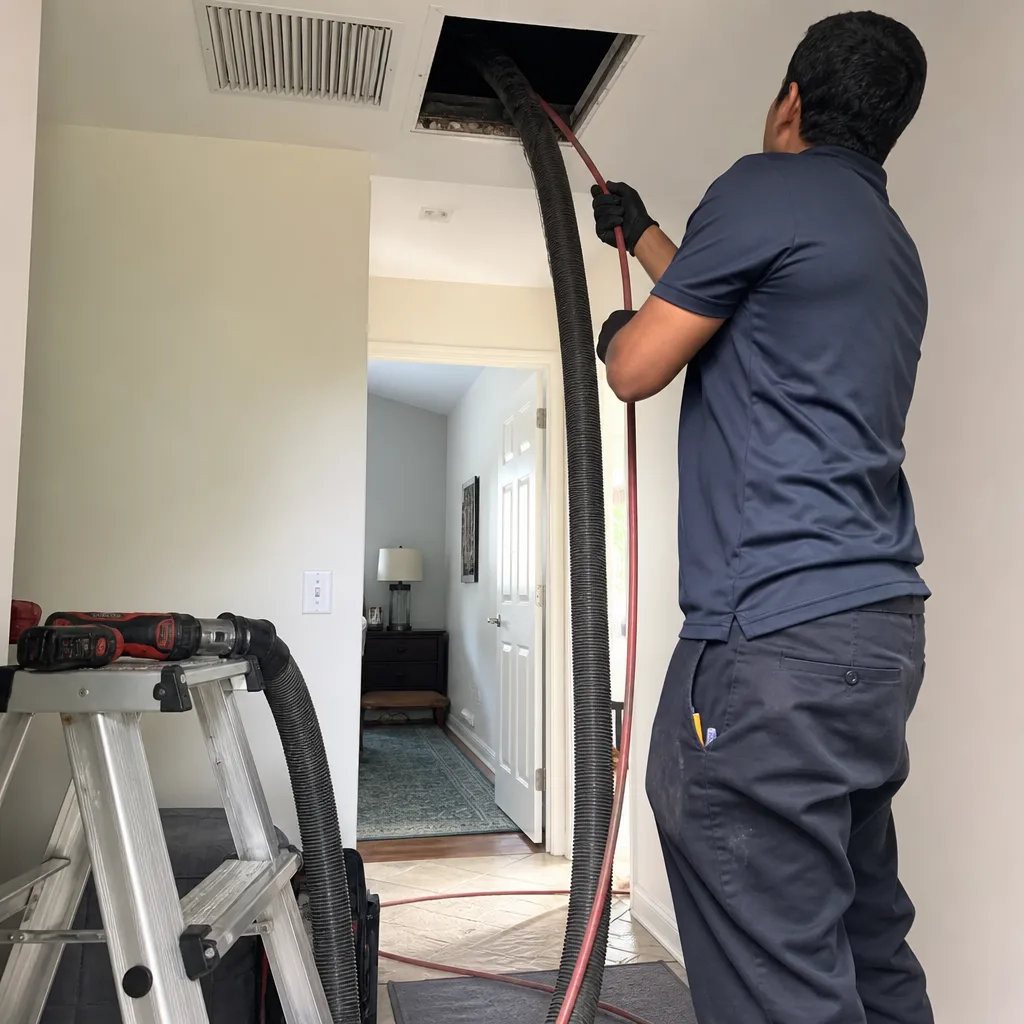 After
After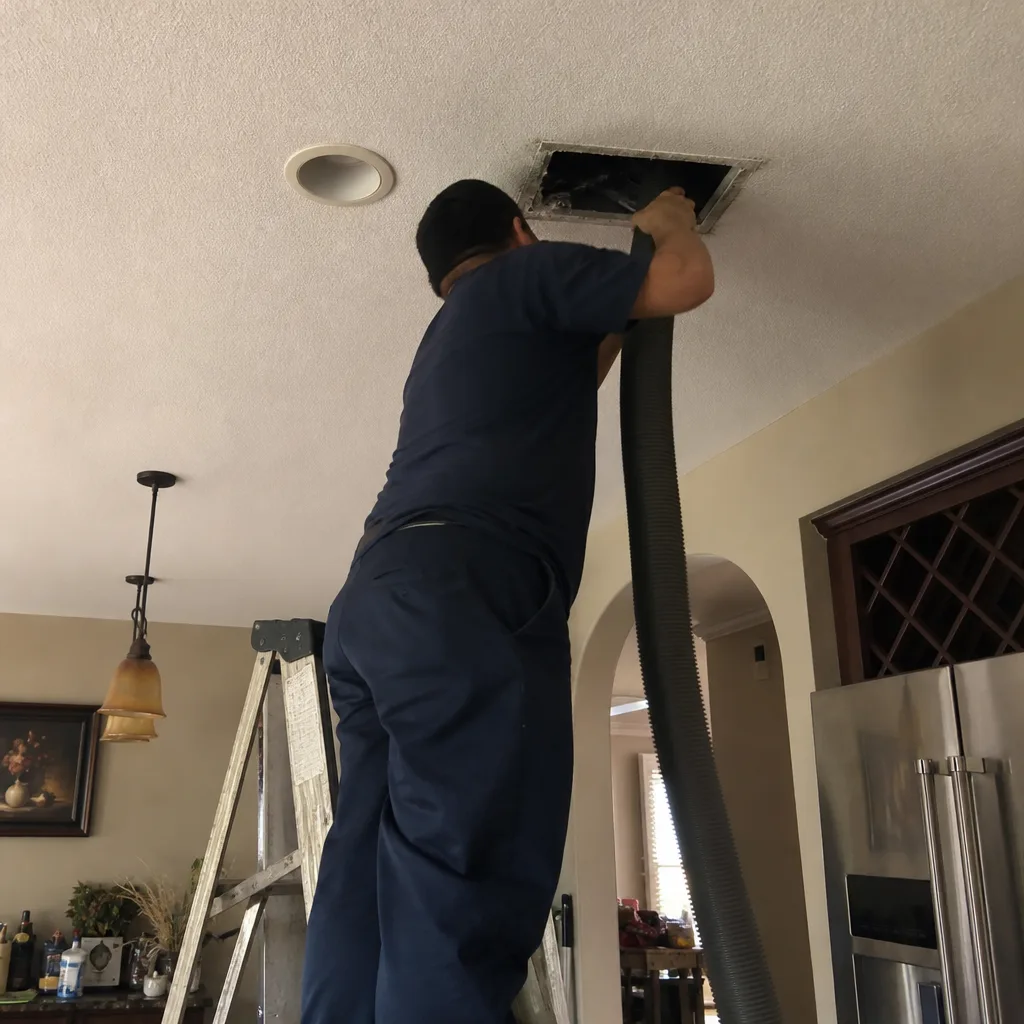 Before
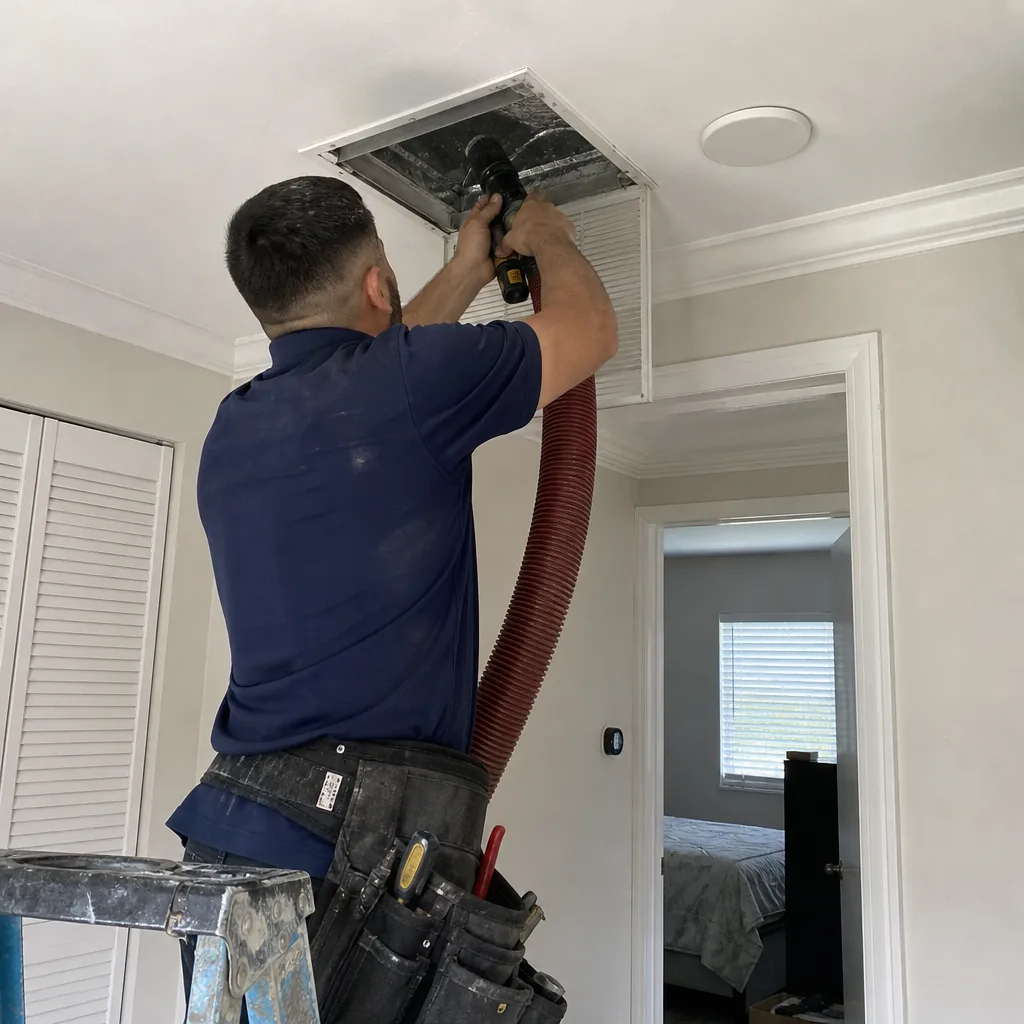 After
After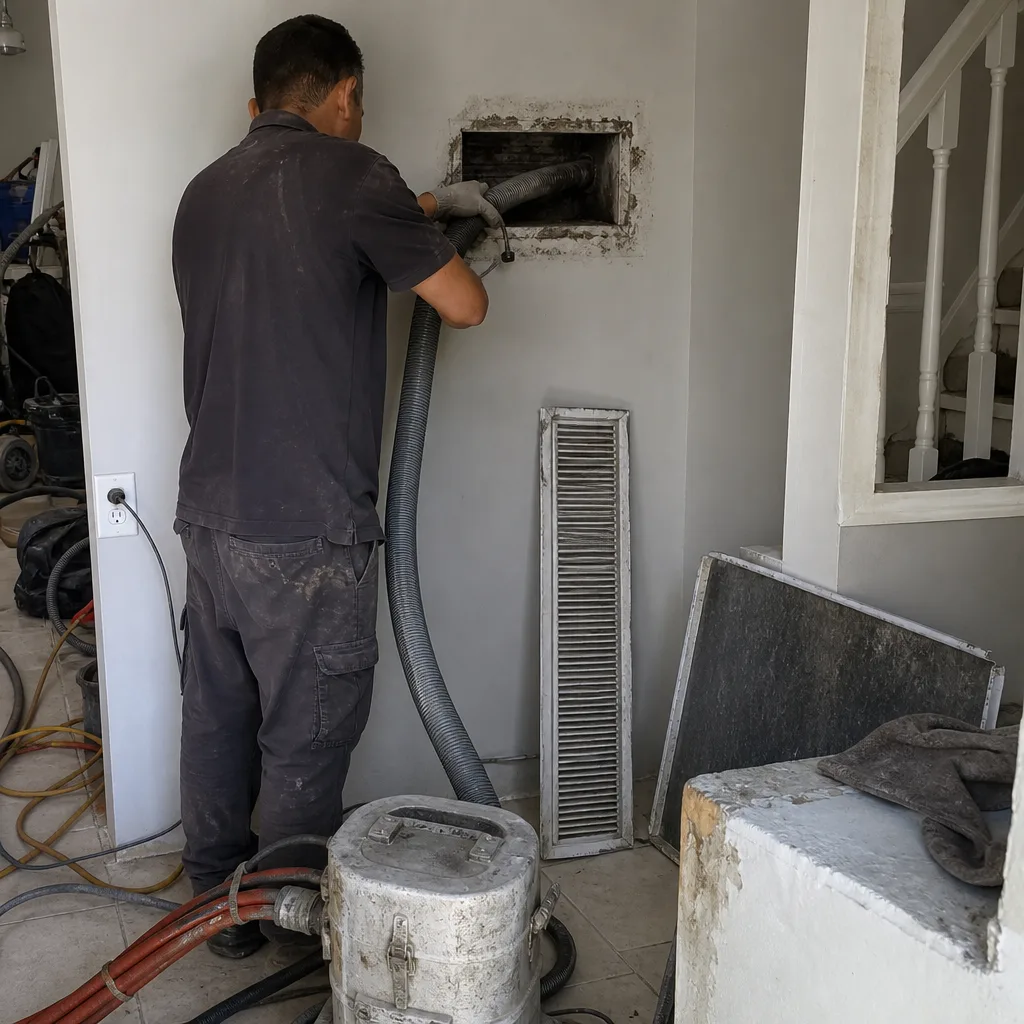 Before
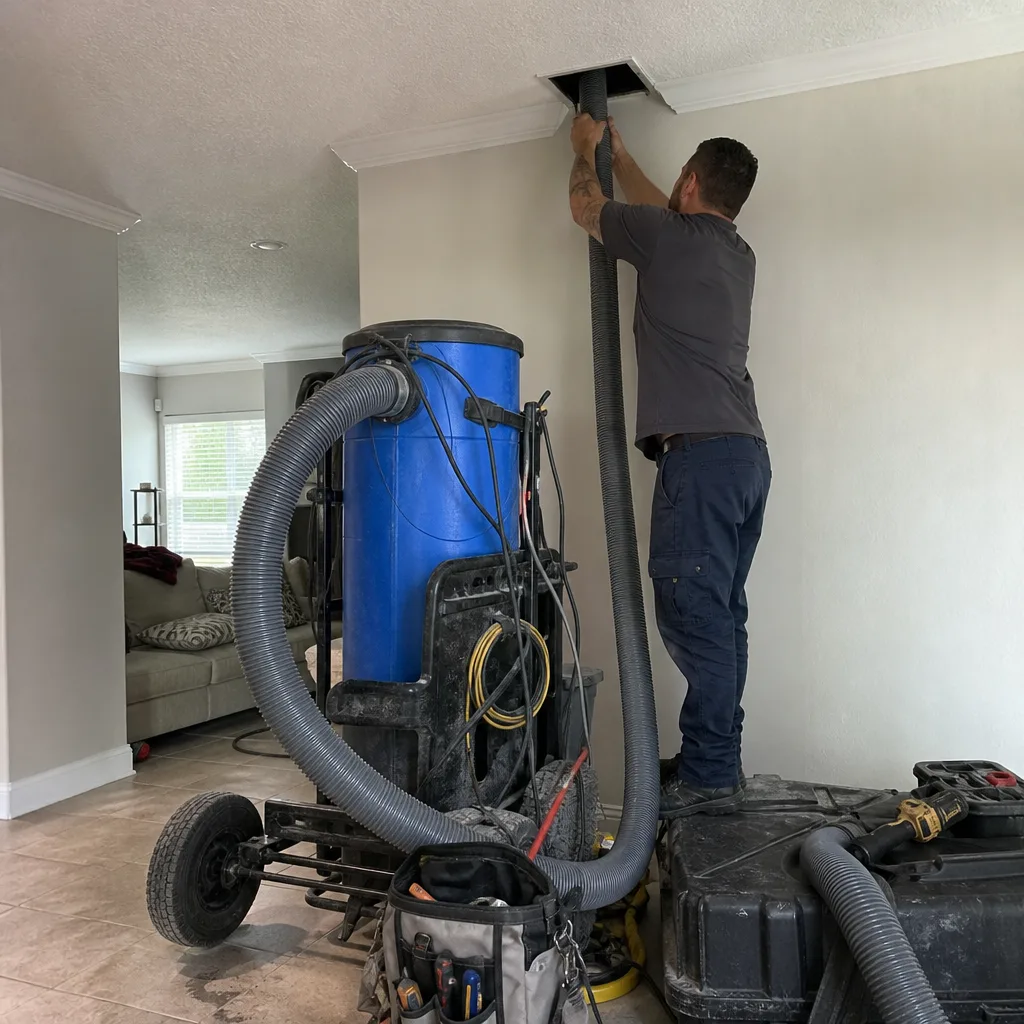 After
AfterReplacement Cost & What’s Included
In Miami, register and grille cleaning runs $75 to $150 for a standard home with 8 to 14 registers, using HEPA-filtered extraction that pulls particulate out rather than blowing it back into the room. If the registers are heavily rusted or the damper assemblies are shot, replacement grilles run $18 to $45 each for standard sizes and $45 to $65 each for larger or specialty units. Labor is included in those per-unit numbers, not added on afterward.
What drives the range: how many registers you have, whether they’re floor, wall, or ceiling mounted, and how accessible the duct boot is. Floor registers in Miami catch more debris and often need the boot vacuumed too. We’ll give you the price in writing before any work starts, and it doesn’t move once our technician is inside. Every cleaning or replacement we do is covered by the 365-Day Done Right Promise: if the register fails or the buildup returns abnormally fast within a year, we come back and make it right at no charge. That’s not a verbal promise; it’s on the paperwork.
DIY or Call Us?
Cleaning a register yourself is one of the safer things you can do around your HVAC system, provided you’re careful. Shut the system off, remove the register (most are held with two screws), and wash it in warm water with a mild degreaser. Let it dry fully before reinstalling. That handles surface grime. What it doesn’t handle is the duct boot behind the register, or the first several feet of duct, which is where most of the particulate that causes repeat buildup lives. Using a household vacuum without a HEPA filter just redistributes fine dust through the exhaust port and back into your home.
Where DIY goes wrong is with the damper assembly. If the blade is seized, forcing it will snap the pivot pins or bend the mechanism, and then you’re buying a replacement anyway. If the register is mounted in a ceiling and your attic access is tight, the risk isn’t worth it. Roy Castellanos has been running crews in Miami for well over a decade, including jobs through Brickell high-rises and older Coral Gables homes, and the thing he tells our team is simple: if you can’t explain the job plainly, you probably shouldn’t be doing it. If you’re not sure what you’re looking at, call (850) 660-3272 and we’ll walk you through it.
FAQs
In Miami’s humidity, expect 10 to 15 years from a quality register before the damper mechanism or frame shows meaningful wear. Coastal properties within a mile of salt air should budget for replacement closer to the 10-year mark. Regular cleaning every 12 to 24 months extends that lifespan by keeping corrosive particulate from sitting against the metal. Call (850) 660-3272 if you want us to assess yours; estimates are free.
Light surface rust can be cleaned and coated, but a seized damper blade or pitted frame is not worth repairing. The metal is thin, pivot points are not serviceable by design, and repair labor would cost more than a new grille. We’ll tell you straight which category yours falls into. If replacement is the answer, we’ll have the price in writing before we touch anything.
A full register and grille cleaning for a typical Miami home takes 45 to 90 minutes depending on the number of registers and whether we’re also cleaning the accessible duct boots. Replacement of one or two registers adds about 15 minutes each. We schedule a window, arrive inside it, and leave the site clean when we’re done.
We stock common aftermarket sizes on the truck and can order OEM Abatement Technologies parts when your system needs them. Standard sizes like 4×10 and 6×12 are usually available same-day. If you need an unusual size, we’ll give you a clear timeline before you commit. Call (850) 660-3272 with your measurements and we’ll check inventory while you’re on the phone.
Written by Roy Castellanos, Owner, Hollis Air Duct Miami at Hollis Air Duct Miami, serving Miami and nearby areas.