
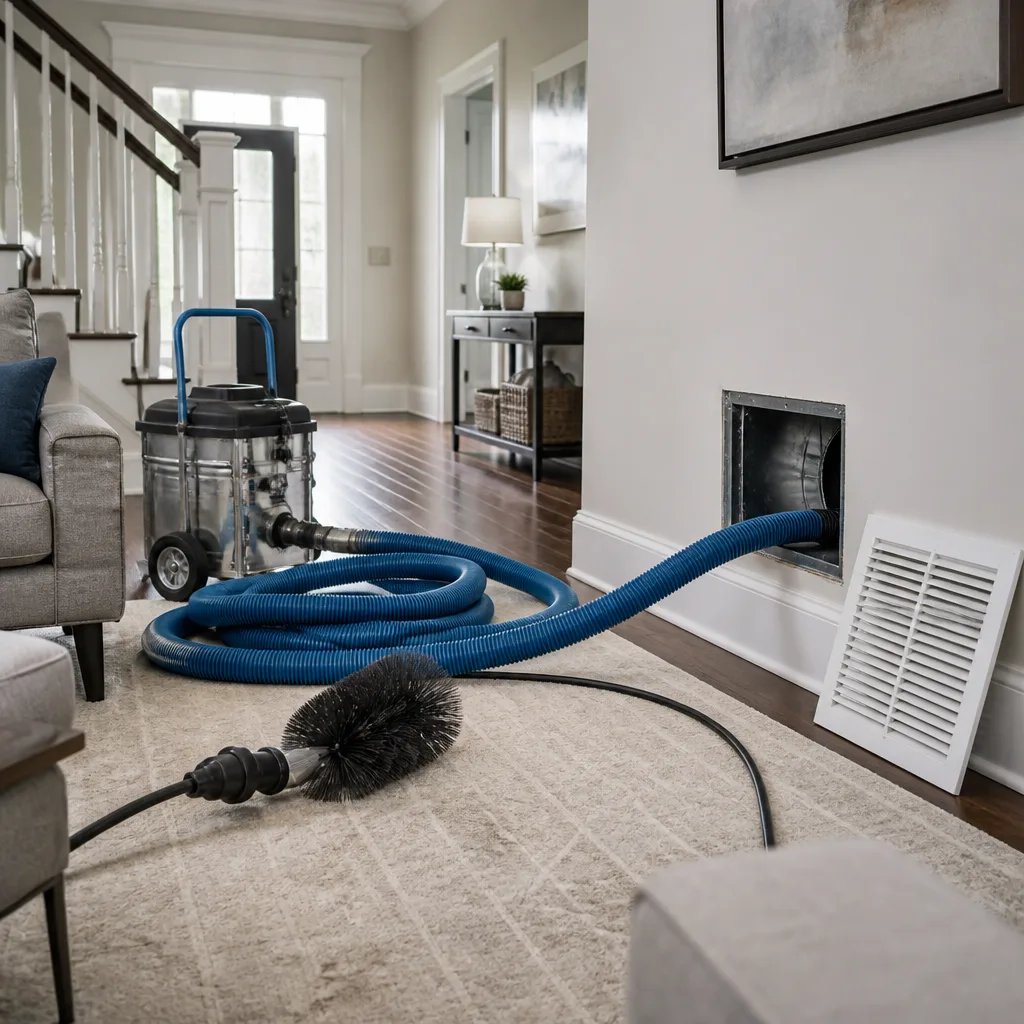
 Whole-home duct cleaning
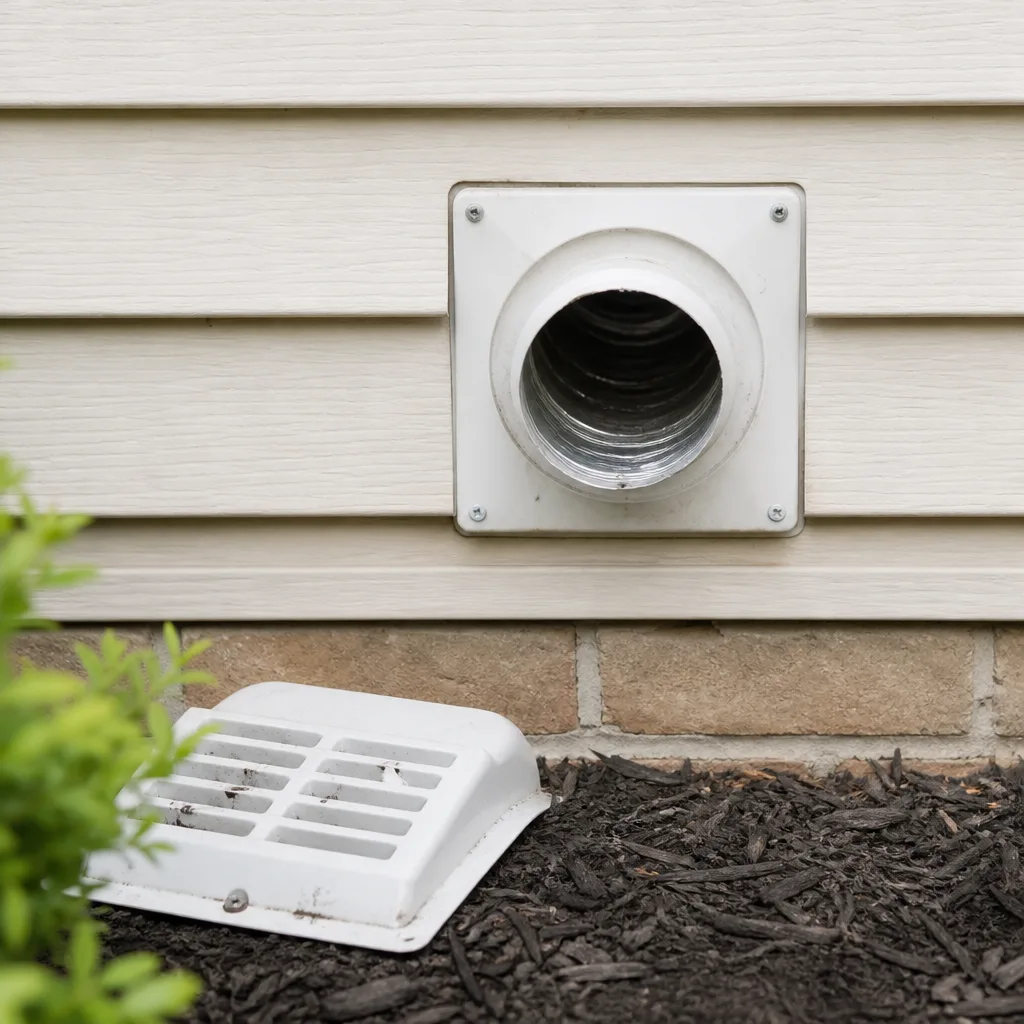 Dryer vent cleaning
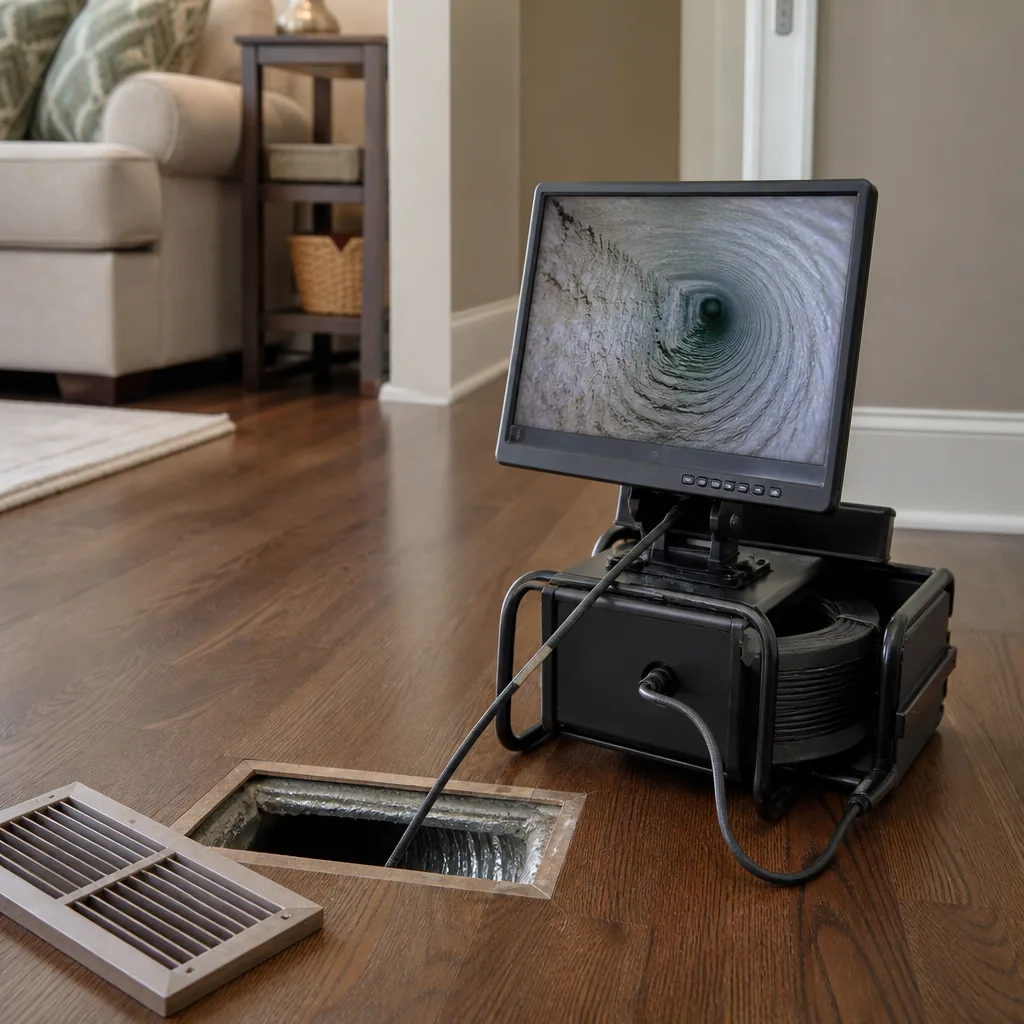 Camera inspection
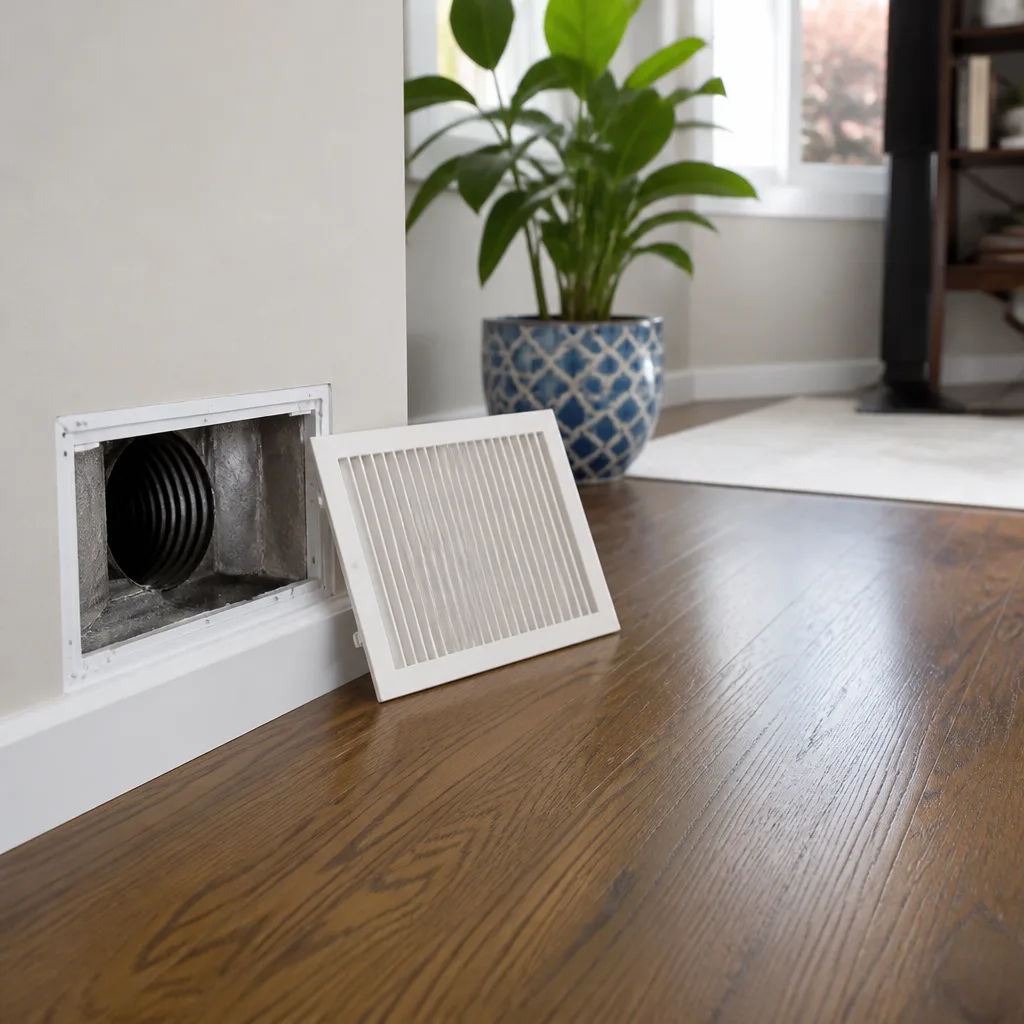 Sanitizing & deodorizing
Whole-system duct and dryer vent check with before-and-after photos - you see exactly what came out of your vents
That "$99 whole-house special" is a bait ad - the real number appears once they are in your hallway, or the "clean" is a shop-vac at the register. We photograph the inside of your ducts before and after instead.
Rotobrush Duct Sealing & Repair: The Miami Owner’s Guide
We stock and install Rotobrush-compatible duct sealing and repair components across the Miami metro, with most repairs completed for between $290 and $680 depending on the part, your system’s configuration, and how much ductwork access is required. The fastest way to match your part is to read us the model and serial number off the machine’s data plate, or send a photo of the failed component before you call. Most Miami owners discover a problem when the machine starts leaving visible debris behind, the brush head stops spinning under load, or the vacuum side loses suction mid-job. If you’re running a Rotobrush system in South Florida and something isn’t pulling, sealing, or spinning the way it did when it was new, we can usually tell you what failed from a two-minute phone description.
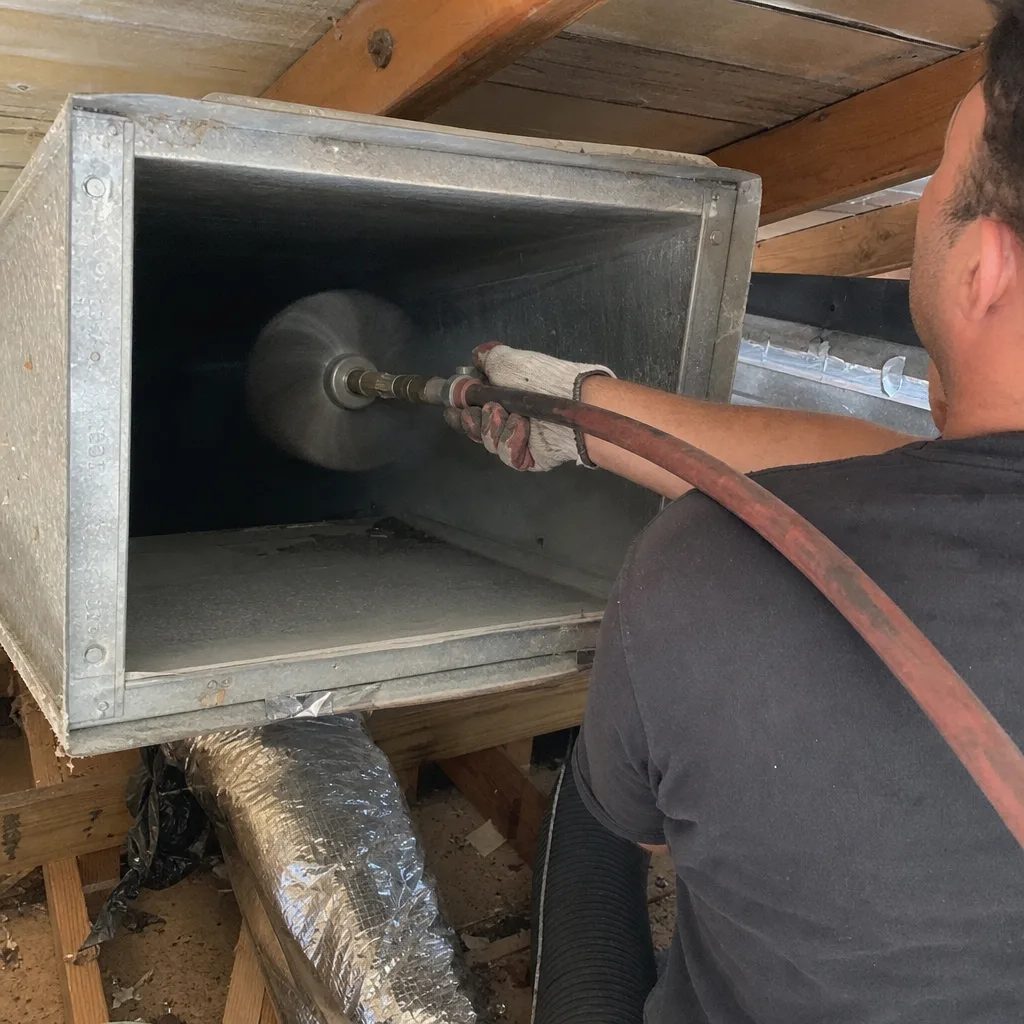
Roy Castellanos has been working on Rotobrush equipment in Miami long enough to know that humidity and fine construction dust kill components faster down here than they do anywhere else he’s worked. Before running crews in South Florida, he learned the trade at Los Angeles Trade-Technical College and spent years on HVAC and duct systems across Southern California. The difference in Miami is the moisture. It gets into bearings, gums up brush heads, and accelerates wear on seals that would last years in a dry climate. That’s not a sales pitch. It’s the reason we keep Rotobrush sealing and repair parts on the truck when so many other shops order them in.
Which Rotobrush Models This Applies To
Rotobrush has produced several generations of duct cleaning machines, and the sealing and repair parts are not universal across all of them. The most common systems we service in Miami homes are the Rotobrush aiR+ and the earlier R5000 and Viper series units. The brush head shafts, vacuum seals, and filter housing gaskets differ by generation, and a part that fits an aiR+ will not necessarily seat correctly in an R5000. Before ordering anything, locate the data plate on the machine body. It lists the model number, serial number, and often the manufacturing date. That plate is the single most useful piece of information you can give us.
For Rotobrush specifically, we recommend OEM sealing components where the part involves the vacuum path or the brush head drive assembly. Rotobrush’s engineering tolerances on those parts are tight, and generic aftermarket seals frequently leak air, which kills suction and leaves debris in the ductwork. For non-critical items like access panel gaskets and external brush accessories, quality aftermarket equivalents can work fine. The honest answer is that the right choice depends on which part failed and where it sits in the machine’s airflow path. If you’re not sure, ask us. We’ll tell you straight whether aftermarket is fine or whether you should stay with Rotobrush OEM.
One compatibility gotcha that trips up Miami owners regularly: Rotobrush changed the brush head shaft diameter between the R5000 and aiR+ generations. A shaft that looks identical in photos can be off by a few thousandths, and forcing it will damage the motor coupling. We’ve seen that mistake turn a $120 repair into a $500 motor replacement. Another thing to know: if your machine came from another region and you’re bringing it to South Florida, the original seals may have been sized for drier conditions. We stock the sealing components that hold up better in high-humidity environments. None of this matters if the model number doesn’t match, so get that data plate first.
Styles & brands we work with
Signs Your Rotobrush Duct Sealing & Repair Is Failing
- Loss of suction mid-job. This is the most common symptom in Miami, and it usually points to a failed vacuum seal or a cracked filter housing gasket. The machine will sound mostly normal, but debris stops entering the collection bag because air is leaking somewhere it shouldn’t.
- Debris left behind in the ducts. When the sealing components start to fail, the pressure differential drops, and the brush kicks loose particles further down the duct instead of pulling them back. You’ll notice dust or insulation bits near registers right after running the machine.
- Brush head stutters or stops under load. If the brush spins fine in open air but bogs down when it hits resistance, the drive coupling or shaft seal is worn. Running it this way puts strain on the motor, and in South Florida’s heat, that motor will fail faster than you think.
- Visible wear or cracking on gaskets and seals. Pull the access panel and inspect the rubber or foam gaskets. In Miami’s humidity, these degrade faster than the rest of the machine. If you see cracks, flattening, or sticky residue, the seal is done even if the machine still runs.
- Unusual vibration or rattle from the brush assembly. A worn shaft seal lets the brush head oscillate slightly, which you’ll feel as a vibration through the hose or wand. Left unfixed, the wobble damages bearings and eventually the motor mount.
See the difference
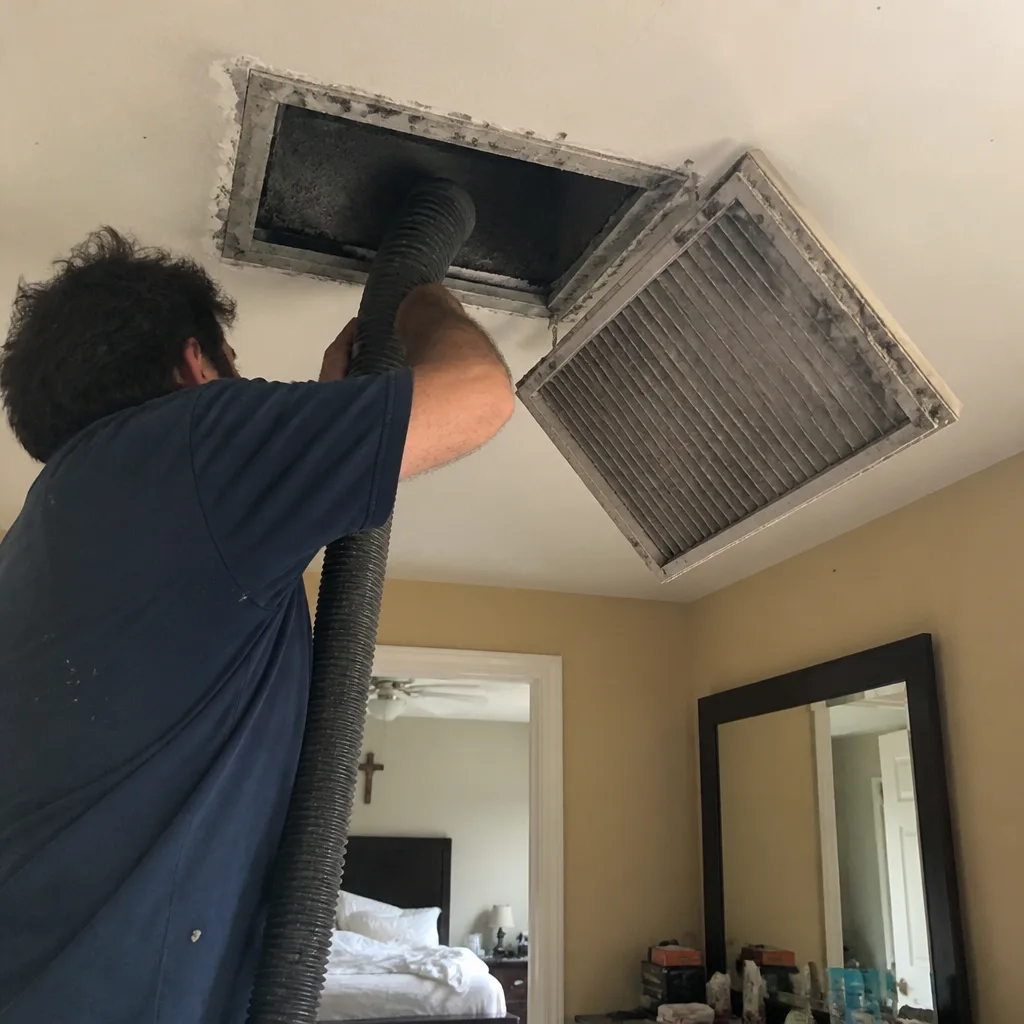 Before
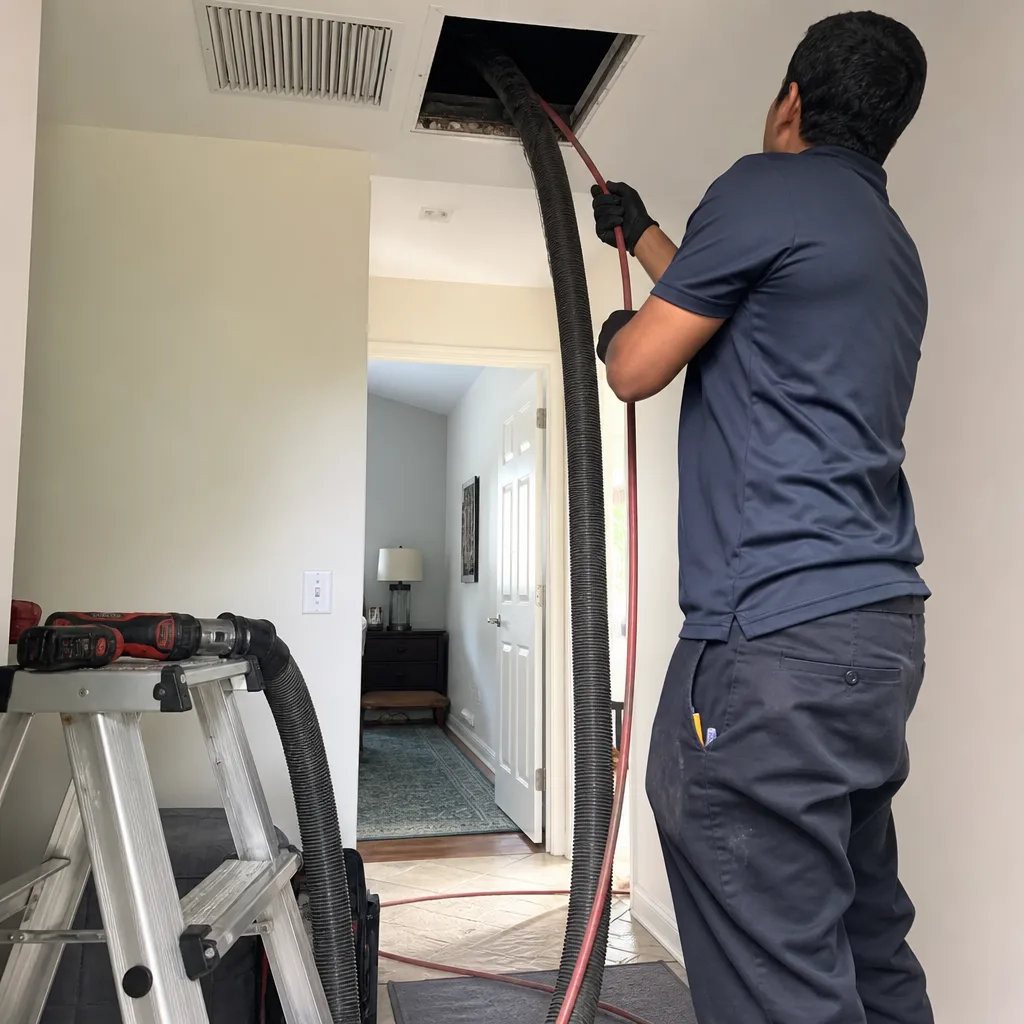 After
After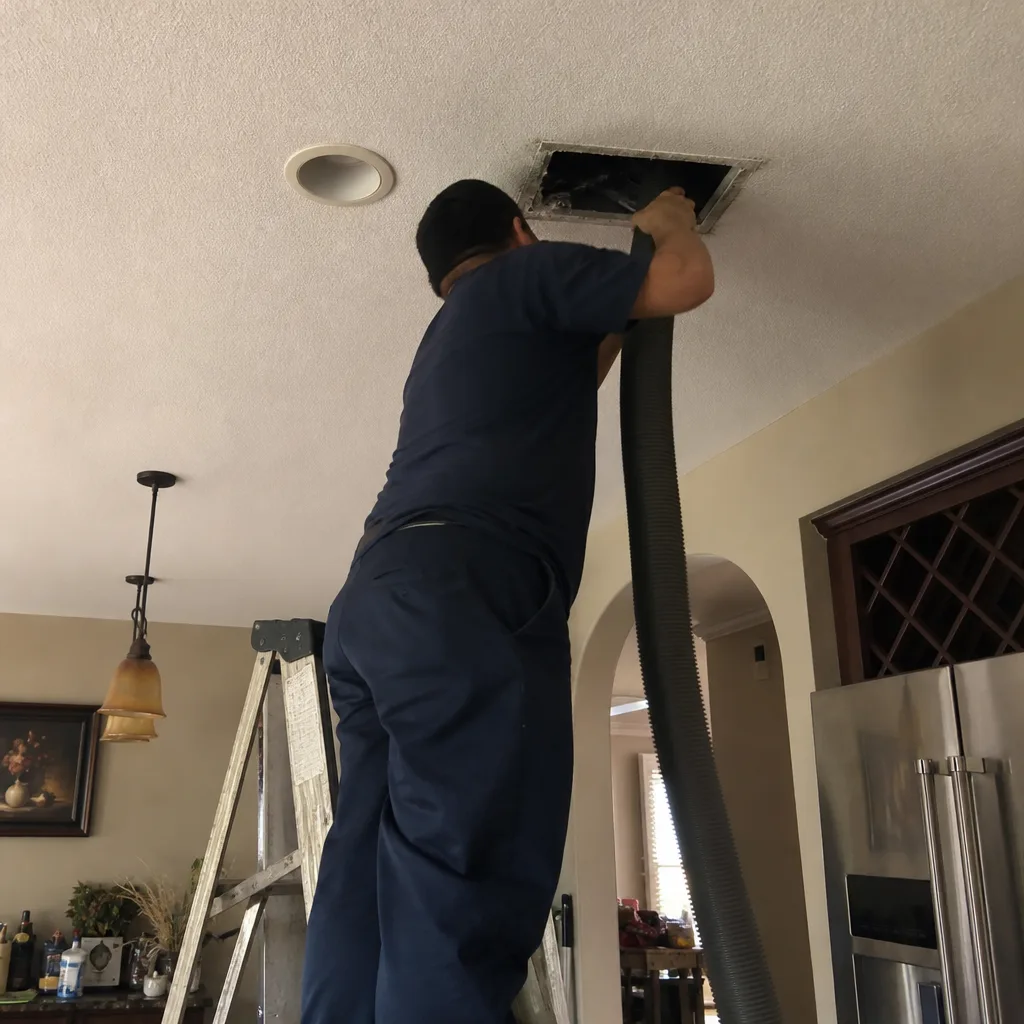 Before
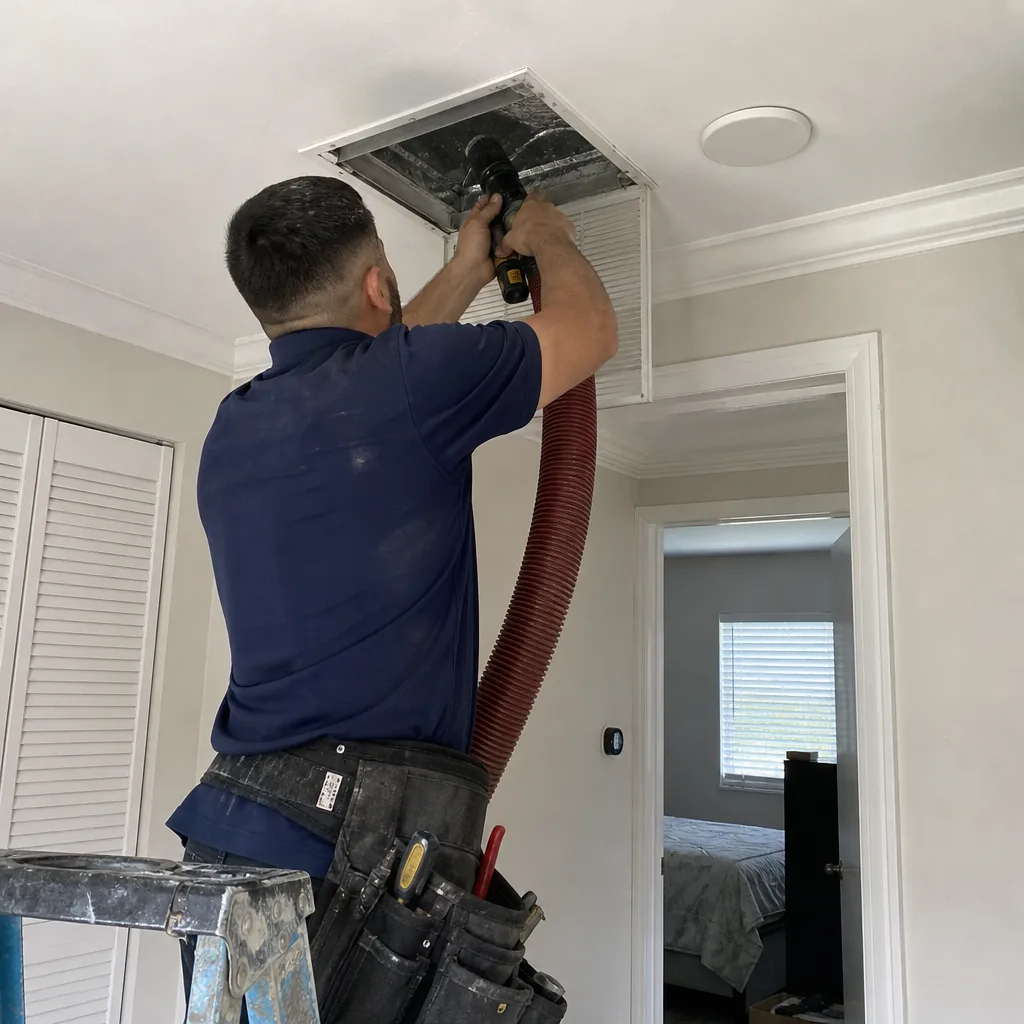 After
After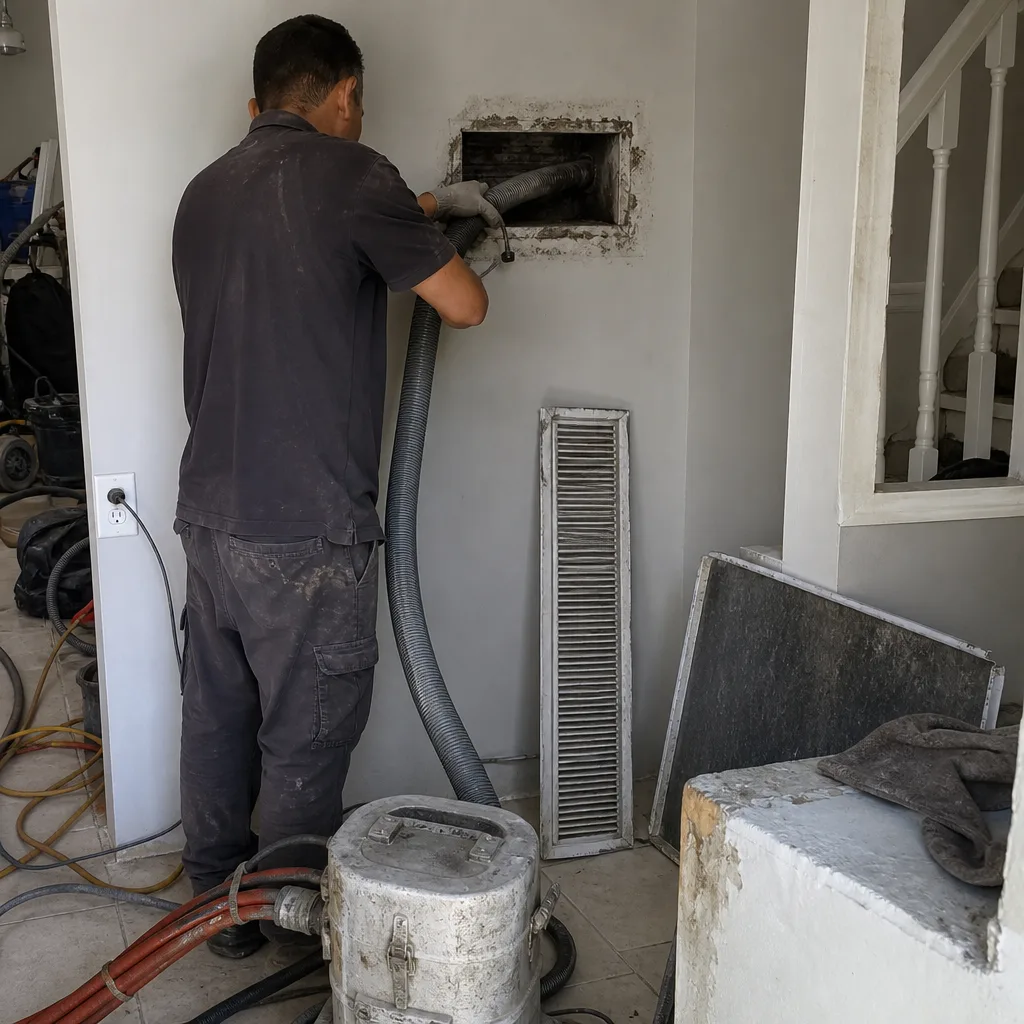 Before
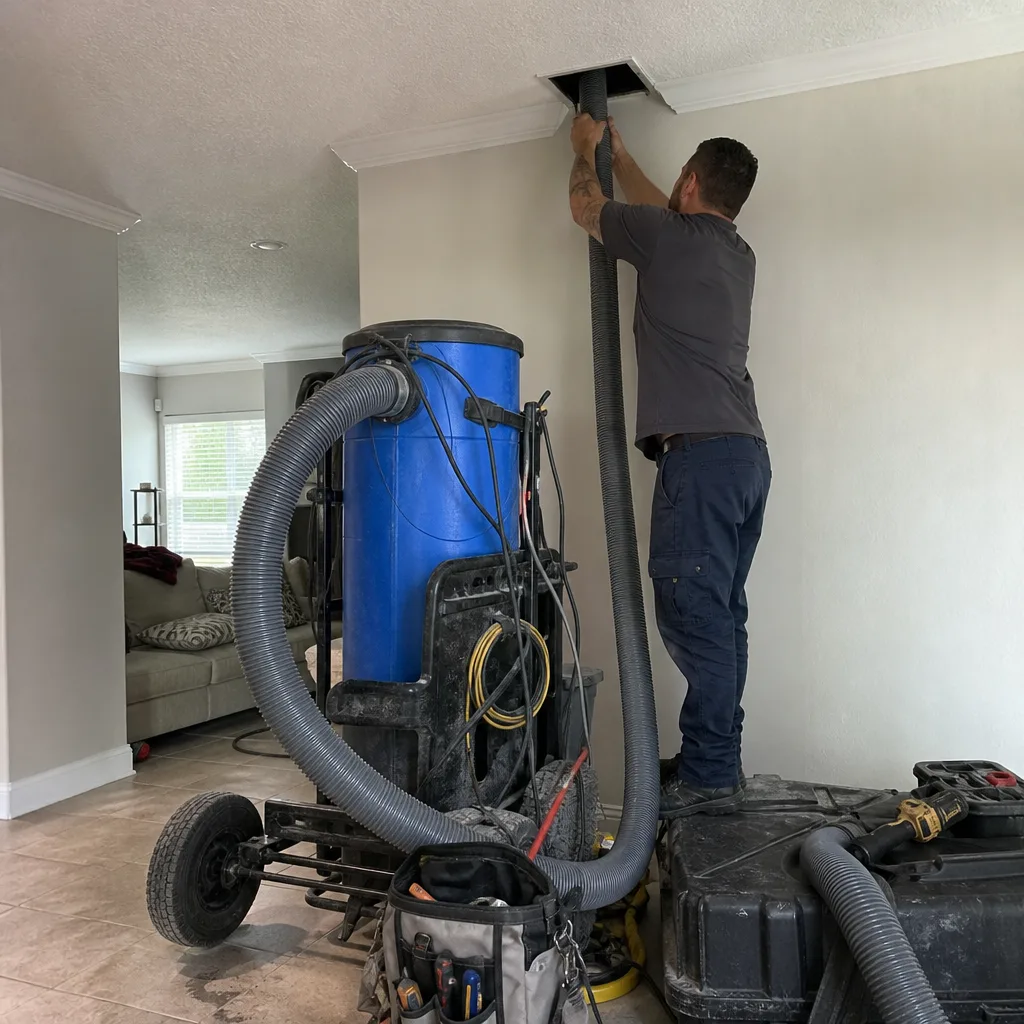 After
AfterReplacement Cost & What’s Included
In Miami, most Rotobrush sealing and repair jobs run between $290 and $680 installed. That range covers the common failures: filter housing gaskets on the lower end, brush head shaft seals and drive couplings in the middle, and vacuum path repairs with multiple sealing components on the higher end. The price you’ll pay depends on three things: which part failed, whether it’s one component or several wearing together, and how much of the machine has to come apart to reach it. Sealing failures alone are usually a single-visit fix. If a failing seal has been ignored and the brush drive took damage, the bill climbs accordingly.
Every quote we give on Rotobrush repair work is written down before we start. You’ll know the parts cost and the labor cost as separate line items, and that number does not change at the door. The work is covered by the 365-Day Done Right Promise. If the same part fails within a year, we come back and make it right at no charge, including the return visit. That’s in writing on every job ticket, not something we say to make you feel better. Roy’s policy on this is simple: if we can’t explain the job plainly, we probably shouldn’t be doing it. The same standard applies to the repair itself. It works or we come back. No fine print.
DIY or Call Us?
There are a couple of things you can safely check yourself when a Rotobrush machine starts acting up. Pull the access panel and look for obvious cracks, flattening, or debris buildup on the gaskets. Check that the filter is seated correctly and the collection bag isn’t blocking the exhaust. Those are visual inspections, and they take five minutes. What you should not attempt is disassembling the brush head drive assembly, replacing shaft seals, or opening the vacuum housing without knowing the torque specs on reassembly. These machines run brush heads at high RPM under load. A seal installed wrong creates an air leak; a coupling installed wrong can fail catastrophically while the machine is running, and you do not want to be holding it when that happens.
If the visual check doesn’t locate the problem, call us at (850) 660-3272. Roy or one of our background-checked technicians will ask you for the model and serial number off the data plate, walk you through what you’re seeing, and give you a straight read on whether it’s worth repairing or whether you’re better off booking a service visit. We don’t charge for that conversation, and we won’t pressure you into a visit you don’t need. In Miami, we’ve usually seen the failure before, and we’ll tell you what it is before we ever put a tool on it.
FAQs
In Miami’s humidity, expect sealing components to last 2 to 4 years with regular use, which is a shorter interval than you’d get in a drier climate. Commercial operators running daily may replace seals annually. Homeowners using their Rotobrush a few times a year should expect to address sealing wear every 3 to 4 years. We also stock sealing and repair components for Lennox, Trane, and Carrier duct systems when the work involves equipment outside the Rotobrush lineup. If your machine is older and you’ve never replaced a seal, plan for it before it fails mid-job. Call (850) 660-3272 and we’ll tell you what to look for on your specific model.
No. Seals and gaskets are wear items, and once they’ve cracked or compressed beyond tolerance, no amount of adhesive or re-seating will restore them. We never patch a rotary brush system seal because a failed patch is worse than the original failure, it introduces debris into the machine and the ductwork. Replacement is the only correct fix, and it’s usually the cheaper option than nursing a failing part along until it damages something else. Call (850) 660-3272 for an exact quote on your model.
Most Rotobrush sealing repairs are done the same day, typically within 1 to 2 hours once the machine is on the bench. If the damage extends to the brush drive or vacuum motor mount, expect the job to stretch to half a day and possibly require a second visit if a specialized component has to be ordered. We’ll tell you before we start whether we have the part in hand or whether we’re ordering it. Estimates are free, and the written price covers parts, labor, and the 365-Day Done Right Promise.
We keep the most common Rotobrush sealing components and brush head drive parts stocked and ready on the truck, including the parts that fail most often in South Florida’s humidity. Less common components may require ordering from Rotobrush’s distribution network, which typically adds 2 to 4 business days. When you call, have your model and serial number ready, and we’ll tell you in one call whether it’s a same-day fix or a scheduled one. Reach us at (850) 660-3272.
Written by Roy Castellanos, Owner, Hollis Air Duct Miami at Hollis Air Duct Miami, serving Miami and nearby areas.